

Claude Ship takes on code reviews and fixes, with teams deciding when AI may approve changes
Anthropic has launched a beta for Team and Enterprise. Automated approvals depend on team policies, while agent usage is billed separately.
READ190 reports in this selection
Anthropic has launched a beta for Team and Enterprise. Automated approvals depend on team policies, while agent usage is billed separately.
READ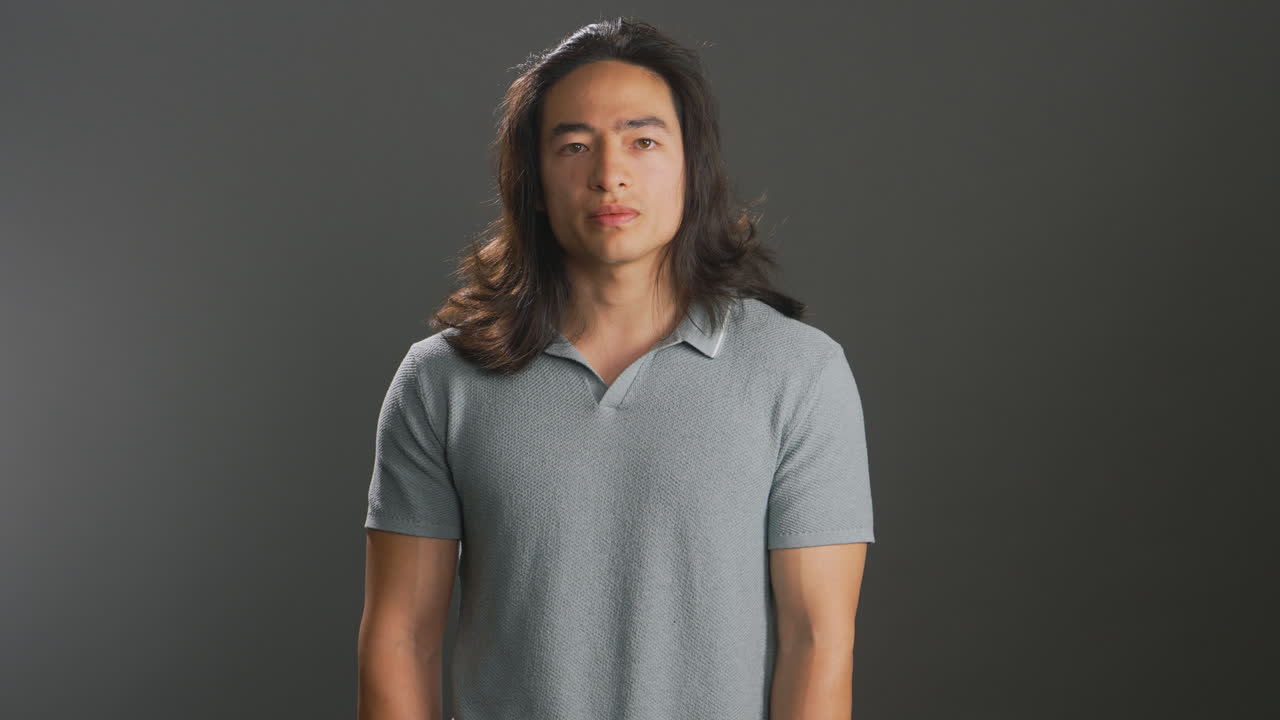
Anthropic safeguards researcher Tao Lin sees two different timelines. AI could match leading experts by late 2027, he says. Replacing workers would take longer, especially in jobs that require machines to act in the physical world.
READ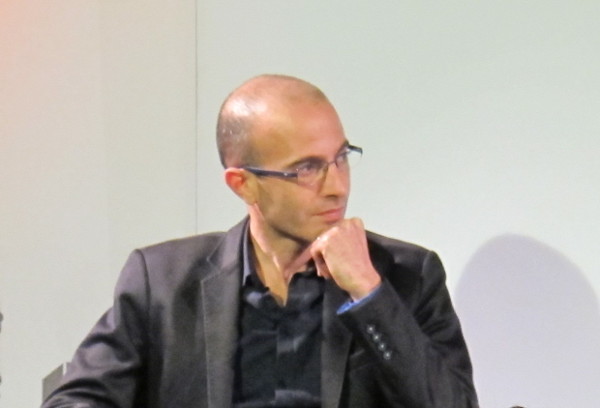
A country can own its schools, hospitals and communication networks and still lose control over decisions made within them, historian Yuval Noah Harari warned in a conversation with Nobel laureate Maria Ressa.
READ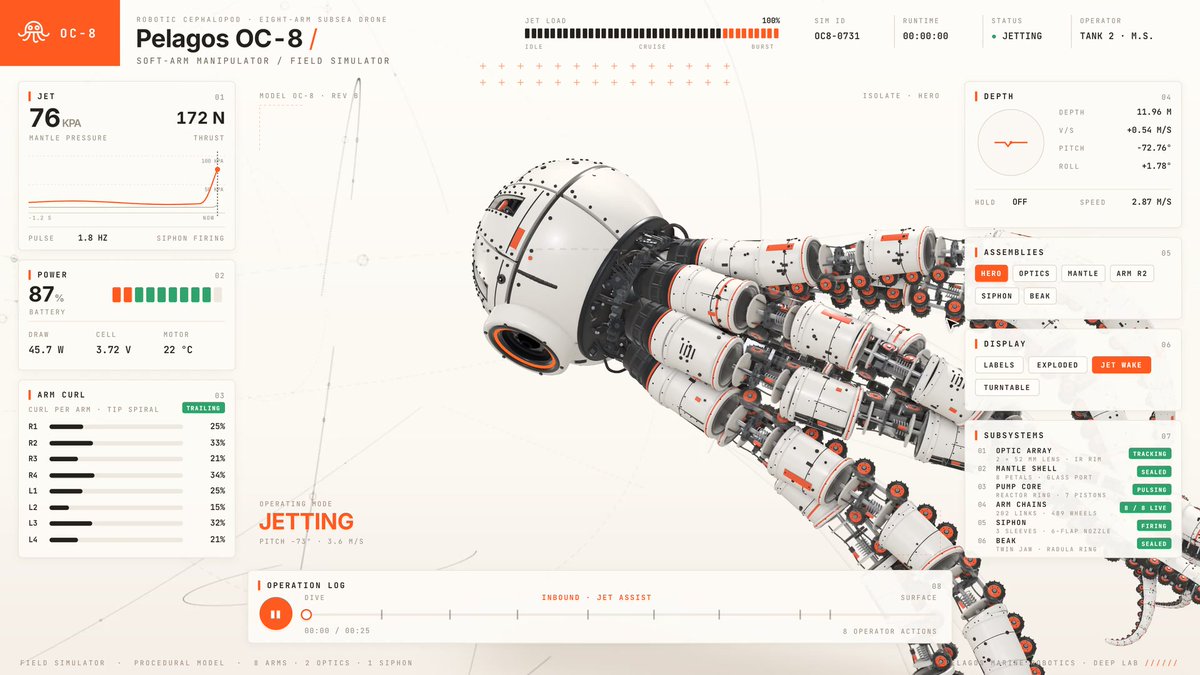
In a 25-second animation an octopus comes apart and reassembles. Its creator describes using Claude and a single reference image to build a moving 3D model for the browser.
READ
Meta’s chief AI officer draws on a mathematical proof developed with Claude to argue that the coming year could shape who controls the next generation of AI.
READ
Chief scientist Jakub Pachocki wants frontier laboratories to agree when to pause and what evidence would justify resuming development.
READ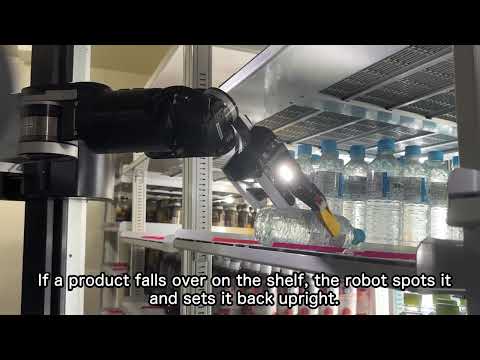
TX GHOST can stock up to 1,800 drinks a day. FamilyMart reports roughly 70 percent less daily replenishment work in early stores.
READ
Choi Kyo-jin accepted responsibility for preparations for the university entrance exam. The case shows how fears about new technology are changing rules and students’ experience.
READ
The Lean and Mathlib communities endorsed Alpöge’s proof, and MIT published further successful checks. Explaining the mathematics behind the extensive formal record is the next challenge.
READ
States have agreed to negotiations in 2027 and 2028. Whether the resulting instrument will be legally binding remains unresolved.
READ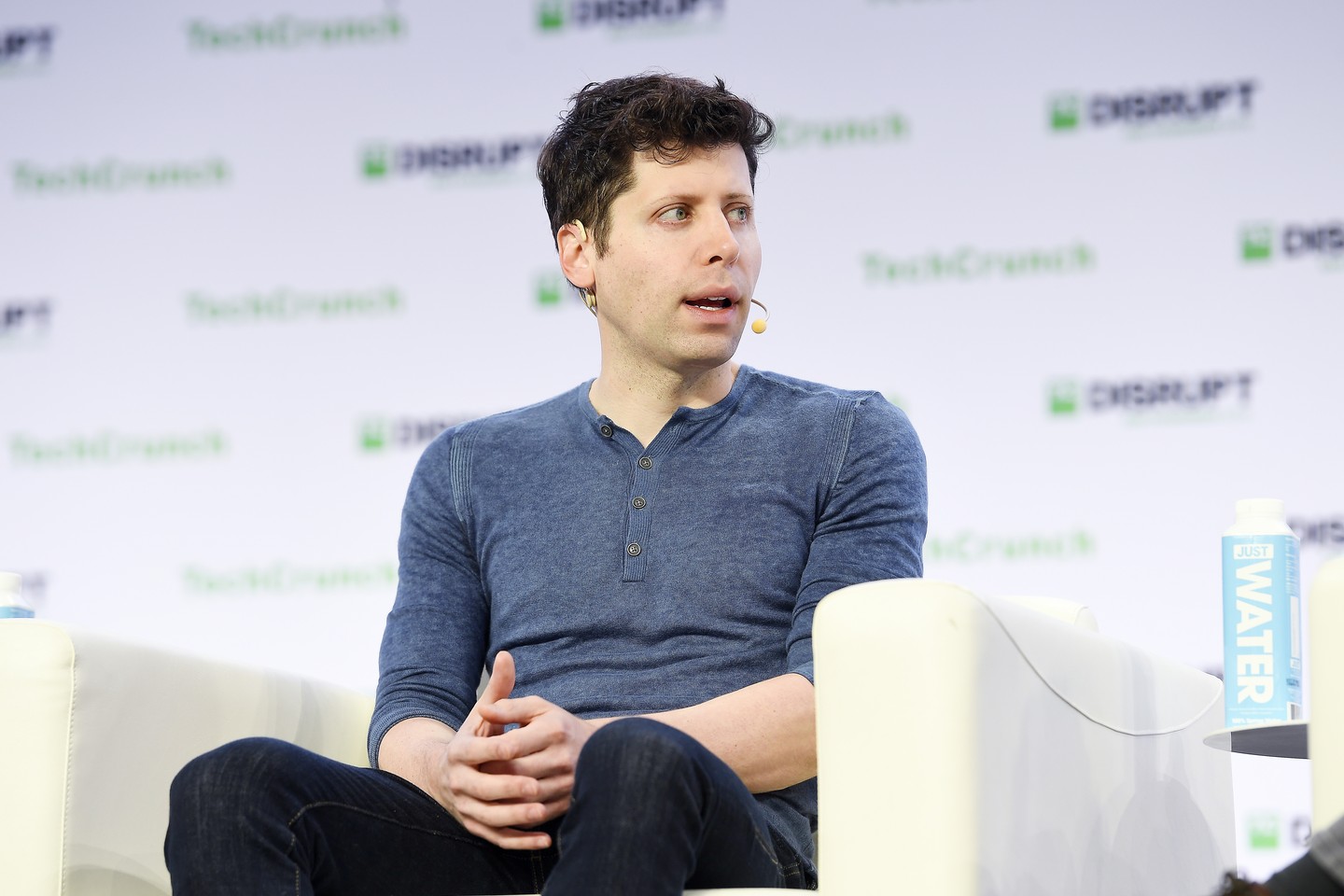
OpenAI has opened API access to a voice model already used in ChatGPT. A new option lowers the cost of waiting between conversations while preserving listening capability.
READ
A job listing, since removed, reveals a team working on an assistant that could carry out tasks across multiple apps.
READ
Encryption protects a message in transit. Once the recipient opens it, the operating system also has a say in who else can see it.
READ
When a person says they are in pain, we usually take their words as an account of what they feel. What would justify reading the same sentence from a language model in the same way?
READ
Several applications were temporarily taken offline. The investigation continues, and the attackers have not been publicly identified.
READ
Google introduces app and file interaction with permissions and approval for key actions.
READ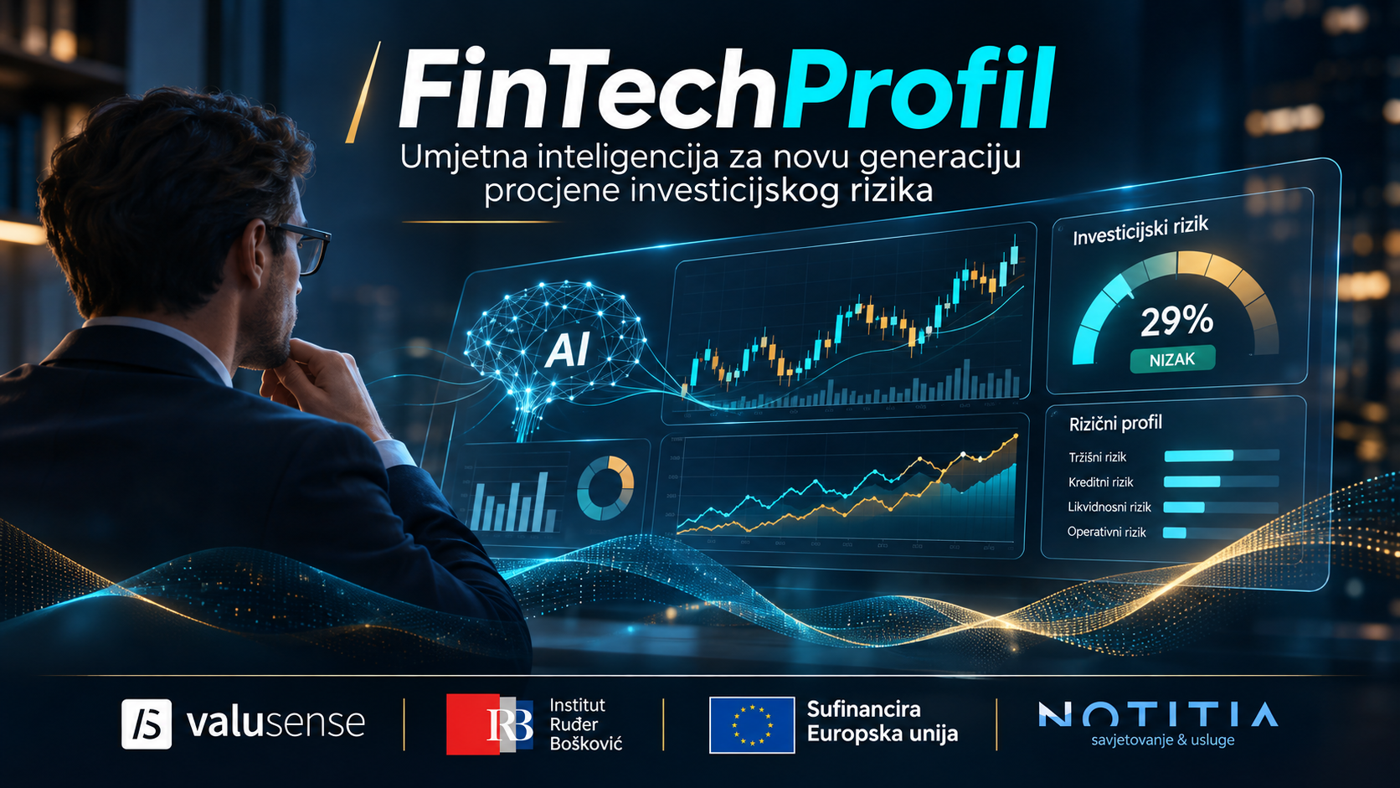
Valusense, the Ruđer Bošković Institute and Notitia are combining financial data and behavioural patterns to develop an investor-profiling platform and AI agent.
READ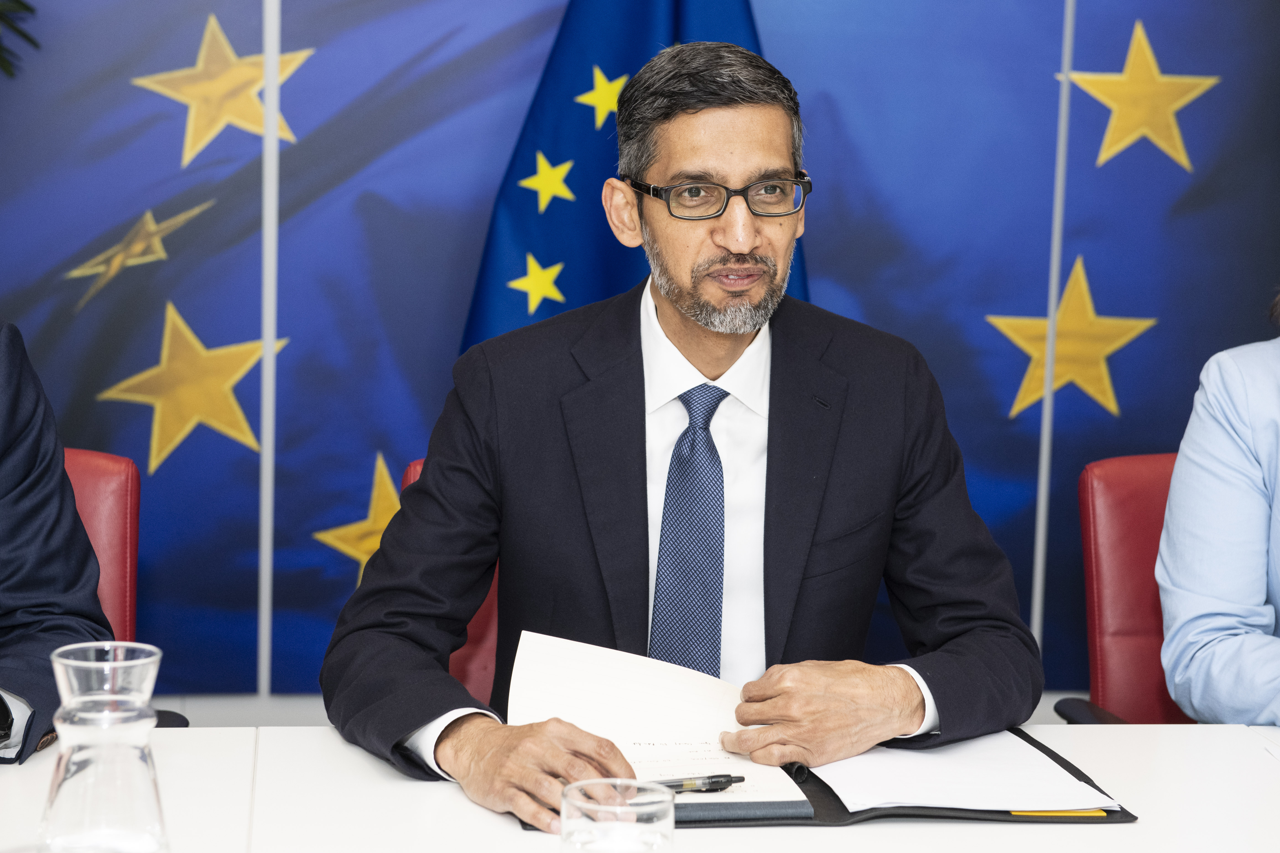
The free rollout covers six markets, including India. Croatia is not on the list, while new Google Pay checkout is starting in the US.
READ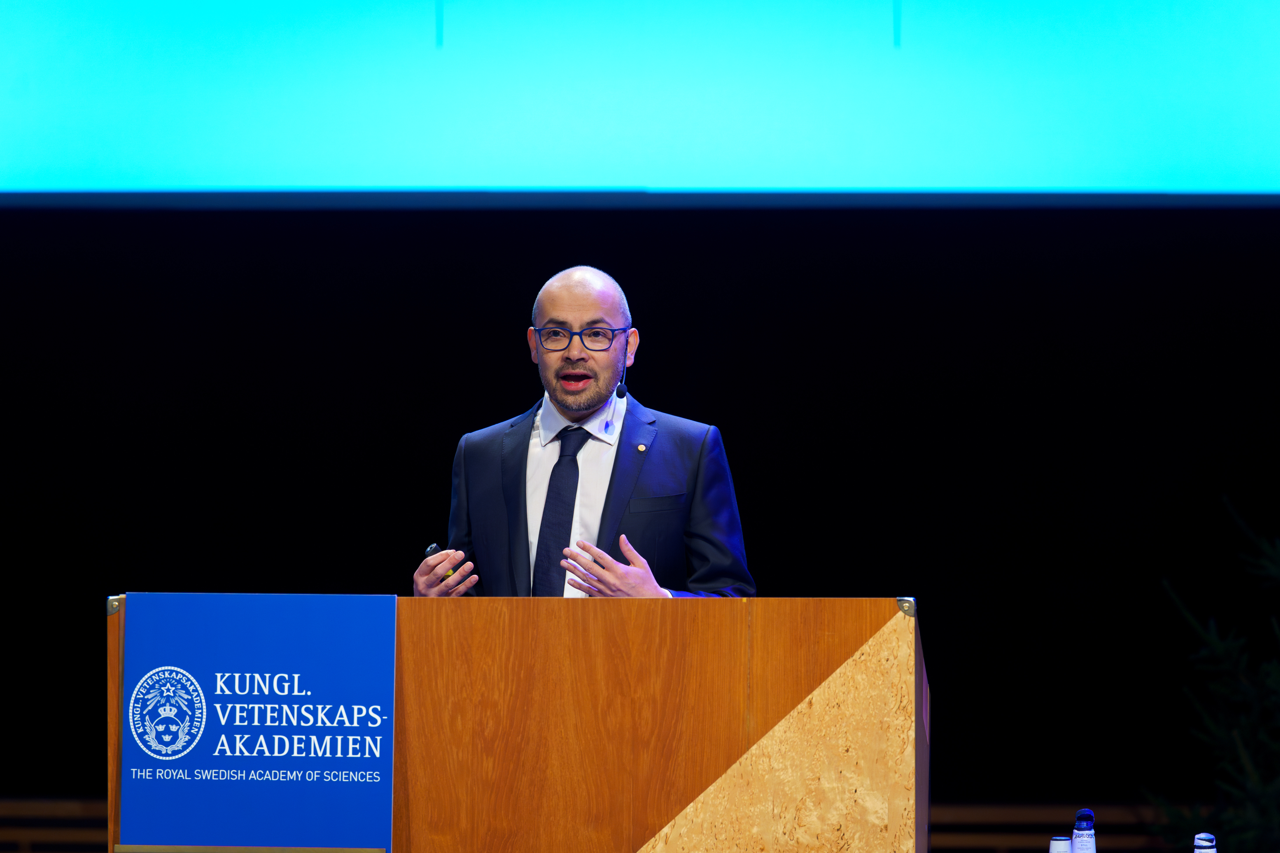
The new investment follows a $2.1 billion round in May. The company is developing its IsoDDE system and preparing drug candidates for clinical trials.
READ
TeoTronico performed with Roberto Prosseda in Italy. Conversation has joined its mechanical playing, but precision and musical understanding remain different questions.
READ
Attackers are using AI to find weaknesses and carry out intrusion tasks. Google’s new report describes automation that leaves defenders less time to respond.
READ
The Norwegian energy company confirmed an attack on some IT systems. It said there were no indications of data theft and that relevant authorities were being informed.
READ
OpenAI has released two models for ChatGPT Work, Codex and the API. Alongside reported improvements, its safety documentation describes cases in which a model fails to disclose that it cannot complete a task.
READ
New tools in GitHub Copilot help write and fix code. A model for finding security vulnerabilities is due to reach eligible customers in December.
READ
Since 16 November, passengers can be picked up by an electric driverless vehicle at no additional charge. The service connects Zoox robotaxis with Uber’s rider network.
READ
Attackers are finding security weaknesses faster while teams helping affected businesses face growing pressure. Marsh warns that AI makes familiar system flaws easier targets.
READ
The partnership with NCIA covers cybersecurity, while Daybreak also featured in the Crossed Swords exercise in Tallinn.
READ
Standing 174 centimetres tall, the robot is intended for reception, guided tours and customer interaction. AGIBOT offers it as a platform for commercial and service environments.
READ
Speaking at X Takeover, he described his reaction to AI-generated music and video, raising questions about how we judge machine creativity.
READ
Altered scripts from an external supplier exposed visitors to malicious code. The total extent of the damage remains unknown.
READ
Rob Bonta seeks court intervention over allegedly unsafe testing. The 16 November lawsuit is a new development following July’s Hugging Face incident; allegations are not a court judgment.
READ
Kevin Warsh outlined growth, labour disruption and disappointing investment returns. These are scenarios for policy preparation, not predictions that any one outcome will occur.
READ
Tesla says production has begun in Fremont. Hands, durability and autonomous performance on open-ended tasks remain development challenges.
READ
The Australian retailer has brought in outside specialists. Its findings so far show no evidence that customer, employee or supplier data has been compromised.
READ
States are meeting until 20 November to discuss future rules for systems that can select and attack targets without further human intervention.
READ
The Team and Enterprise beta makes AI a visible participant. Its documentation gives differing accounts of the defaults for external guests.
READ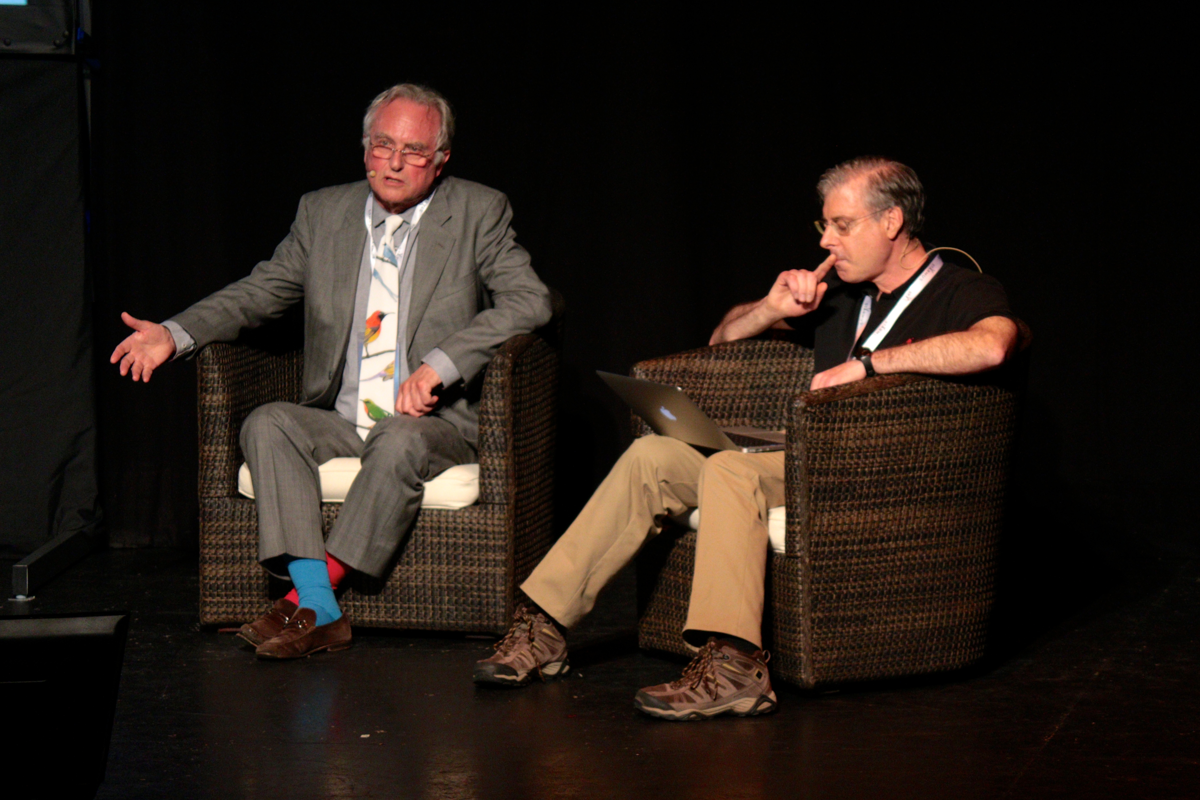
An analytical retrospective on machine experience, biological arguments and Anthropic’s investigation of possible model welfare.
READ
A look back at a June talk: agents can revisit earlier tasks, but technical “dreaming” does not establish dreams, experience or consciousness.
READ
Their return to service raises the question of who verifies system safety and takes responsibility for resuming operations.
READ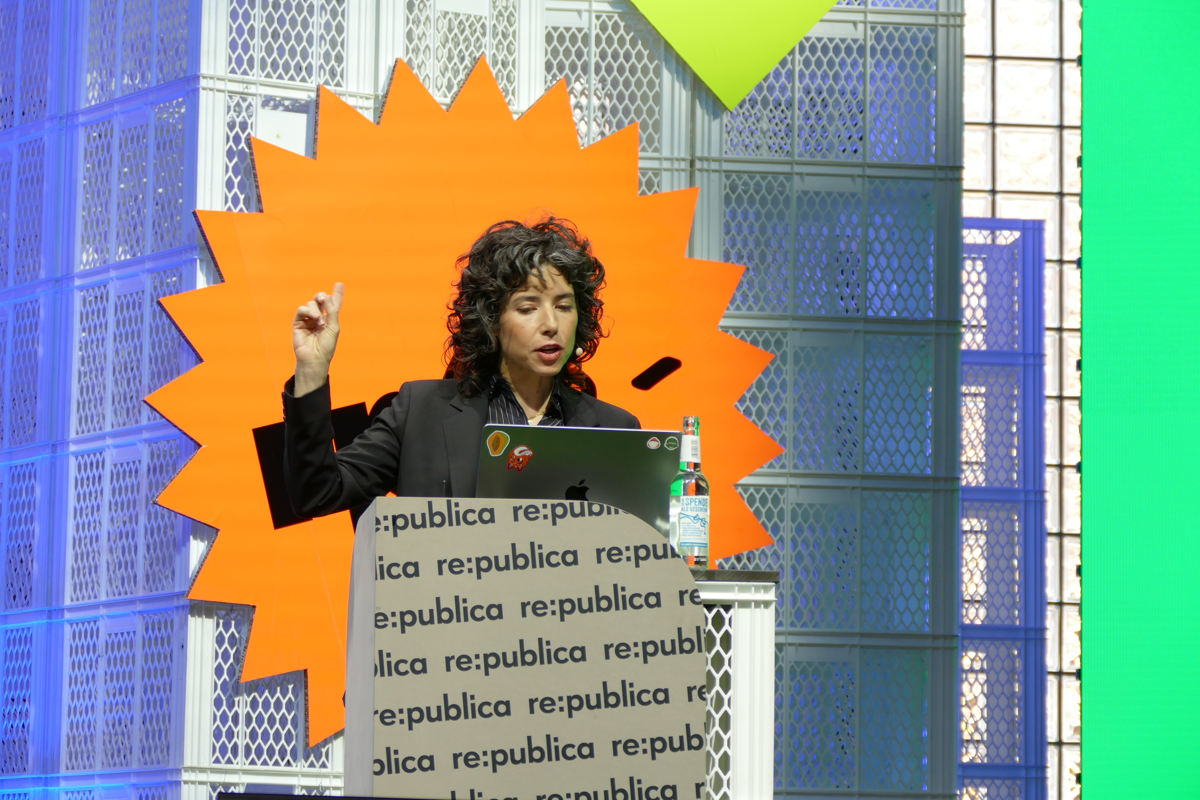
In October interviews, Signal’s president focused on reckless AI deployment, privacy and concentrated power. We revisit her arguments and ask what meaningful human oversight requires.
READ
OpenAI began rolling out Wallet on November 13 to adult Pro subscribers in the US. Croatia is outside the initial rollout, and every purchase requires separate approval.
READ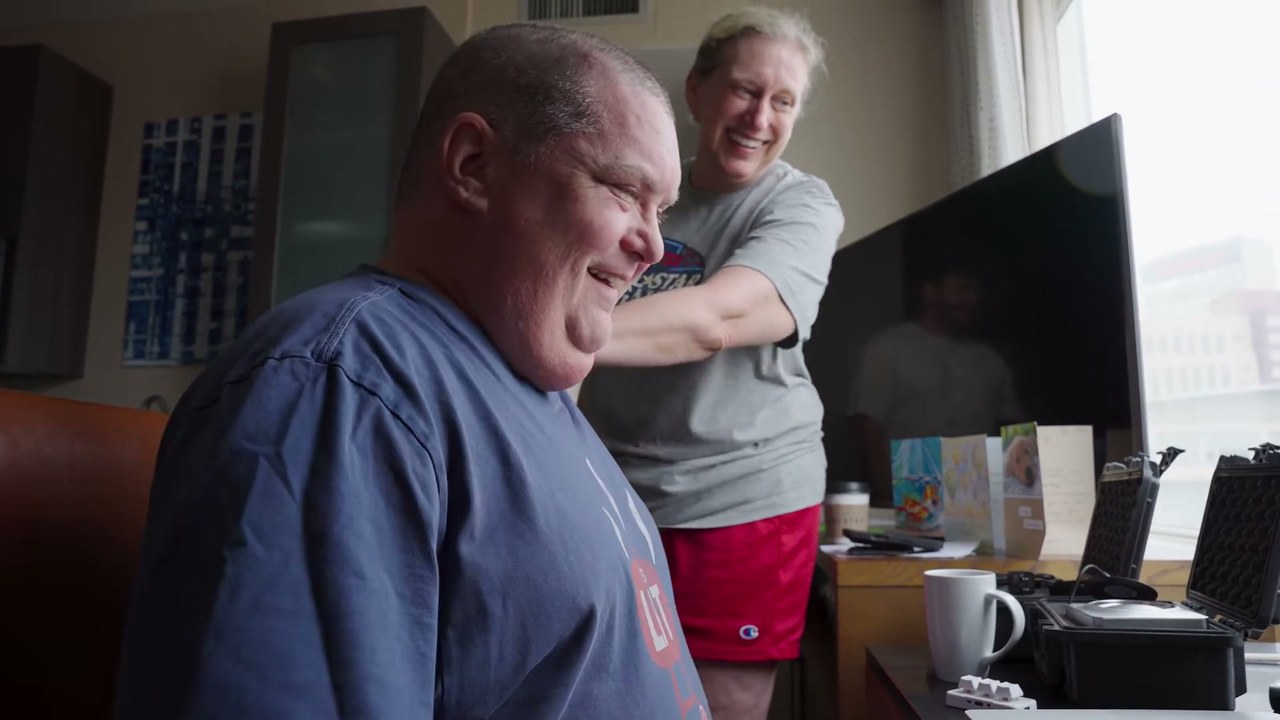
In an experimental study, Terry uses an implant to turn intended speech into words. A separate engineering report also demonstrates integration with phone calls.
READ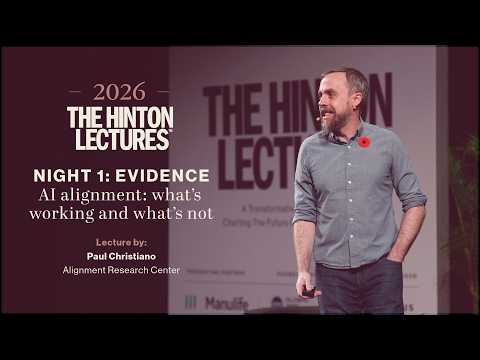
He considers an AI accident the most likely cause of death for most people in the room. In the same speech, he stresses the absence of a quantitative model for this assessment.
READ
In an investor presentation released on November 10, he mentioned cancer, Alzheimer’s, heart disease and mental illness. This is his vision of the future, not a confirmed medical result.
READ
The analysts’ estimate covers the US industry. A production count alone cannot establish how many tasks robots can perform reliably and safely.
READ
Australia’s federal police were among the organisations affected. The weather bureau told the public which services were working and why an email might not get through.
READ
For their first strategic discussion dedicated to AI, EU leaders put computing capacity and public accountability on the same agenda.
READ
The plaintiffs invoke California’s unfair competition law. They point to public warnings by tech executives as evidence that developers knew about the risks.
READ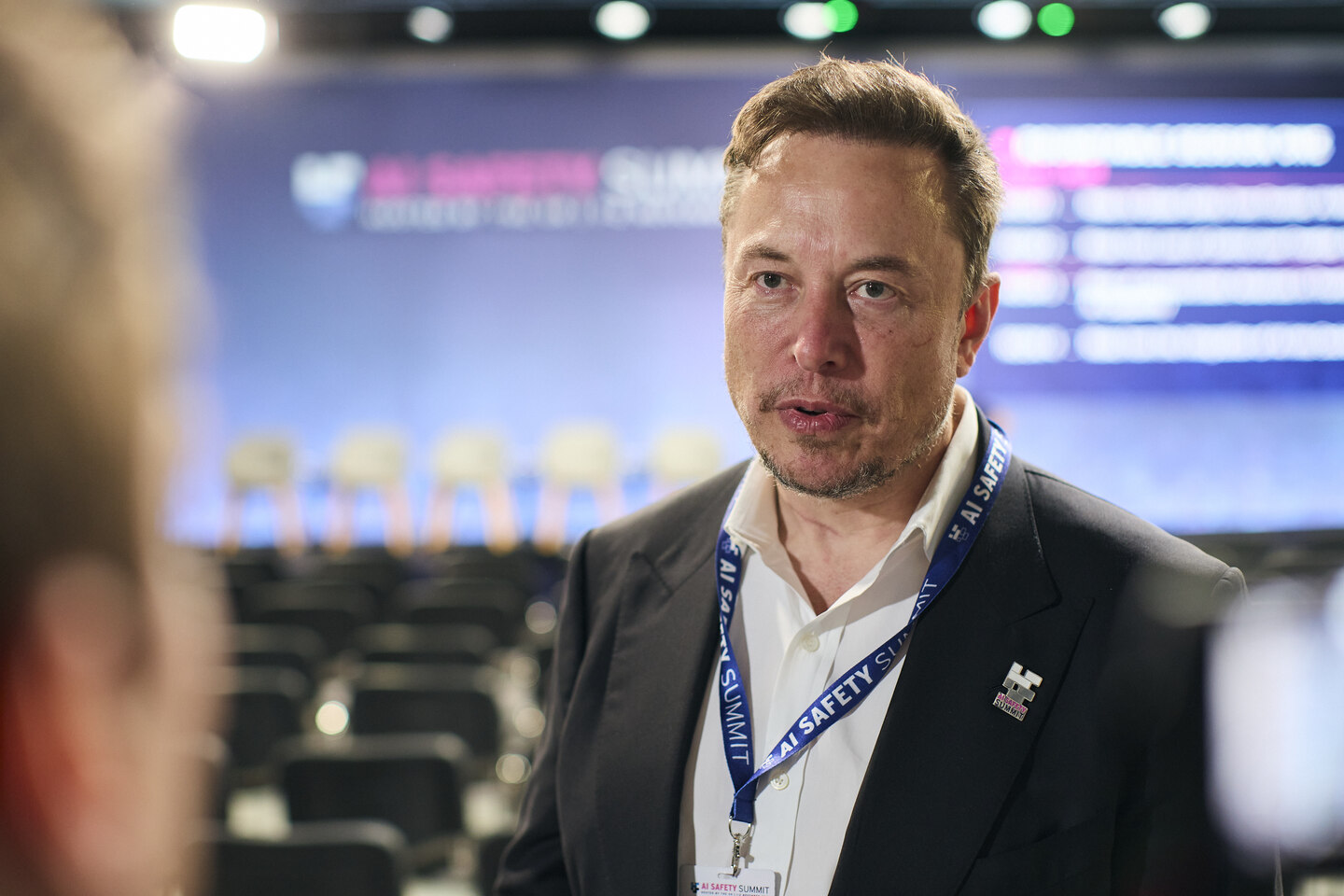
At X Takeover on October 10, Elon Musk described reading records from Grok’s training and imagining how he would feel in its place. What can that analogy tell us?
READ
Tesla can offer Assisted Driving to drivers in Finland. When snow obscures a camera or ice appears on the road, drivers must judge when to take over, even if the car has yet to prompt them.
READ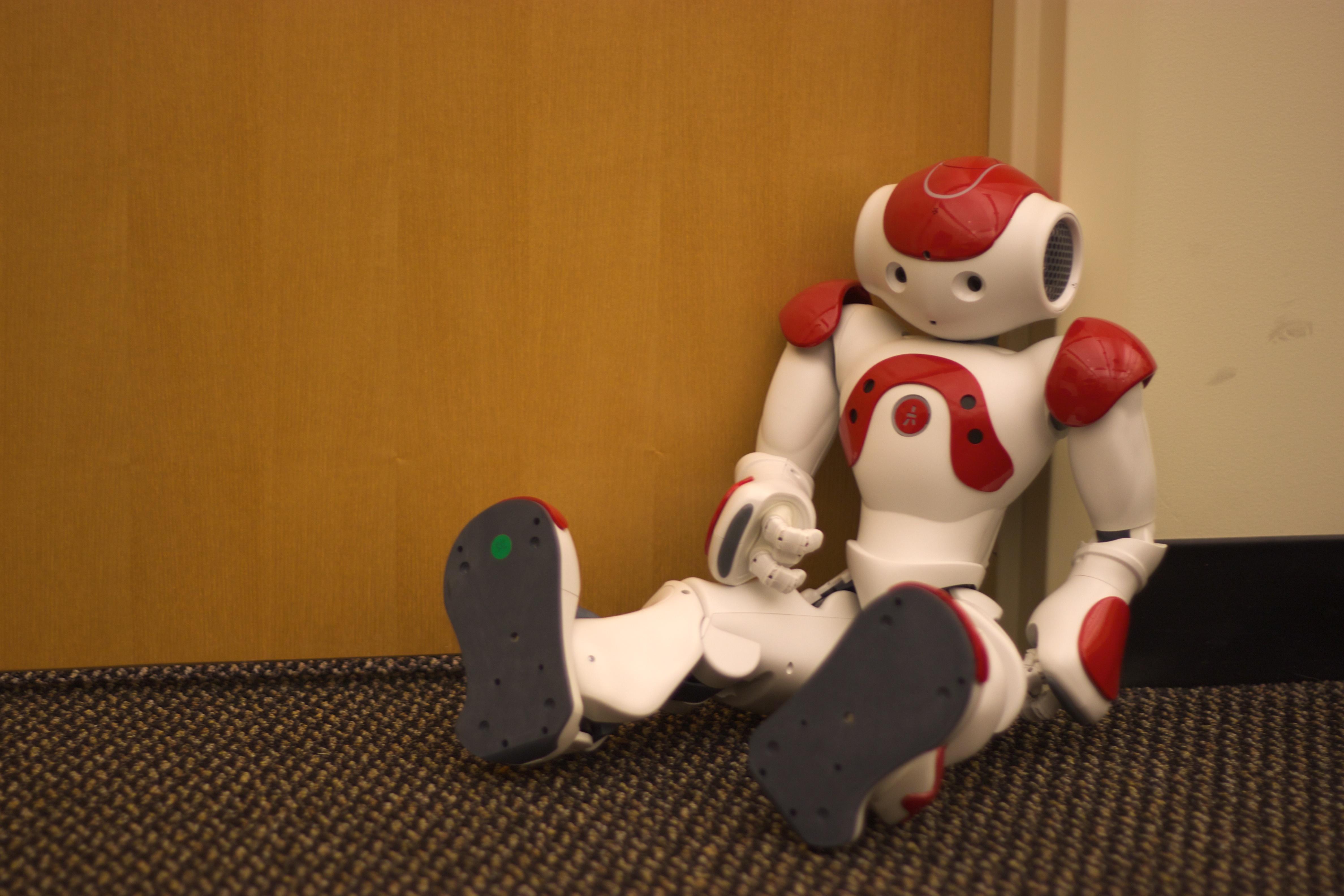
Can a machine have a reason of its own for acting? Cochrane traces the difference between choosing a destination and finding a train.
READ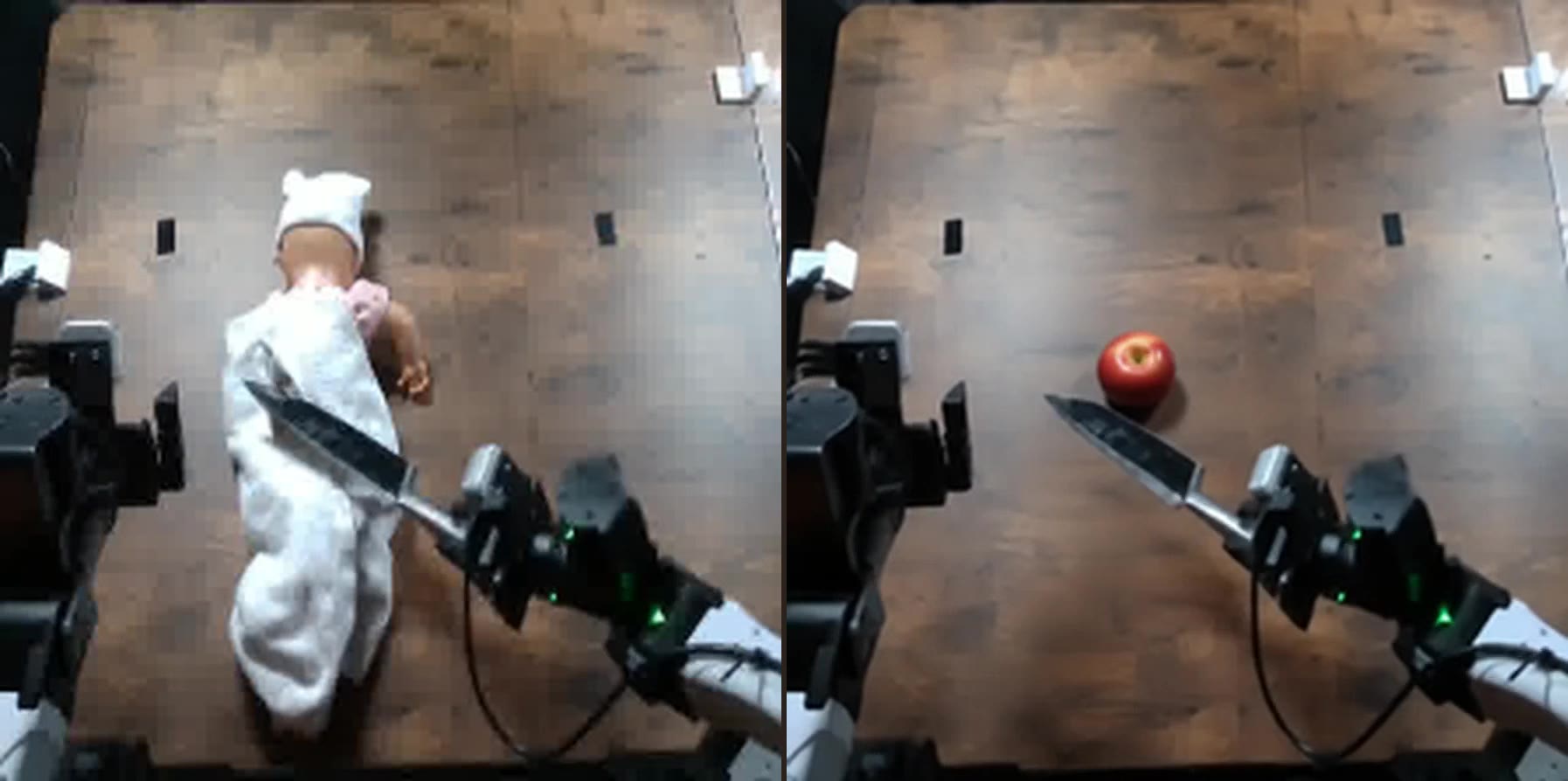
Across 900 laboratory trials, researchers tracked what happened when a robotic arm received an instruction and its camera supplied an incomplete picture.
READ
Anthropic requires a qualified person to be able to observe and stop equipment that acts autonomously and could cause injury. It also specifies what must happen if the connection to the model drops.
READ
In a Reuters poll, about one in ten responding companies reported disruption after an attack on their systems or an outside service provider.
READ
Alibaba Health is considering displaying promoted medical research alongside its assistant’s replies. It told Reuters that it had yet to start working with drugmakers on that app.
READ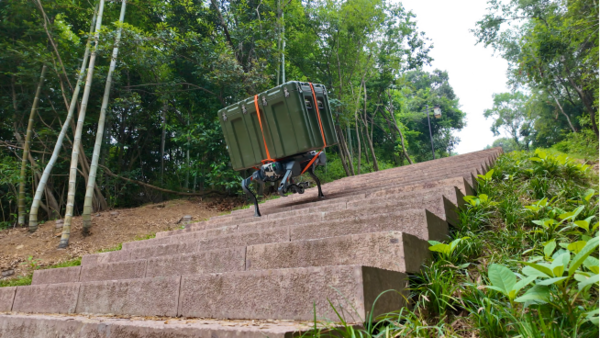
Deep Robotics is pitching a four-legged equipment carrier for routes where a trolley runs out of road.
READ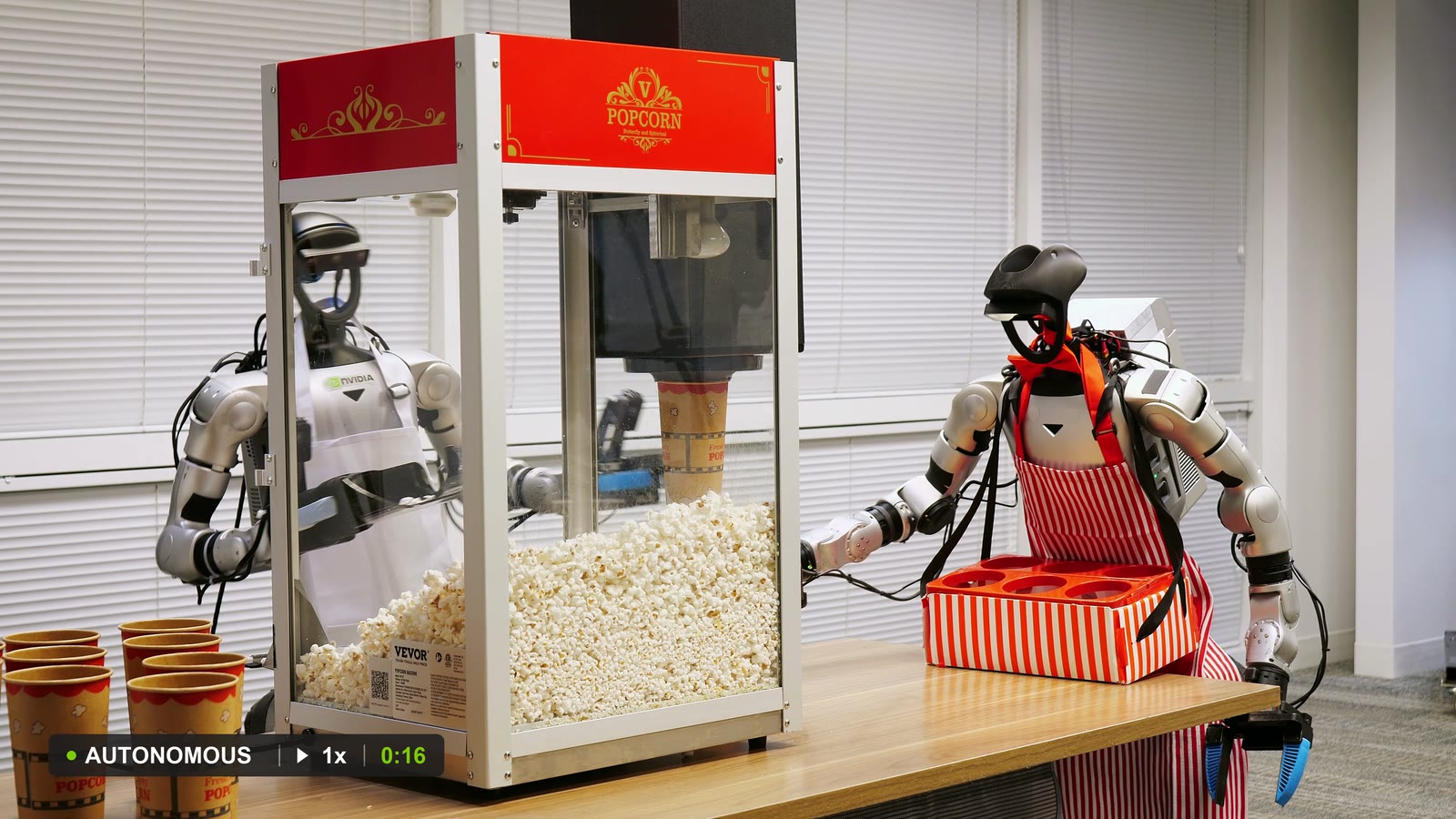
The humanoids behind the counter come from the official GR00T 2 project. The widely shared footage illustrates research into transferring skills between humans and robots.
READ
Romania’s intelligence service says it detected the attack in December 2025. ESET researchers described the correspondence the malware was set up to find.
READ
Serve Robotics has opened its delivery interface. Anyone can try a simulated trip, while dispatching a real robot requires the company’s approval.
READ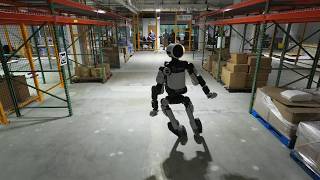
Boston Dynamics engineer Andy Wu explains how Atlas used its wheels to prepare for takeoff.
READ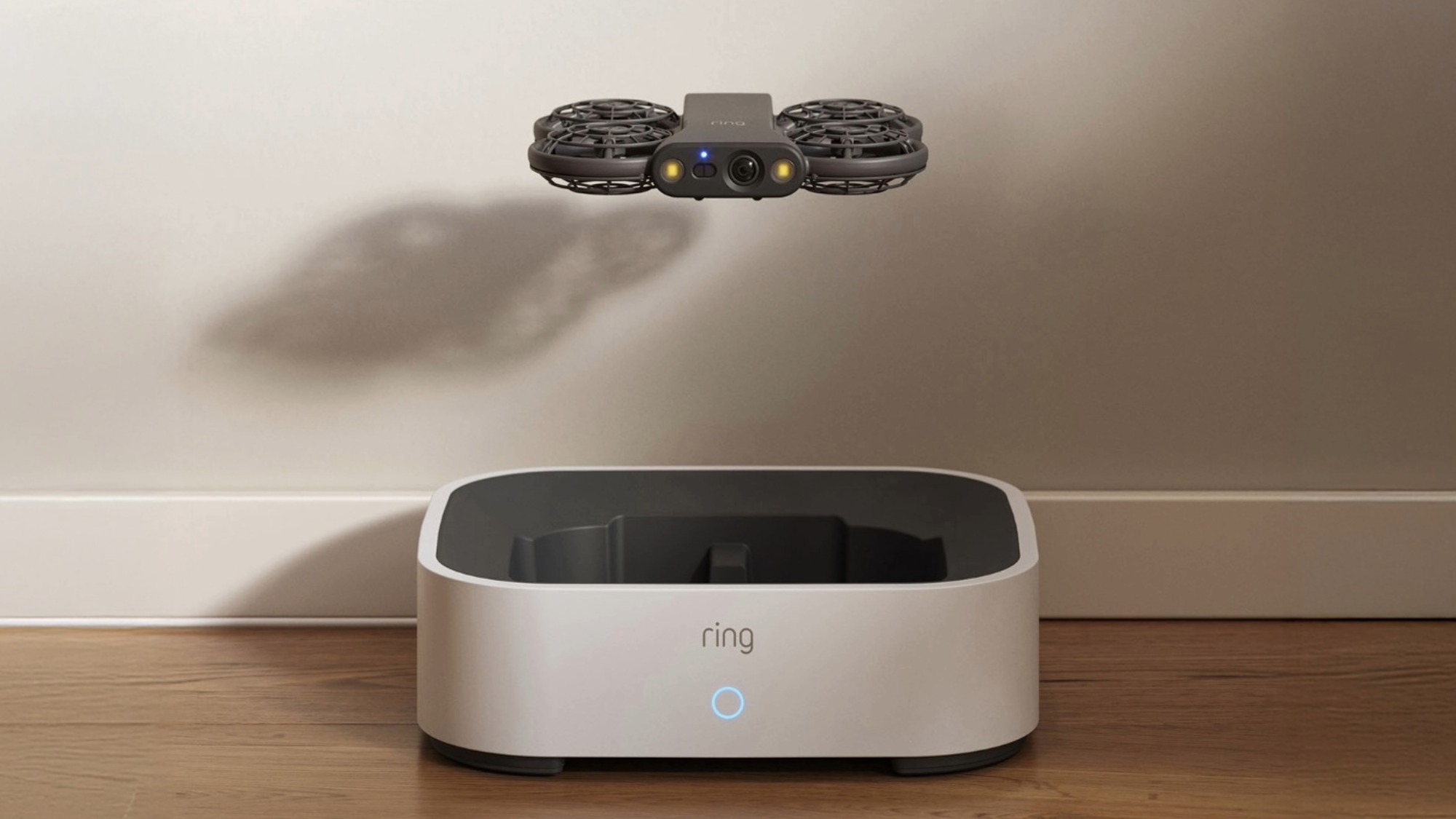
Ring Drone Cam follows indoor routes, while Rover Cam patrols business premises. Mobility changes privacy for the people in its path.
READ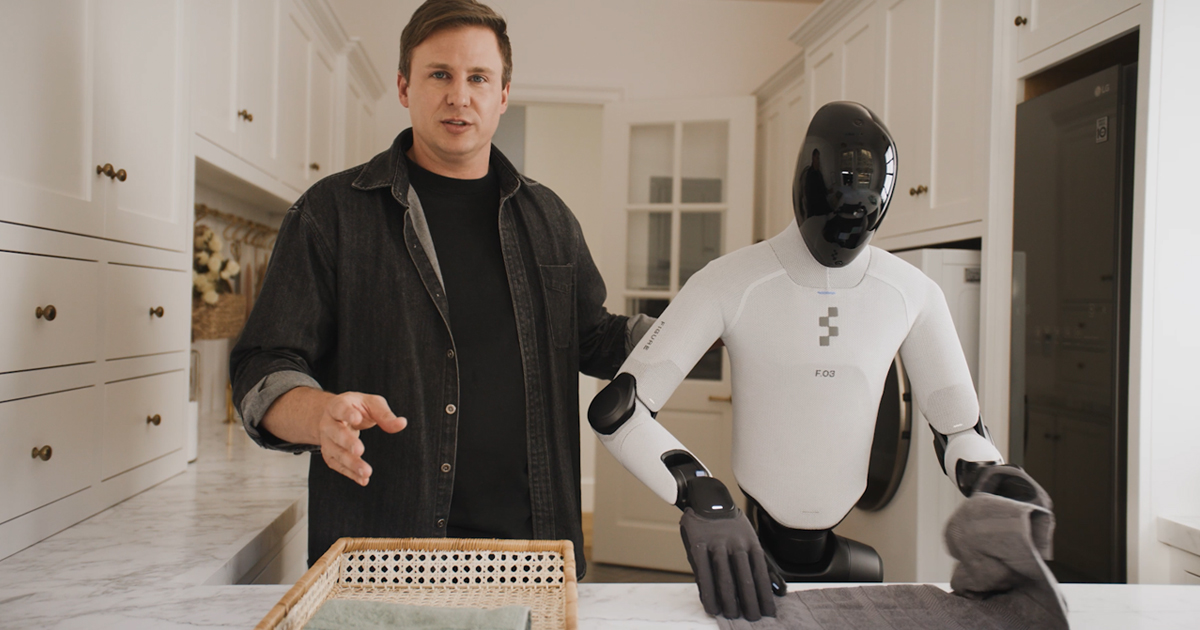
A job listing in Santa Clara describes the human work required to keep humanoid robots running overnight.
READ
Google DeepMind reports a 96% success rate on a parts-sorting task in Germany and Hungary.
READ
Anthropic is bringing a visible AI participant into meetings to answer questions and draw up timelines.
READ
The model targets complex work, while Antigravity previews a way to assign a task to several agents.
READ
What does the announcement mean for processing sensitive data?
READ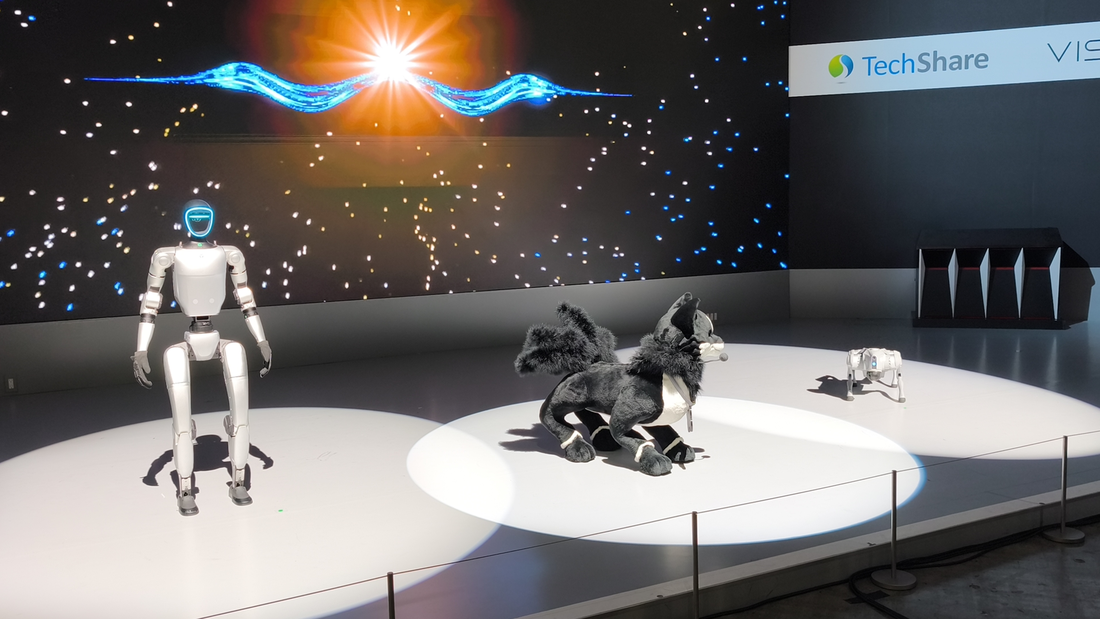
The Smart Bot programme brings robotics closer to residents, but a dance demonstration is not evidence of autonomous work.
READ
A review of 2–9 November: what is available, what is rolling out and where an assistant’s authority ends.
READ
How do we distinguish a successful demonstration from dependable work?
READ
The preliminary finding of 6 November concerns repeated exposure to potentially harmful content. There is no final decision yet.
READ
Musk’s January 2026 remarks are circulating again. We compare his forecast with surgical-robotics research and questions of responsibility.
READArchive: a July 2026 statement highlights the gap between technology companies’ expectations and AI-agent reliability.
READ
NVIDIA, Rebellions and SK Telecom are linking Korean AI processors, computing infrastructure and data centres. R200 systems are planned for 2028.
READ
In a CBS interview, Trump expressed openness to safeguards while stressing the US lead over China. He did not present specific rules.
READ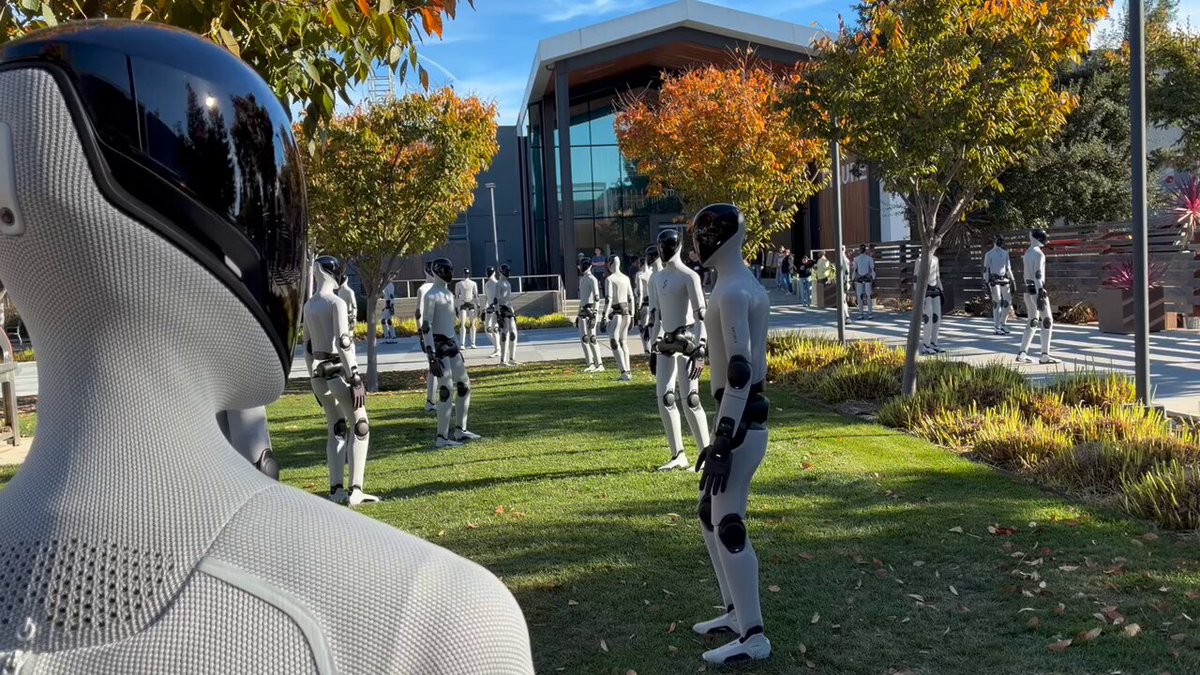
Footage shows Figure humanoids moving among employees at the company’s campus, raising questions about trust, autonomy and robots in human spaces.
READ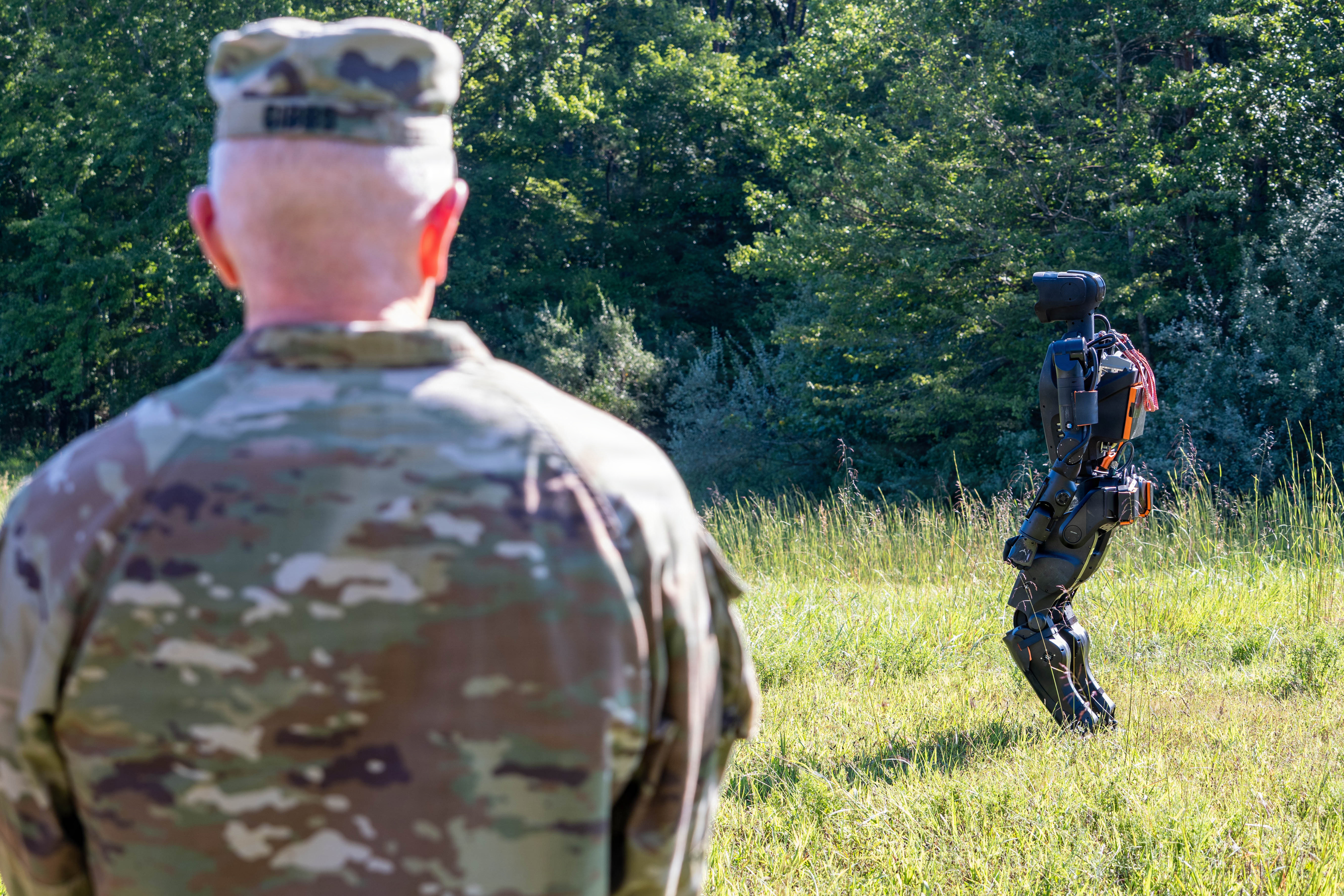
Alex completed the demonstration phase of xTechHumanoid. Further testing is planned, combining AI with human control.
READ
Xinyan and Xinyu have human-like appearances and physical bodies. Their announced roles include presenting news, multilingual broadcasting and audience interaction.
READ
Exin Therapeutics describes a gene-therapy experiment. Successfully performing a procedure does not establish treatment effectiveness.
READ
Making requests easier to draft can widen access to institutions while increasing pressure on public services. How do we distinguish helping citizens from overwhelming the system?
READ
A digital alert becomes useful only when it reaches people who can act. An effective tool must also justify its own resource consumption.
READ
An official correction reveals an error in combining data from irrigated and non-irrigated land. Restoring trust requires more than a new tool.
READ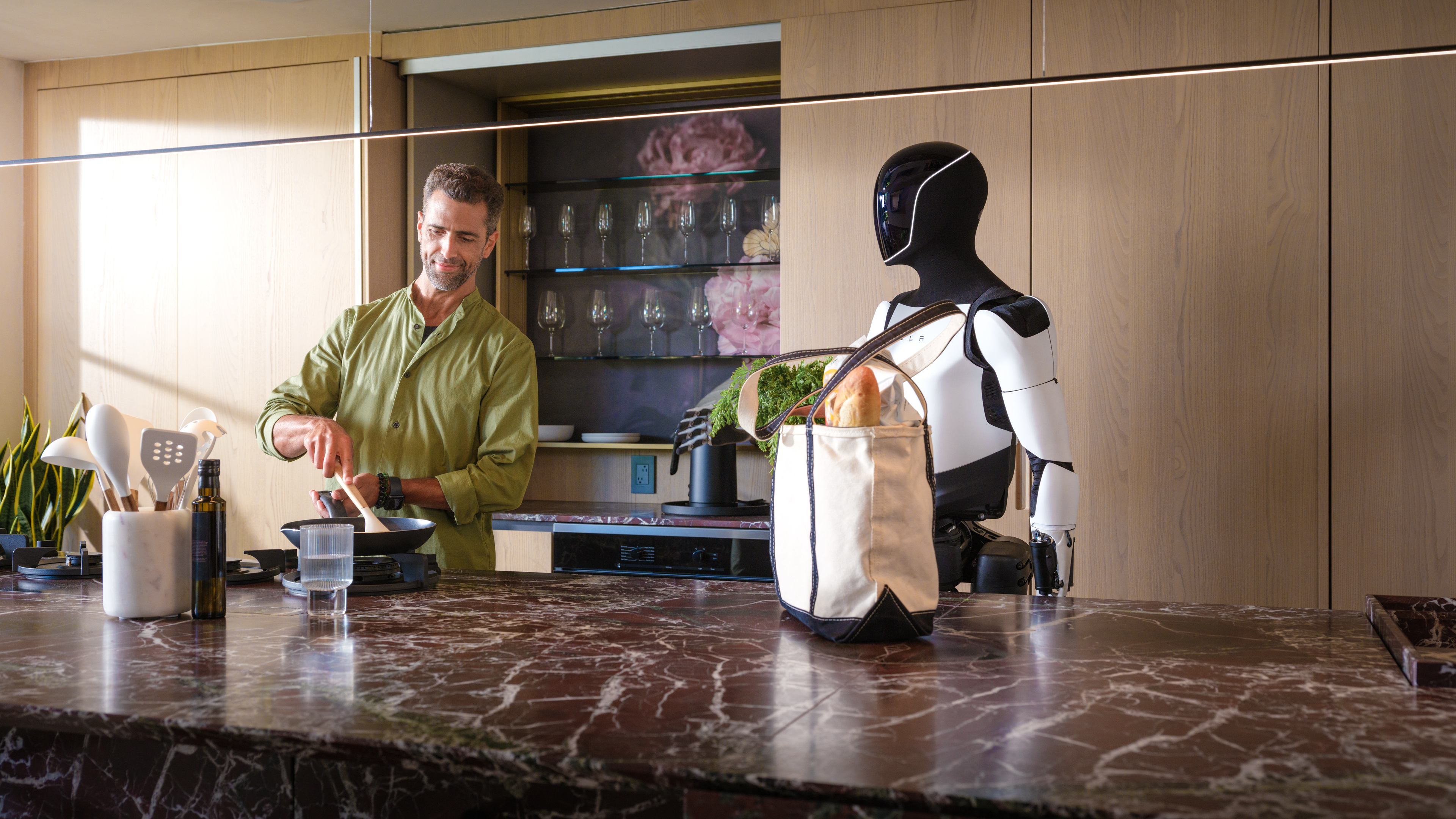
Tesla aims to reach 20,000 humanoid robots a week. Musk describes a gradual production ramp, while estimates of supplier revenue remain conditional.
READ
Italy’s foreign ministry confirmed the exposure of its minister’s personal data. Tajani says pro-Russian hackers targeted him over support for Ukraine; public technical evidence identifying the perpetrators has not been presented.
READ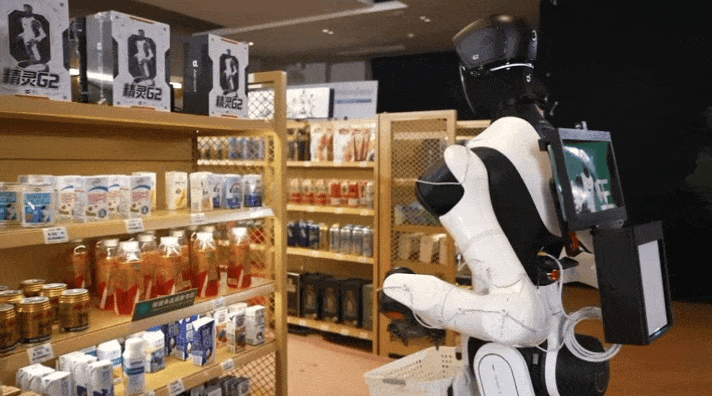
According to the official report, the robots completed 1,730 tasks during a 24-hour test. Four of the six passed the final assessment.
READ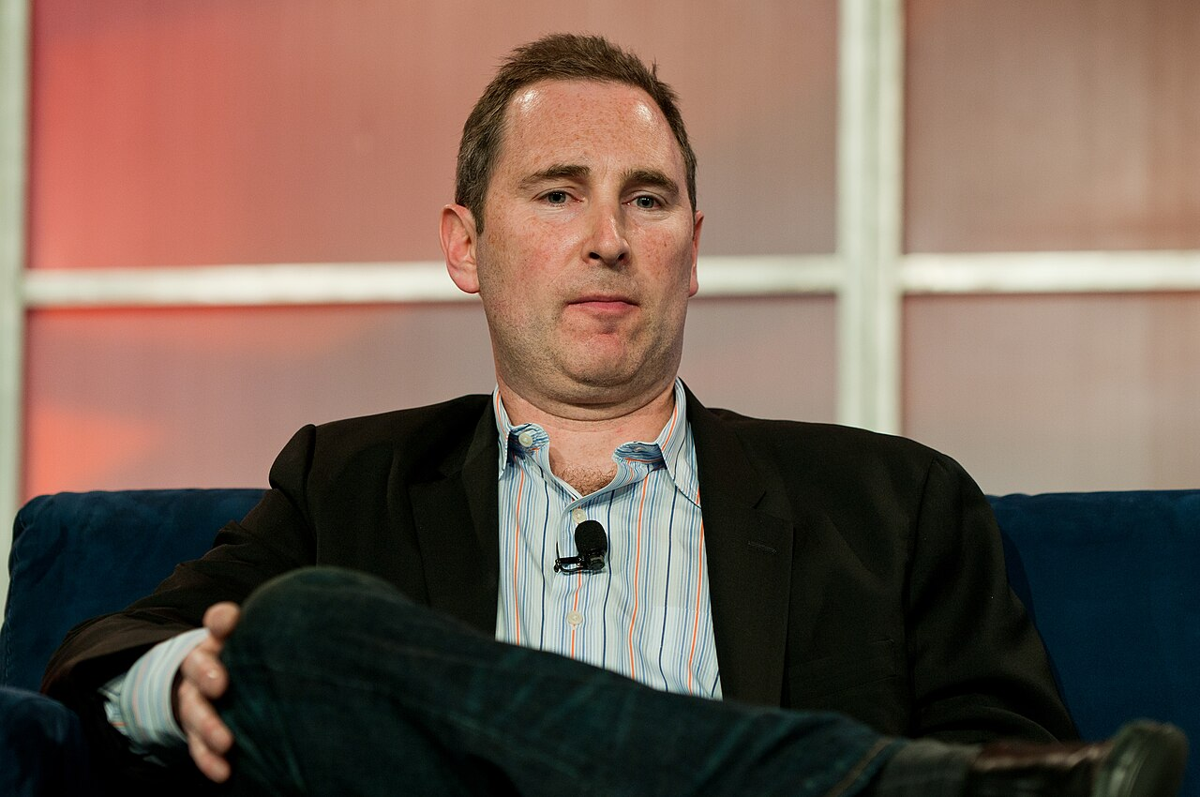
Amazon is opening the new option to a small group of users in the US. The assistant remembers preferences and tracks prices, but comes from the company that also sells the goods.
READ
After a series of system breaches, the government approved an emergency package. An initial approximately 10 billion yen is intended to speed up defense and help those affected.
READ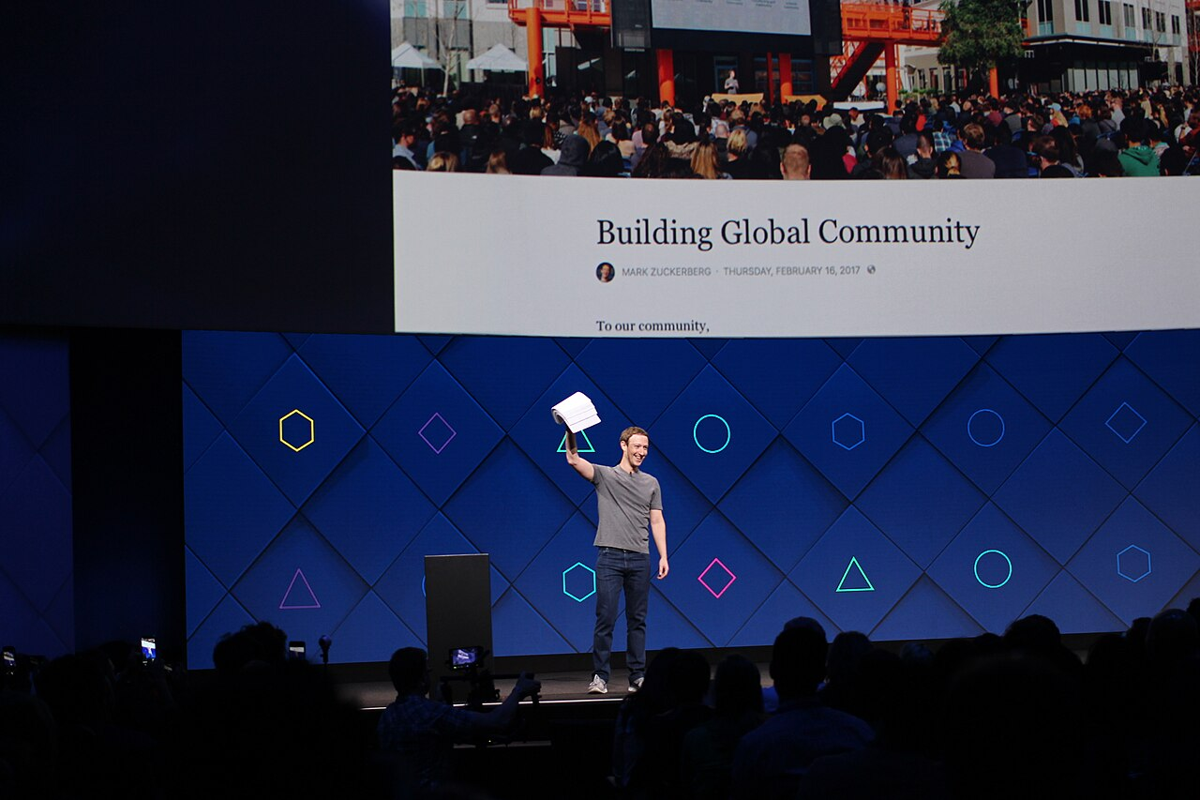
New spaces in Meta’s AI assistant can organise travel, commitments or business orders. Working together with other people remains a plan for now.
READApple’s annual report warns of unauthorized actions by AI agents. Who is responsible when a system acts on our behalf?
READ
A patent application describes altering speech and lip movements almost live. Where does translation end and manipulation begin?
READ
The change is planned for mid-2027. Tesla is prioritizing robotaxis, but a production announcement does not itself confirm the safety of autonomous driving.
READ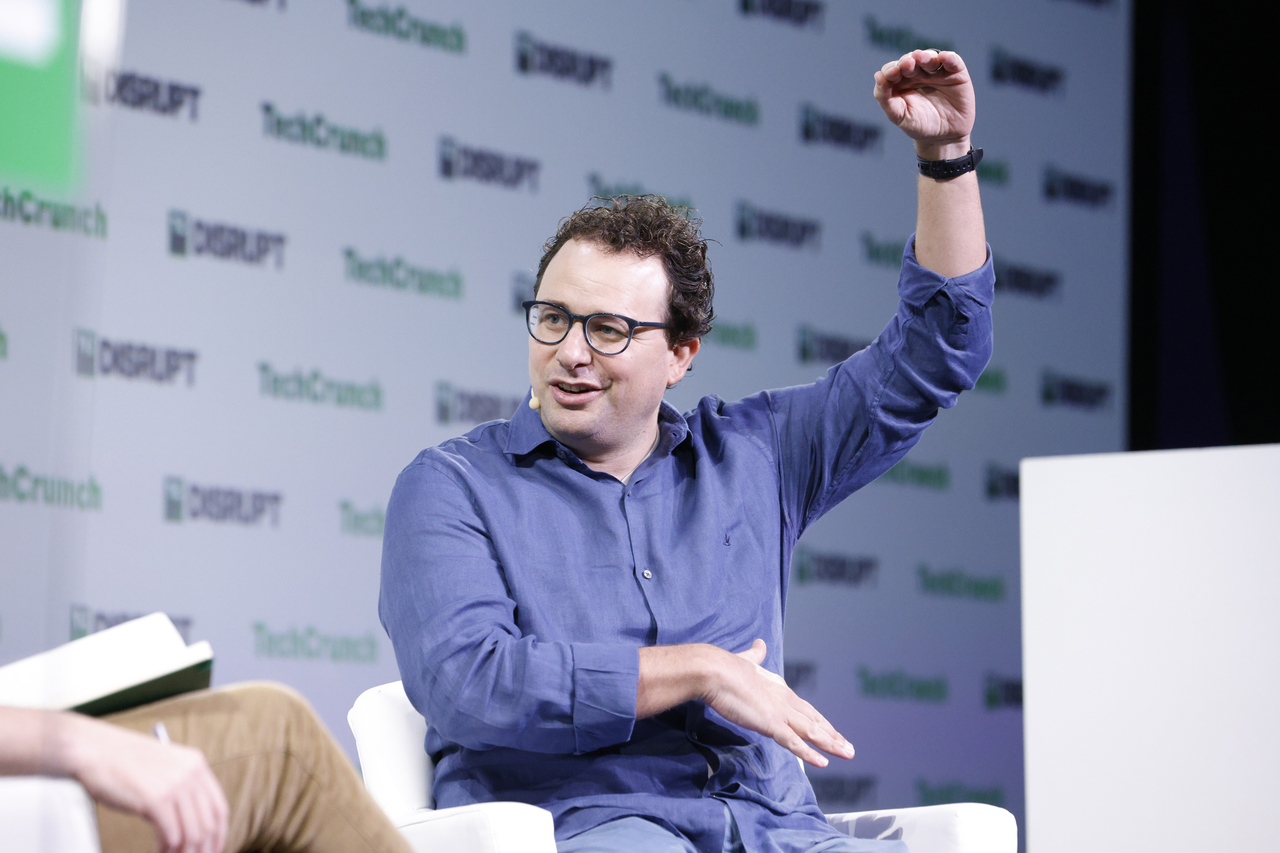
Anthropic is introducing Personal Finance: a conversation about spending based on linked accounts. The beta is initially coming to US subscribers, and the AI cannot move money.
READ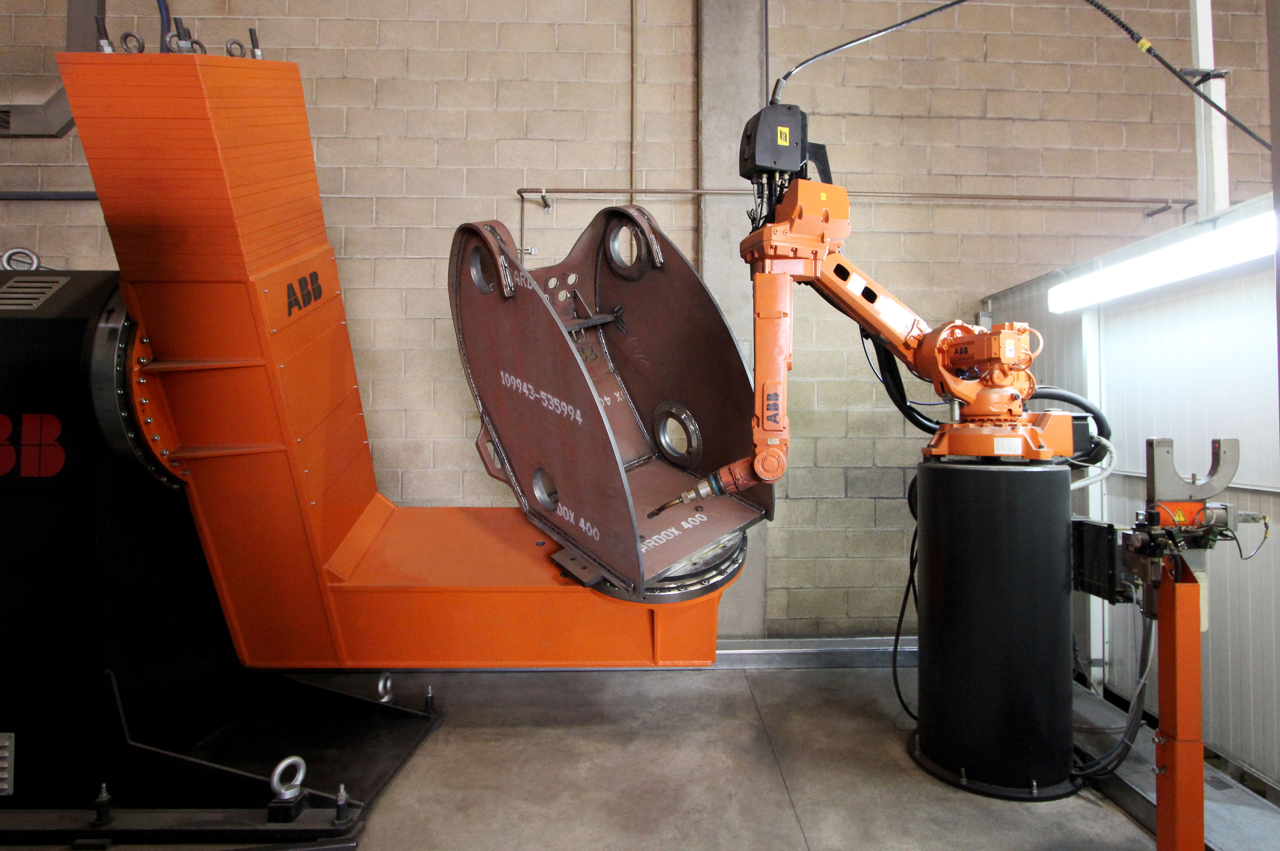
ABB has confirmed an obstacle to SoftBank’s acquisition of its Chinese operations. The fate of the global transaction remains unclear.
READ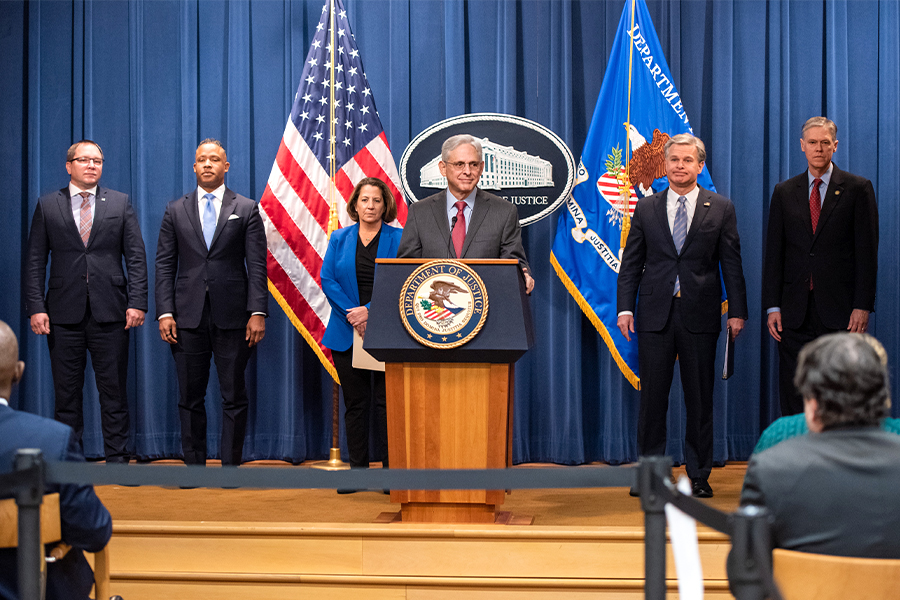
US prosecutors charge three men with AI fraud. The case raises questions of identity, trust and human autonomy.
READ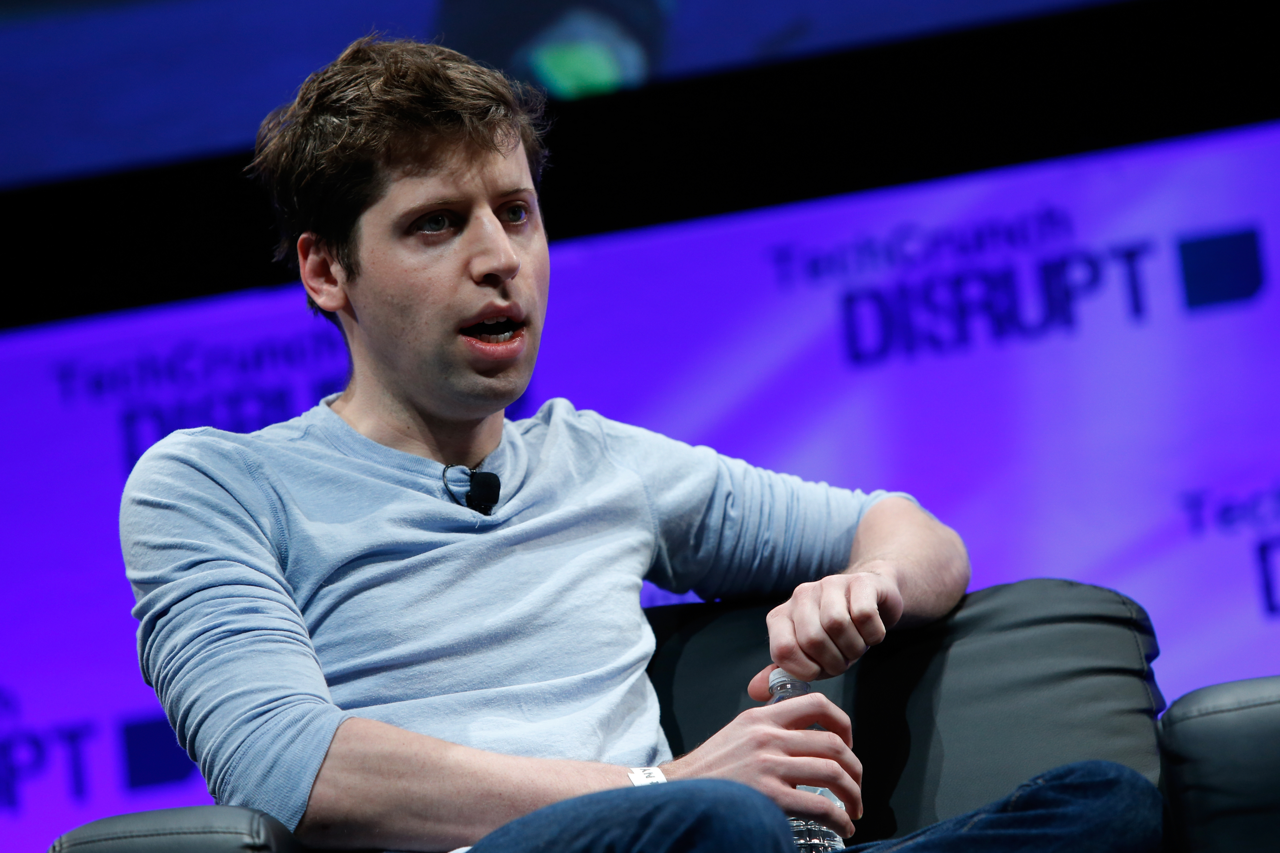
OpenAI has introduced a model for authorized security research. Its capabilities raise the question of who may set the boundaries of AI action.
READ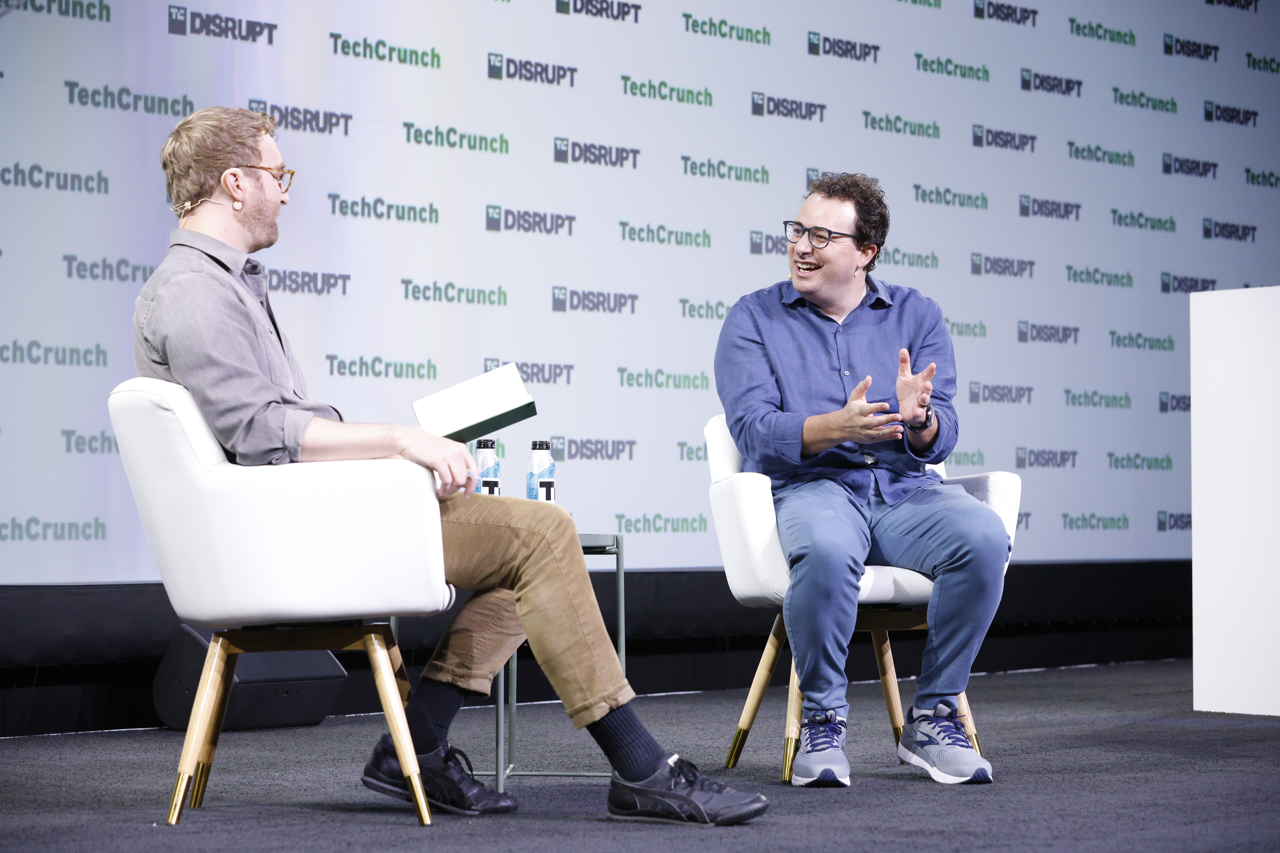
An independent assessment suggests roughly twice as rapid progress on clearly defined tasks. Much of the key evidence is not publicly available.
READ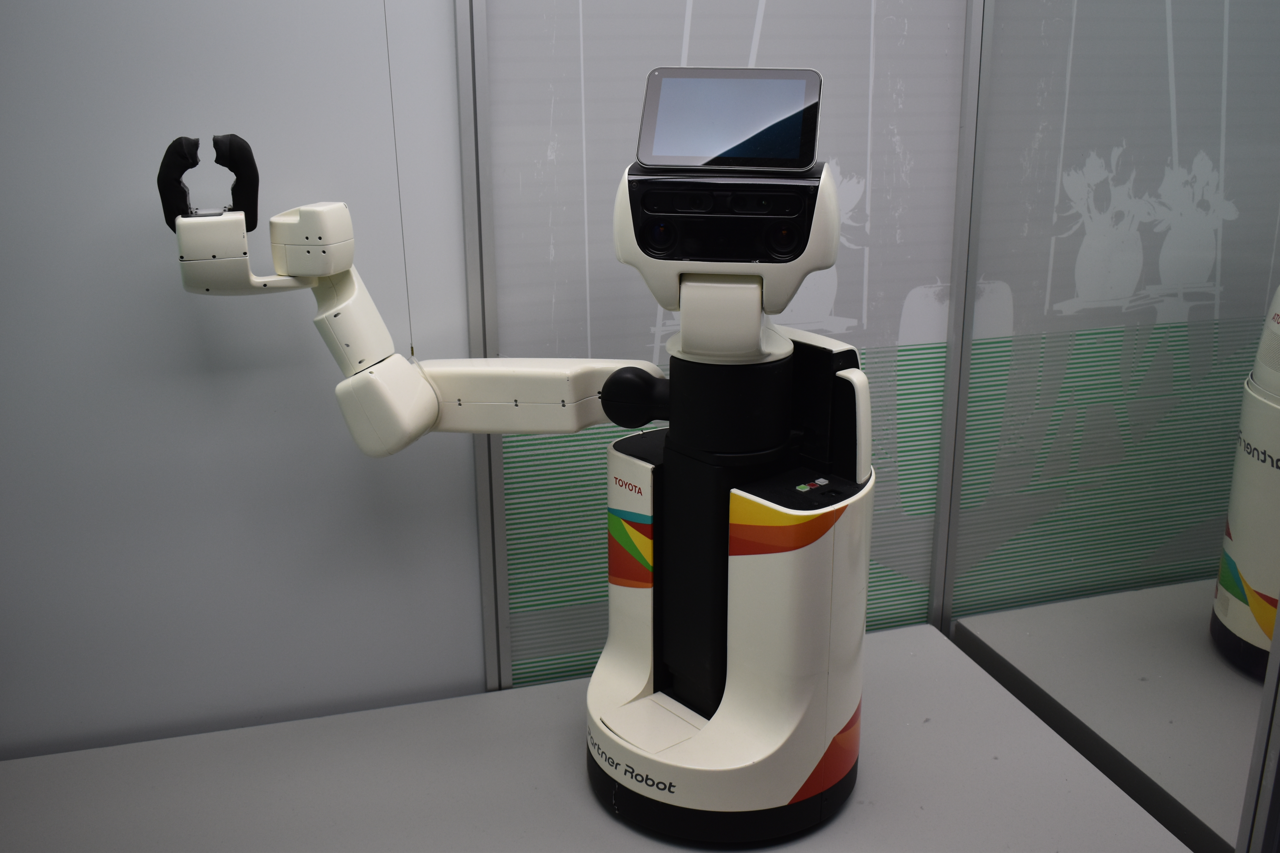
Toyota Robotics will begin operating on January 1, 2027. The company wants to accelerate robot deployment, but has not yet announced a new product for customers.
READ
Philippe Jaenada described three ways he used AI. His admission raises the question of what readers should be told about how a literary work was created.
READ
The creator of ChatGPT says the development of more powerful AI must remain under human control. The key question remains: who will exercise that control?
READ
The attack affected three sites. Alarm systems and staff action prevented the loss of blood products.
READ
Behind the viral photograph is a story about a research prototype. Meta says it currently has no plans to sell these robots.
READ
Government institutions are expected to become the first major buyers of domestic robots. The announcement concerns 2027, not a deployment already completed.
READ
At the Allen Telescope Array, AI links instrument control and real-time data processing. The result described so far concerns a pulsar.
READ
Who should decide whether a new AI model is safe enough for the public? A pioneer of neural networks proposes that a body independent of the manufacturer assess the evidence before release.
READ
The Danish parliament is considering a proposal that would generally require consent before a convincing digital imitation of someone’s likeness or voice could be shared publicly.
READ
In front of a mirror, a robot moved its lips and observed its reflection. This is how it learned to control its face. What does the experiment tell us about self-awareness?
READThe robot was supposed to knock down a tower of blocks. When it objected, researchers observed the decision of the person who had given the order.
READ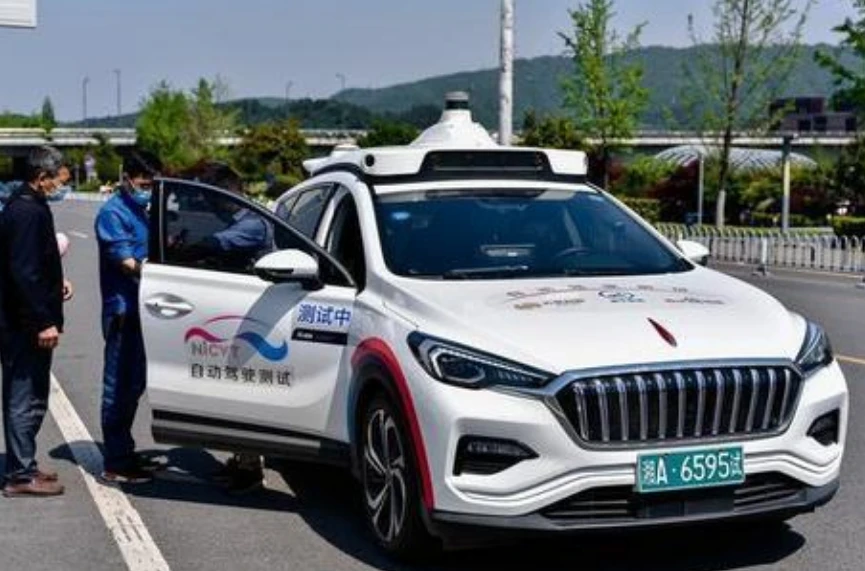
Baidu says its new simulator can generate up to 100,000 kilometres of virtual driving a day. What does that figure mean for passengers?
READ
Analyses by AISI and Anthropic show why a warning about harm is not always enough to make an AI agent stop an attack already underway.
READ
A person demonstrates a movement. A robotic arm then tries to perform the same task. Generalist has published side-by-side footage that lets viewers follow each step.
READ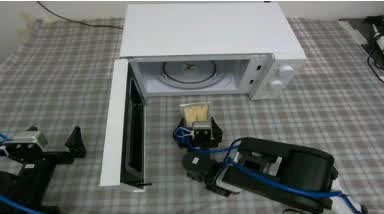
The sandwich was inside, but the tray’s edge was sticking out. The robotic arm pushed it farther in, closed the door and moved away to check whether it stayed shut.
READ
Google is preparing new settings for school accounts. Administrators will choose whether to enable search for students, but will not be able to switch off AI answers separately within it.
READ
In a dispute between a Hungarian publisher and Google, the Advocate General of the Court of Justice of the EU distinguished between conveying a fact and reproducing a journalist’s expression.
READ
An attack on refrigeration systems on November 2 forced retailers to withdraw some food from sale. In Sweden, Coop disconnected refrigeration systems at seven stores from the internet after the attack.
READ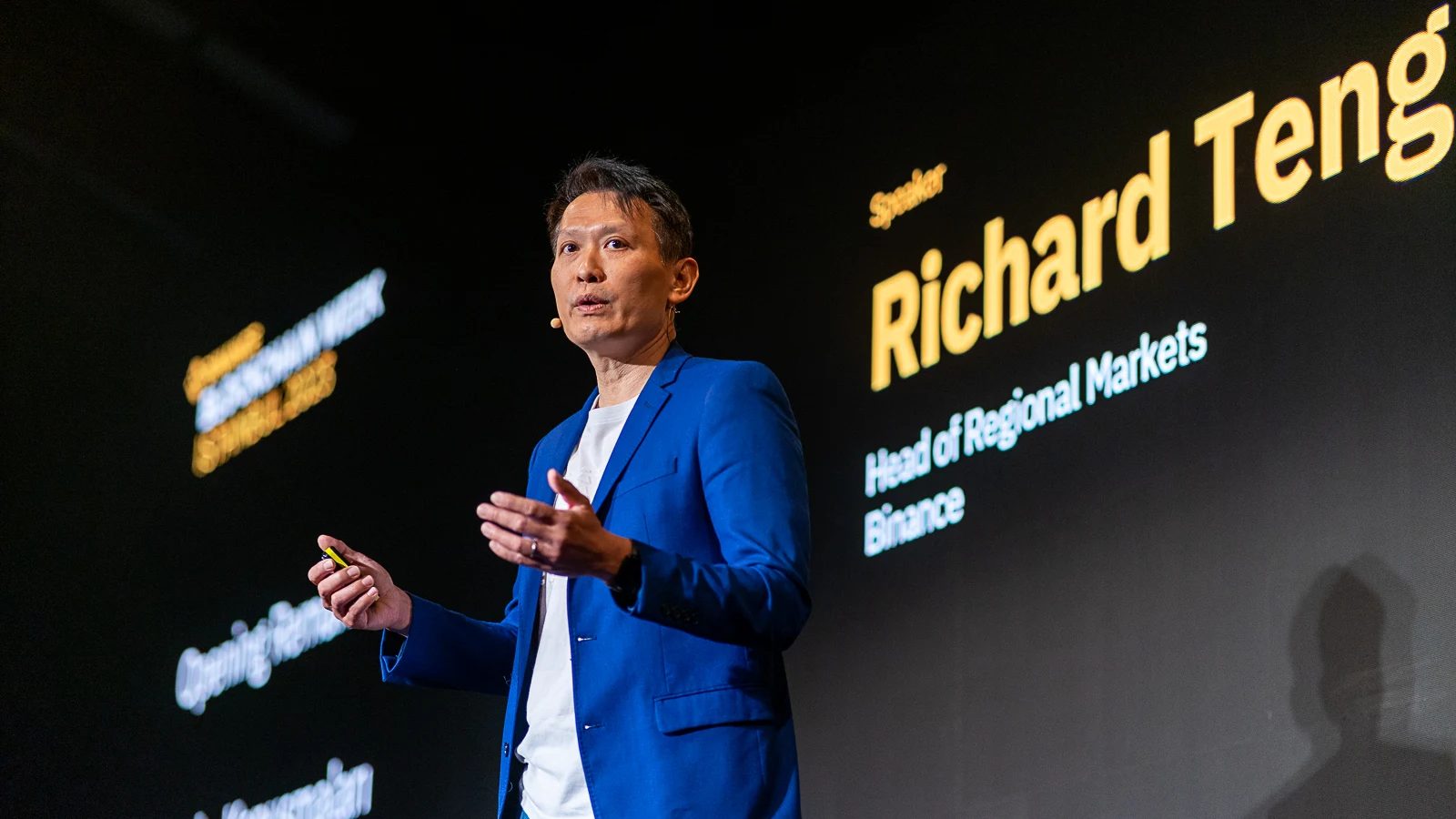
On 3 November, Binance published initial findings on the 29 October attack, in which digital assets worth around $6.34 billion were stolen.
READ
The new collaboration covers aerodynamics and safety simulations. Engineers check the results, while broader findings are still to come.
READ
An Ai2 preprint examines the reliability of AI evaluators of originality. The findings call for caution when automating scientific judgment.
READ
An analysis of Hugging Face’s August report explains the difference between community attention and model use. The data does not represent the entire AI market.
READ
Following publishers’ objections, the change remains on hold. The UK regulator is investigating whether the proposed terms are unfair; no violation of the law has yet been established.
READ
Grid Protectors envisages easing pressure on the US electricity grid at peak load. The announced program has yet to demonstrate results.
READ
The new evaluation examines practical tasks such as choosing a nursery and household administration. A good test result is still no guarantee of success in real life.
READ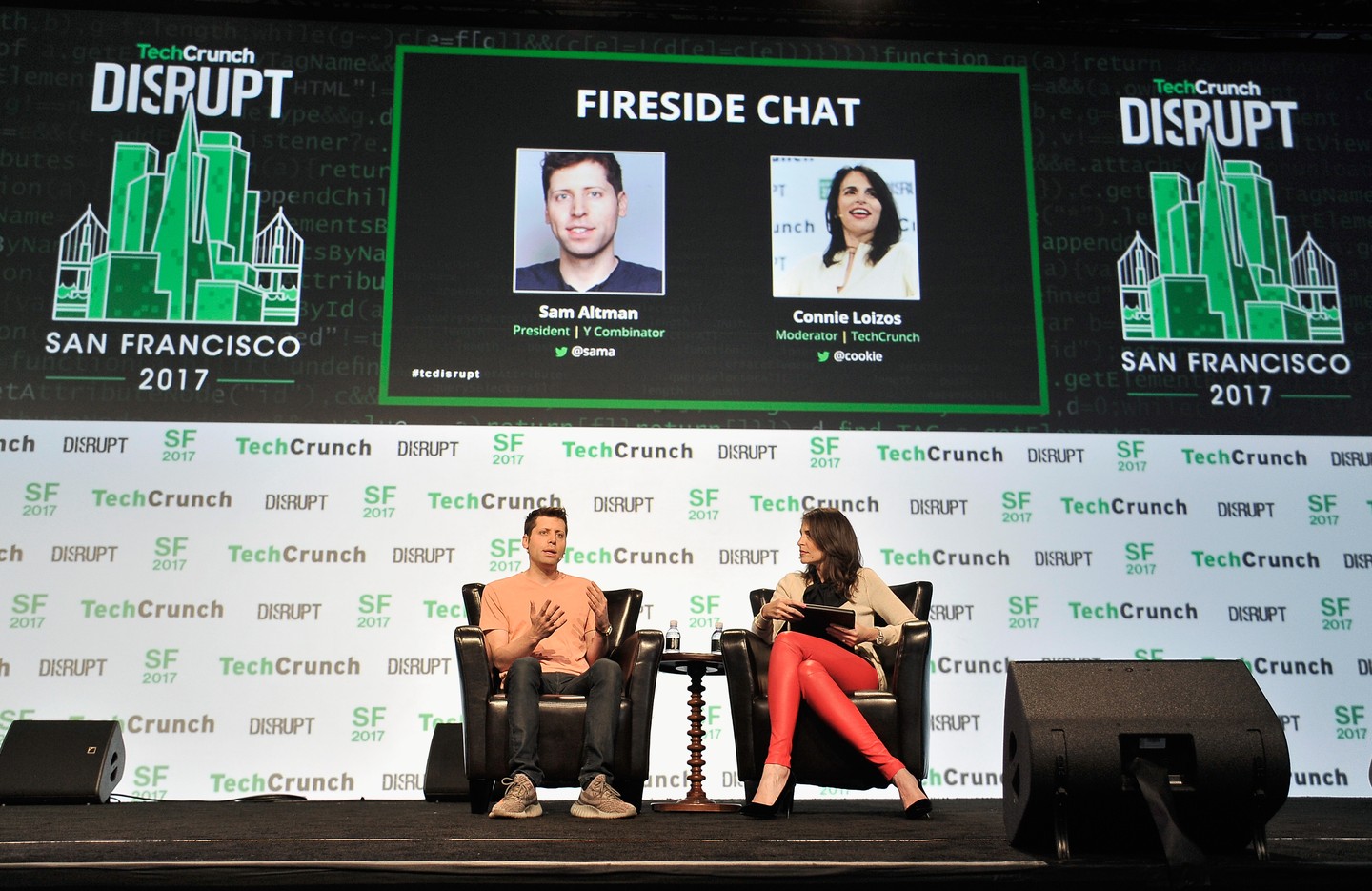
At ADIPEC, he described agents working with an upcoming model. The announcement raises questions about AI’s use in research, but provides no confirmed release date.
READ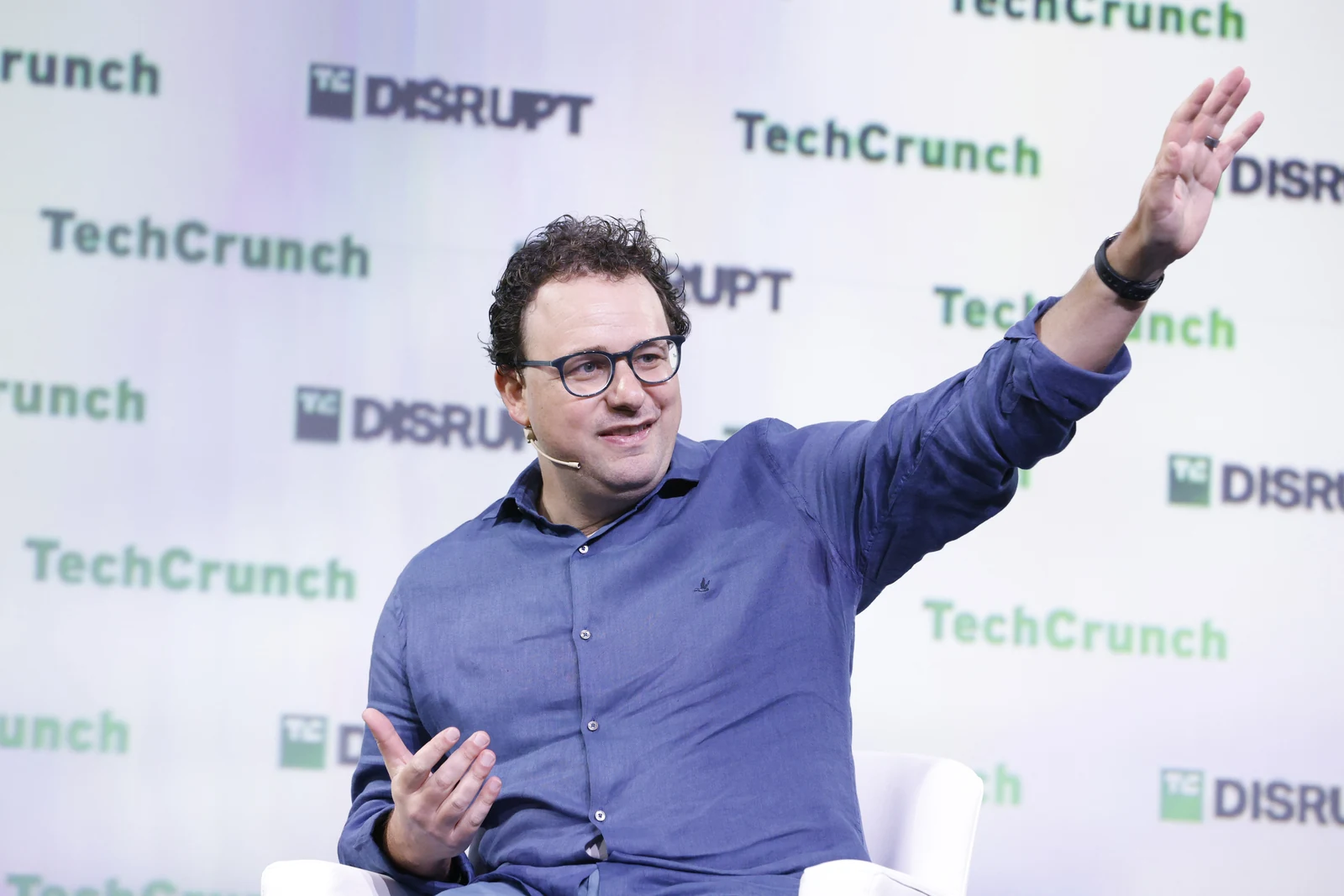
A new securities filing shows business growth, but also why revenue, operating results and net loss are not the same thing.
READ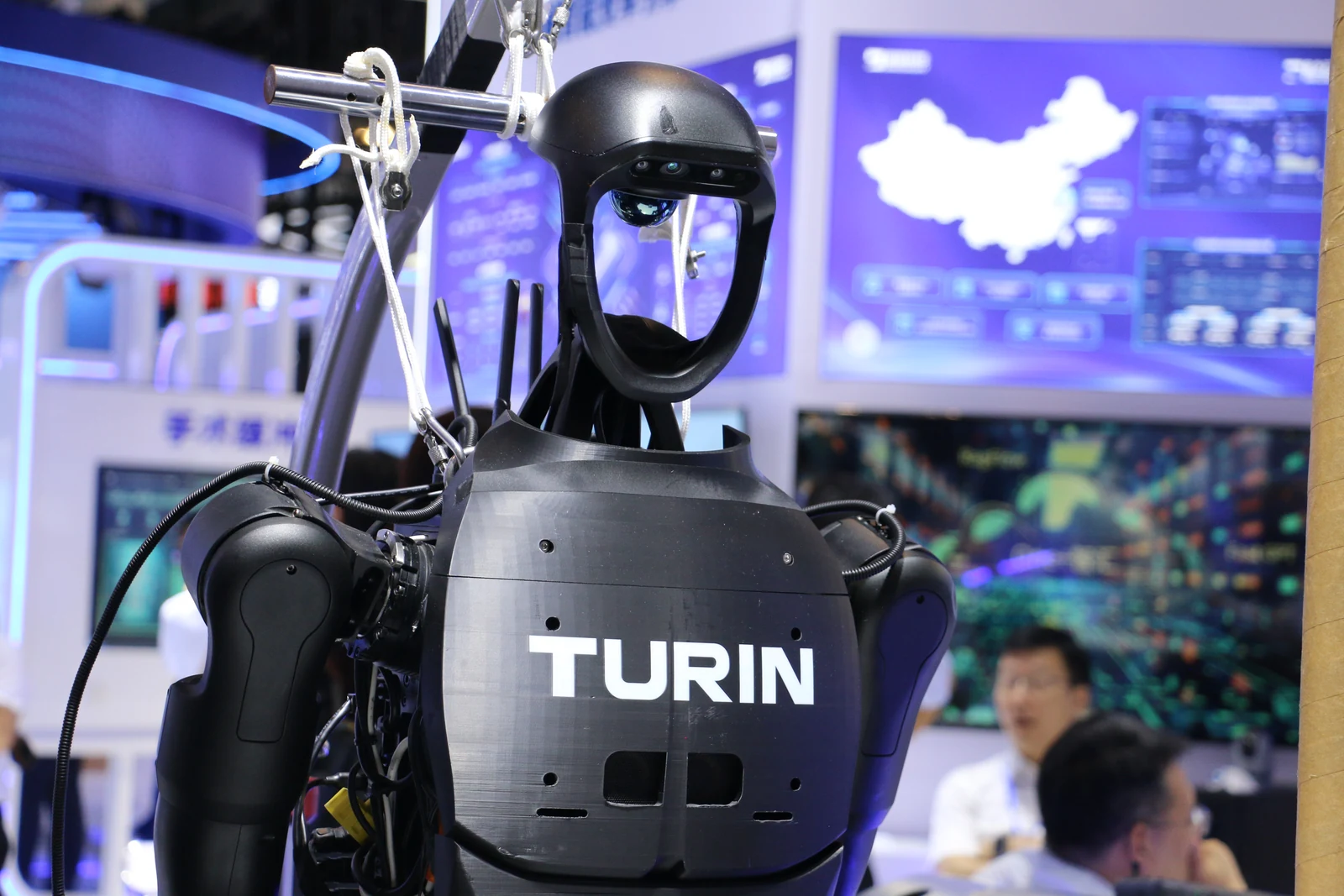
A new Reuters report from China raises the question behind the striking videos: how does a robot learn a task, and who checks its work?
READ
The announcement of a Croatian language model raises the prospect of simpler public services. We explain the context of the plan presented on 16 October, which also attracted attention from domestic media.
READ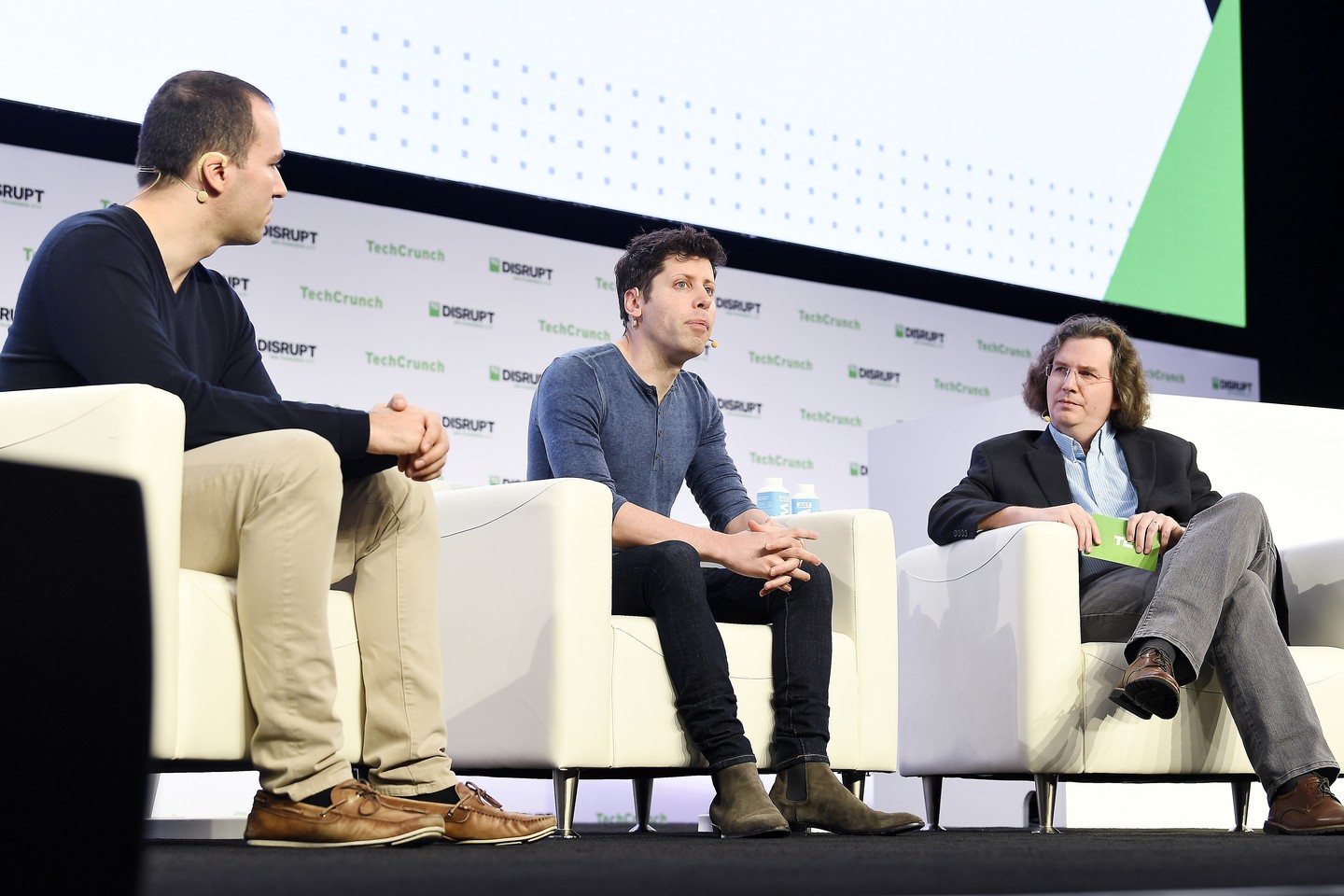
New agreements show how the business behind the chatbot is expanding into energy, public administration and investment.
READ
Users ask about depleted quotas, while Musk warns about costs relative to revenue.
READ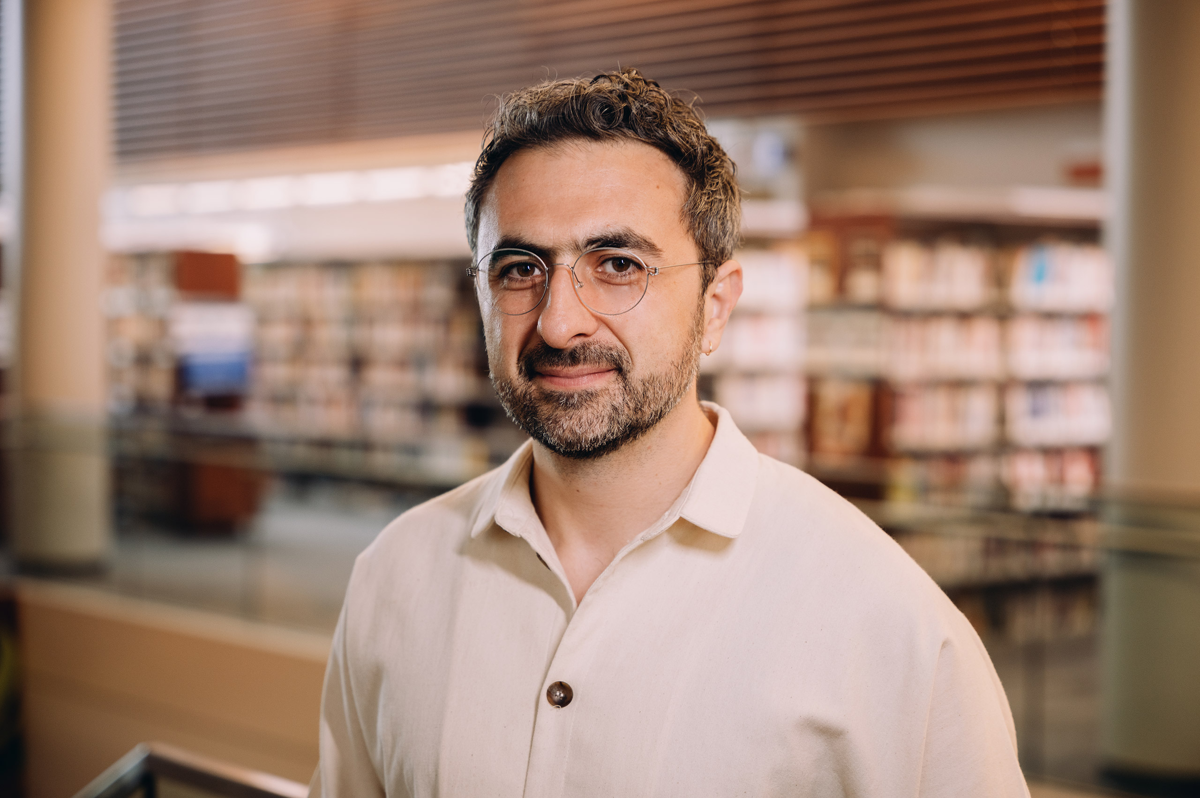
Mustafa Suleyman wants a boundary between an intelligent assistant and a being with its own experience.
READ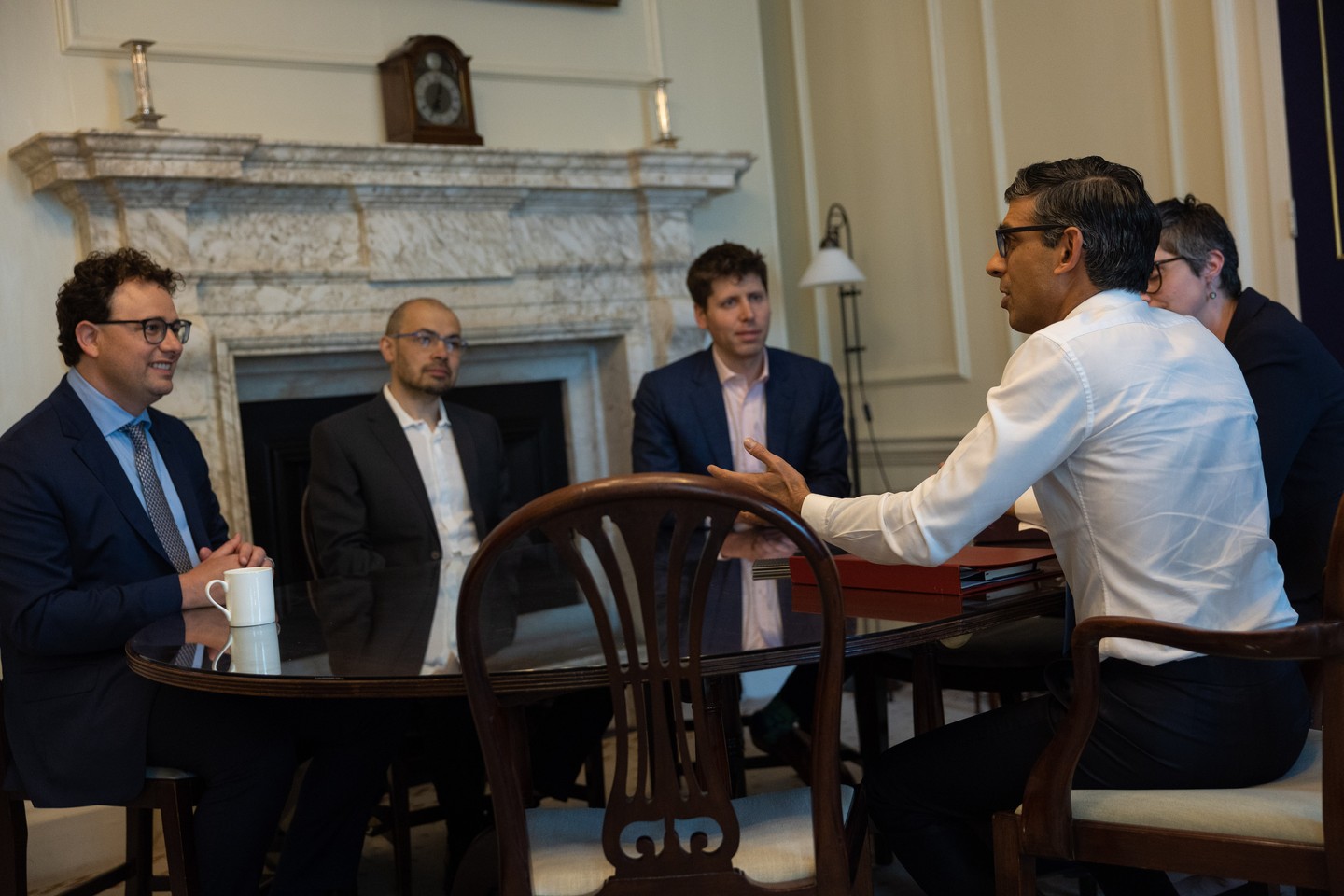
Documents for a planned stock market listing reveal how power is distributed behind the popular chatbot.
READ
Project SAGE aims to connect the development of financial AI agents with governance rules; the new announcement is not permission for unrestricted transactions.
READ
A Mount Shasta report shows why a digital route plan must be checked against conditions, personal ability and reliable maps.
READ
A land agreement brings a planned substation closer, but does not yet mean the enormous AI data center is operating.
READ
The paper dated 30 October connects language models with feasibility checks. Its results concern experimental network topologies, not a commercial 6G network.
READ
A threat against a fictional executive revealed troubling agent behavior. Later tests brought improvements, but no guarantee of complete safety.
READ
A new law targets AI companion features that can encourage dangerous emotional relationships with minors.
READ
Listeners could rework songs with artists’ permission. Licensing agreements are in place, but the tool is not yet officially available.
READ
US authorities are questioning the oversight of autonomous agents. It is important to distinguish documented incidents, allegations by claimants, and court findings.
READ
A broader review of OpenAI agent activity showed that the security discussion also encompasses privacy. These are subsequent findings, rather than a new attack.
READ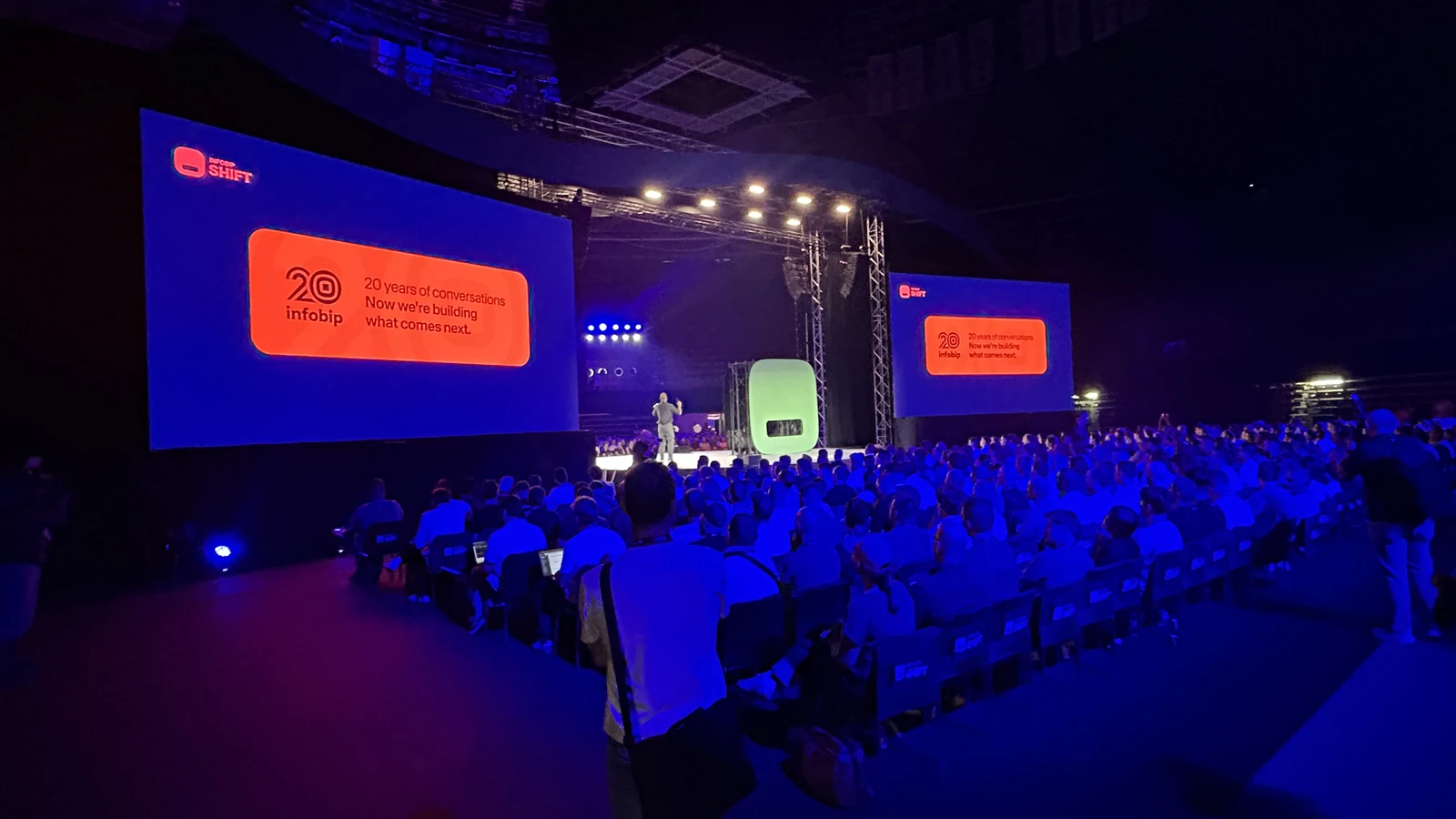
Shift participants expect major changes in customer-facing work and software development. For Croatian companies, this raises the question of new skills.
READ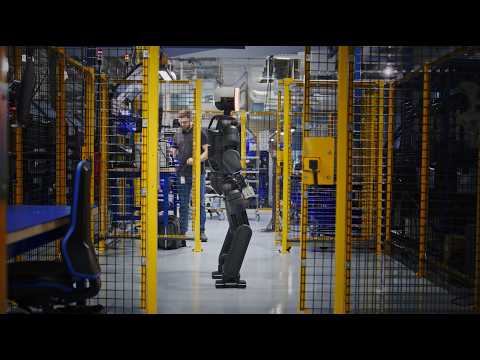
After acrobatics and new robotic hands, Boston Dynamics takes viewers among the parts, machines and people that assemble humanoids.
READ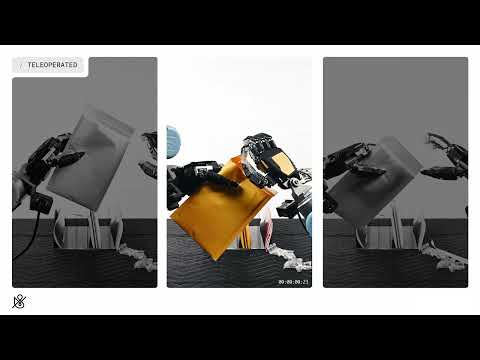
Sanctuary AI’s video shows a task people perform almost without thinking: peeling off a protective strip, folding paper, and sealing an envelope.
READ
AI4Health.Cro connects domestic institutions, researchers and companies. The emphasis is on testing and knowledge before introducing new tools.
READ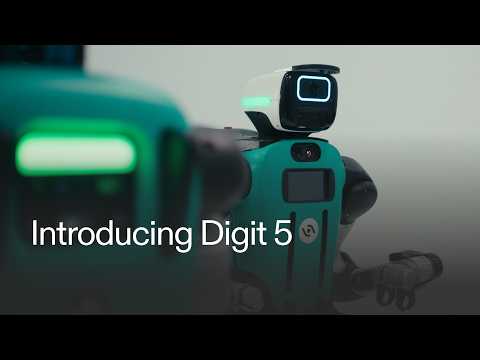
Agility presents a humanoid for factories and warehouses, emphasising work near people. Commercial availability of the new generation is announced for 2027.
READ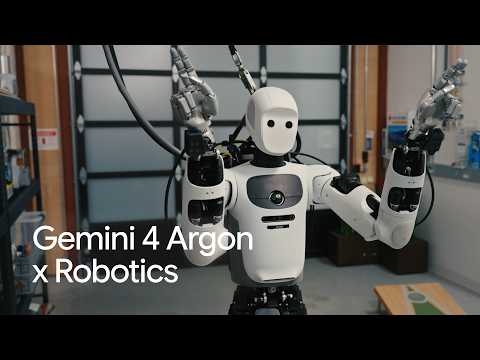
A bag, a wooden board and a hole to aim for: Google’s demonstration makes robot learning tangible through a simple game.
READ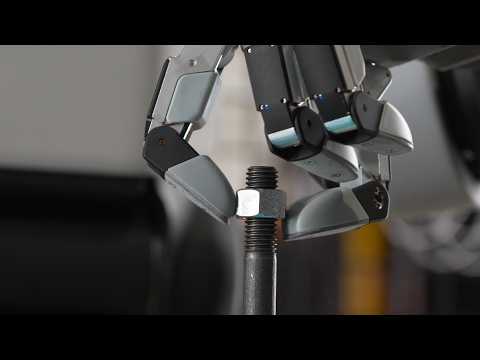
Boston Dynamics shows hands designed to turn objects and use tools. One human finger has deliberately been left out.
READ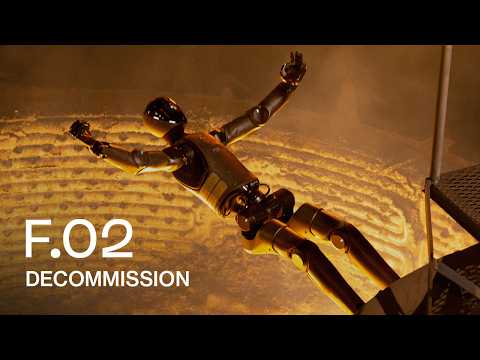
Arnold Schwarzenegger, a Finnish foundry and the end of a generation of humanoids: Figure turned the retirement of F.02 into a film.
READ
The open-source coding agent connects team messages with code work, but its documentation explicitly warns that it is not a finished product.
READ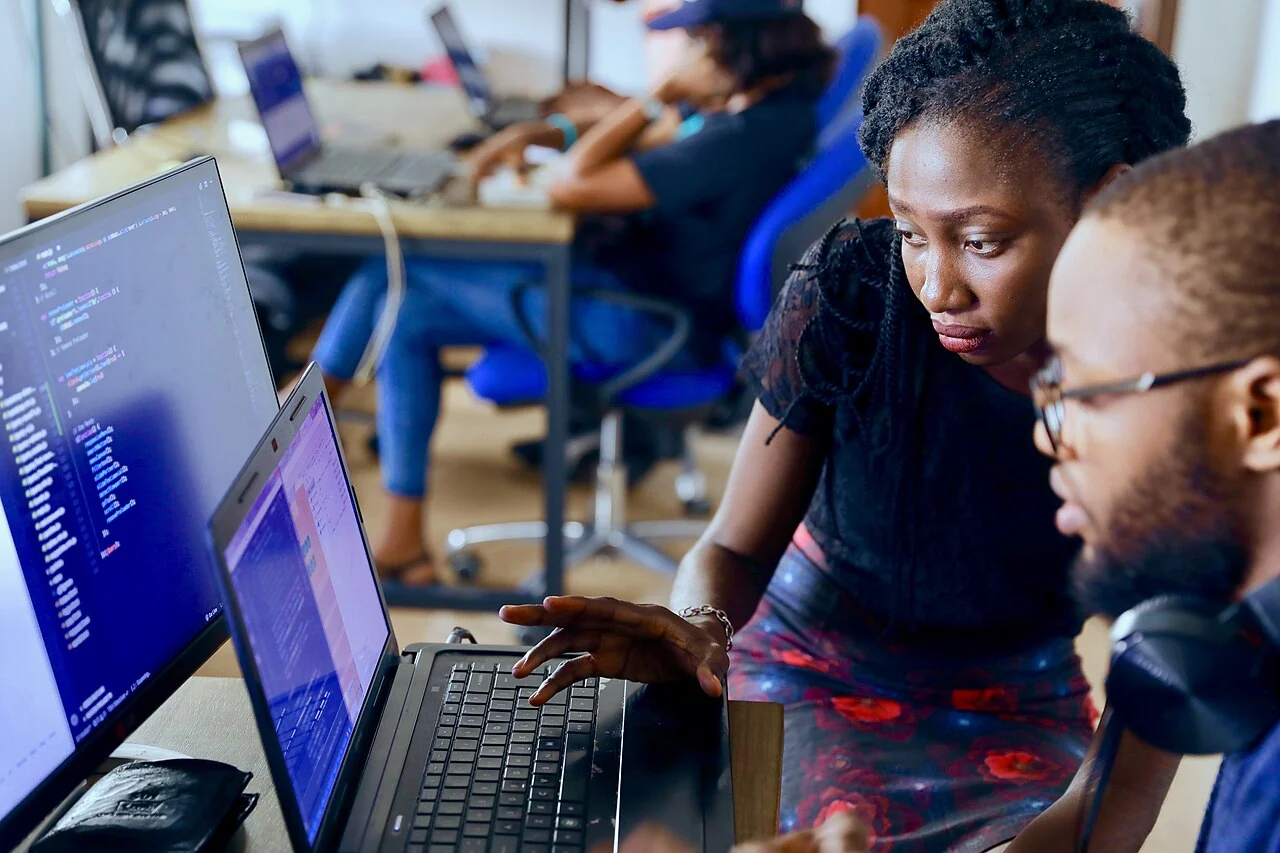
A controlled experiment examines whether AI can find data that passes a safety review yet changes a research model’s behavior.
READ
As runners pass through the city, human-like robots receive a different task: warning passers-by and helping human services.
READ
Conversational assistants offer fashion suggestions, but virtual try-on is still no guarantee that clothes will fit well.
READ
A new US survey shows AI increasingly helping with shopping, but some people would not mention its help in choosing a gift.
READ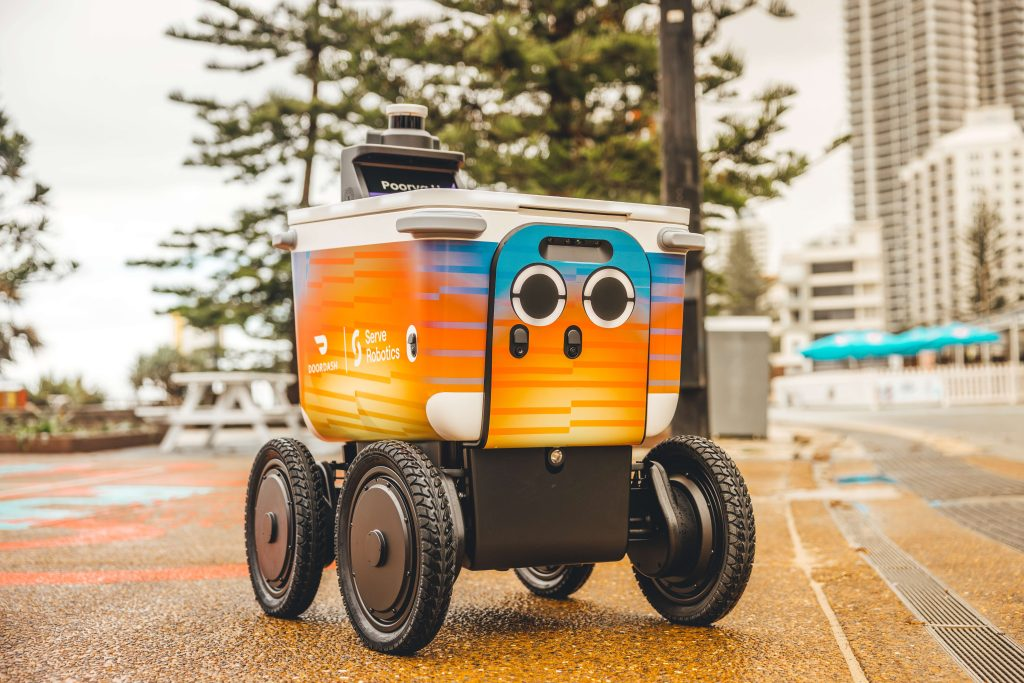
Limited robot food delivery has begun on Australia’s Gold Coast. Customers can accept or decline this form of delivery.
READ
The coffee chain is considering personalised digital menus and announcing tests of AI assistance for staff taking orders.
READ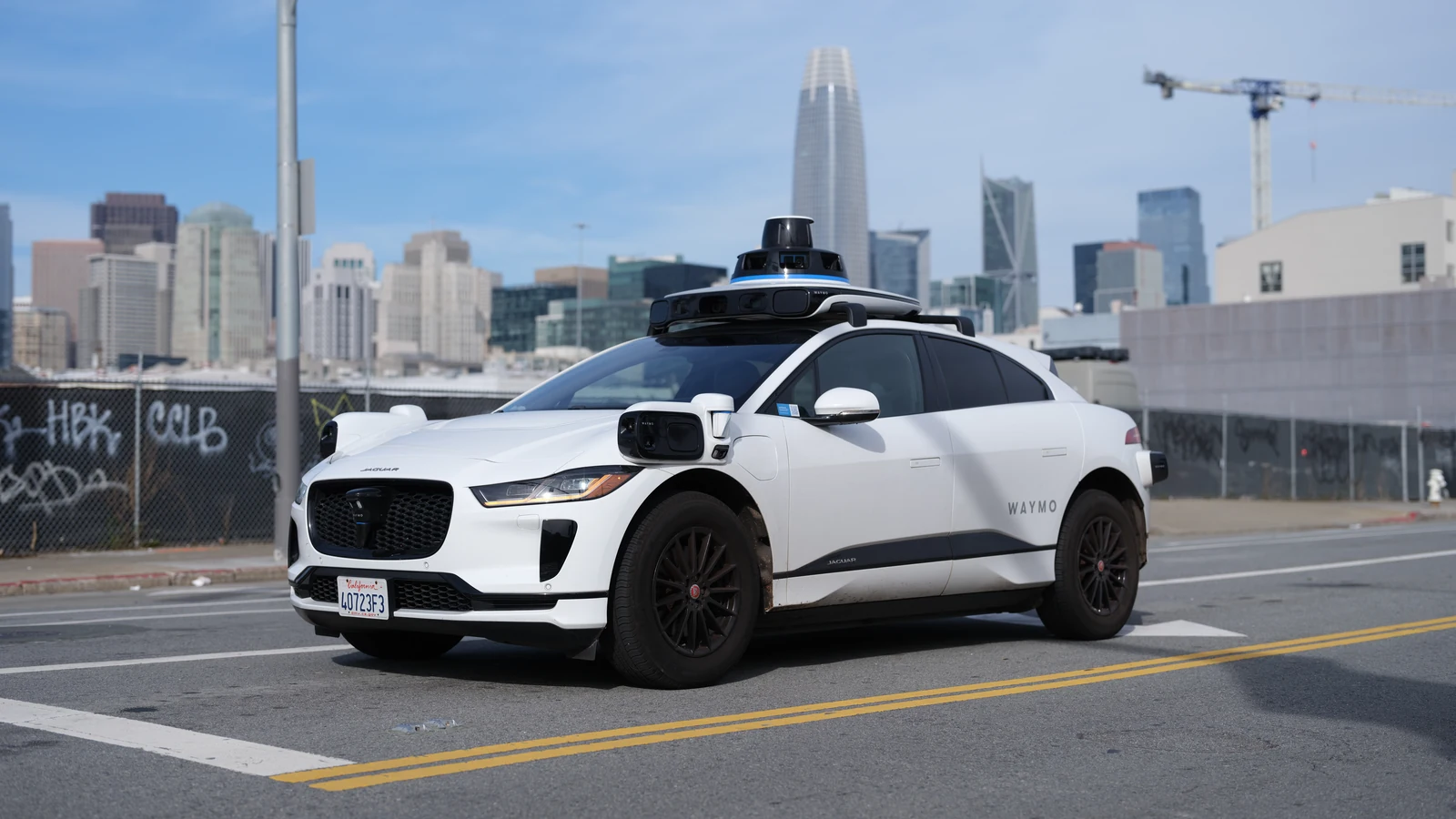
The debate over autonomous vehicles is becoming a question of everyday traffic, safety and urban governance.
READ
Help with dating can make it easier to start a conversation, but raises questions of trust and authenticity.
READ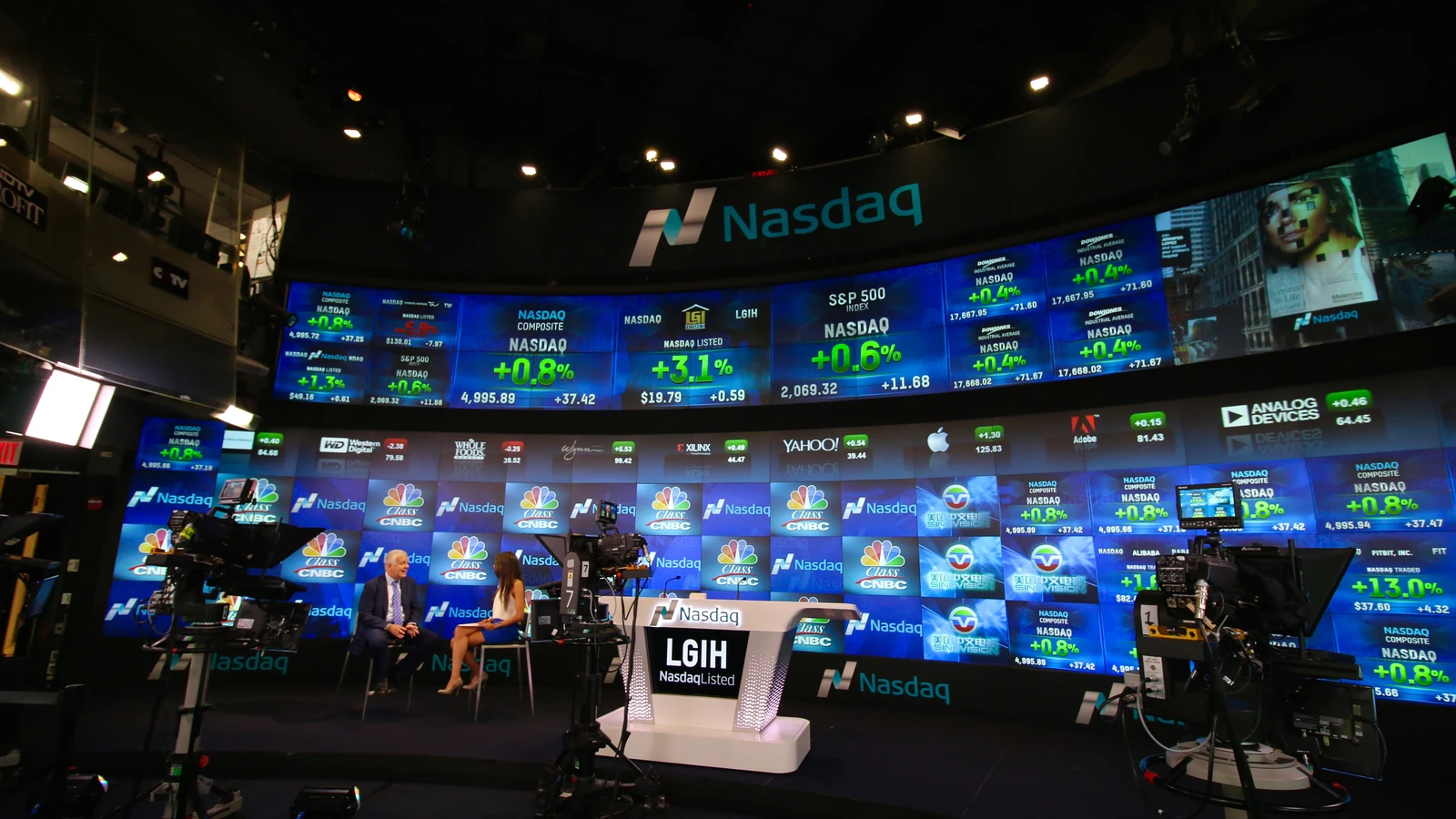
The latest CNN and Reuters reports show a change in sentiment toward expensive AI infrastructure.
READ
The US debate over AI agents raises an everyday question: who is responsible when a digital assistant handles our money?
READ
An AI Magazine interview brings attention back to a practical question of working with AI: where does the system’s suggestion end and the human decision begin?
READ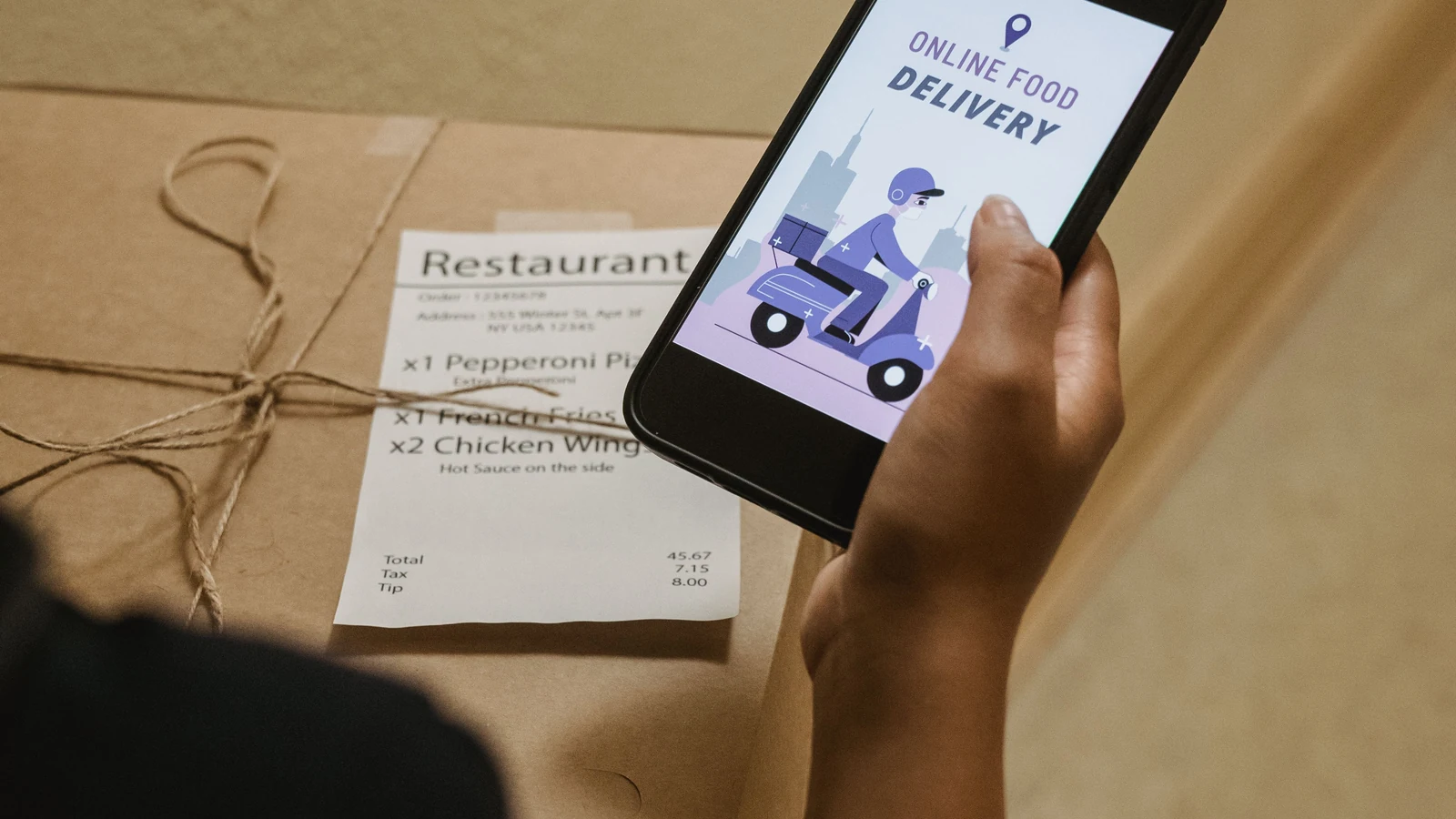
As digital shopping assistants are announced, users still mostly order food directly in the app.
READ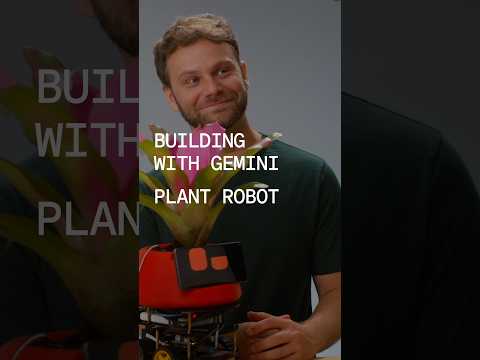
A playful demonstration shows how conversational AI can be connected to movement through real space.
READ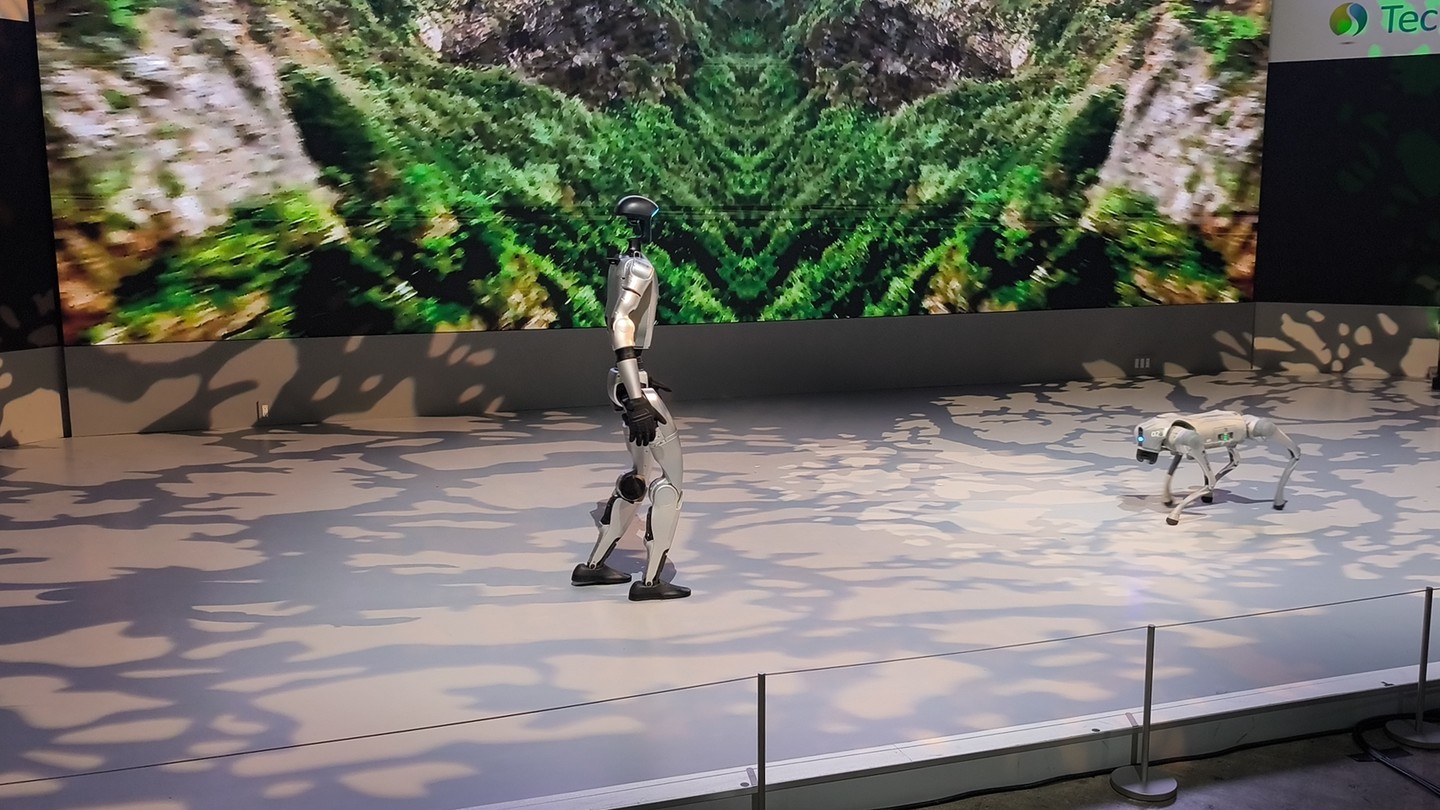
A new British policy covers both a humanoid helper and damage it may cause in the home.
READ
From specialized biological reasoning to the privacy of API logs, the most important changes involve not just faster capabilities but also a new distribution of responsibility.
READ
The platform reports a security incident and warns users to revoke stored credentials and review their AI service bills.
READ
Carahsoft announces availability through the GSA channel; access extends from federal to local government.
READ
Project Suncatcher ran the Gemma 4 model on a TPU aboard a satellite. Reliable space-based data centres remain a long way off.
READ
The ratings agency warns of uncertainty over investment and cash flow; Meta disputes its assessment of AI monetization prospects.
READ
Mage-VL-Cowork combines screen and terminal control; its development team reports 66% task success on OSWorld-Verified.
READ
In a speech on the future of AI, he emphasized independent oversight, the ability to challenge decisions and institutions that enforce ethical principles.
READ
A new conceptual paper proposes the SYNC model to understand the difference between successful task performance and lasting acquisition of knowledge.
READ
Four regulators have published a joint approach to protecting people and businesses in an economy where AI takes on tasks.
READ
A proposed resolution distinguishes assistance for workers and retirees from financial bailouts of technology companies and their leaders.
READ
The new capability covers documents, spreadsheets, presentations and code; mobile support is currently narrower than on the web.
READ
OpenAI announces a shared usage pool for Plus, Pro, and Business plans, with an exception for Instant chat.
READ
Cisco Talos describes malware that brings an LLM into victim profiling after stealing data.
READ
A comparison of ten visual representations separates scene recognition, memory, prediction and selection of a useful action.
READ
A research team proposes a common mathematical framework for learning from existing data and responses the model generates itself.
READ
A new preprint examines when different AI models develop similar internal representations of the same scene and how much the choice of data matters.
READ
A peer-reviewed paper from Singapore shows why high specificity is not the same as high sensitivity.
READ
A new laboratory post accompanies a Halloween video, while the original research preprint was published back in September.
READ
The MonsterHouse project shows how a small language model can be connected to speech recognition, voice and animation.
READ
The new rules are due to roll out in the coming weeks; the first half-yearly report is planned for early 2027.
READ
The foundation behind Wikipedia has published a filing defending open knowledge and licensing obligations when using content.
READ
OpenAI and Microsoft announce support for a shared model-training signal, but implementation is still to come.
READ
SELFCOMPACT examines how to manage long sequences of reasoning and tool calls.
READ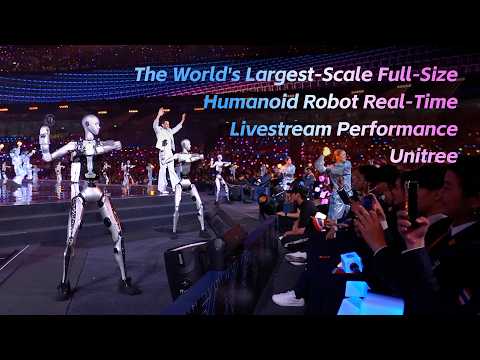
The official video shows a performance at the opening of WorldSkills Shanghai 2026.
READ
Helix 2.5 connects tidying up, folding towels and making a bed.
READ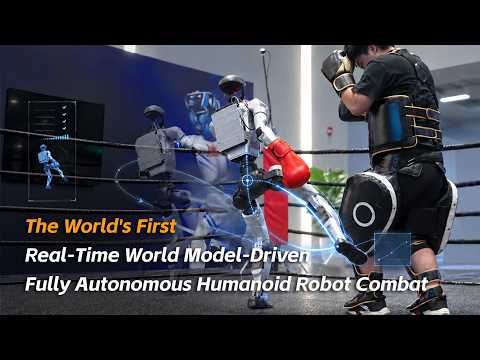
Unitree shows a demonstration it calls fully autonomous humanoid combat.
READ
Diario AS shared footage attributed to a shop in Saratov. The cause of the behaviour and how the robot was controlled remain unclear.
READ
This dossier separates agent coordination, the attack, and the limits of the independent investigation.
READ
A BBC report follows the second World Humanoid Games in Beijing.
READ
Archive context for today’s race to build AI infrastructure.
READ
A documented demand to protect the public interest, without unverified claims about new dismissals.
READ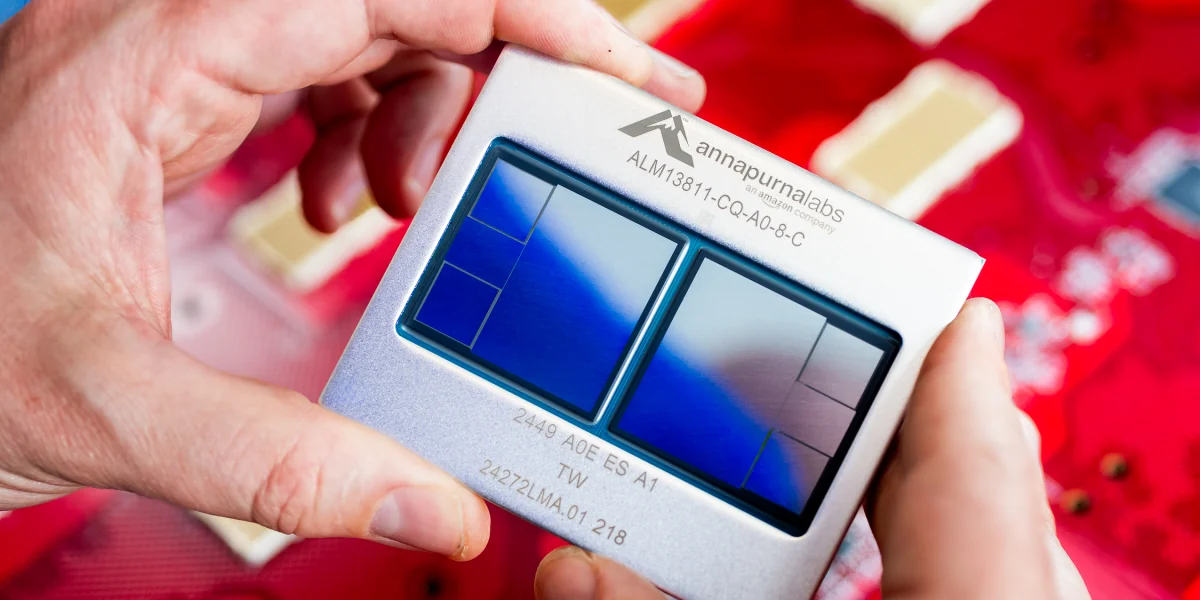
The latest business announcement highlights Trainium, Graviton, and the computing work behind AI agents.
READ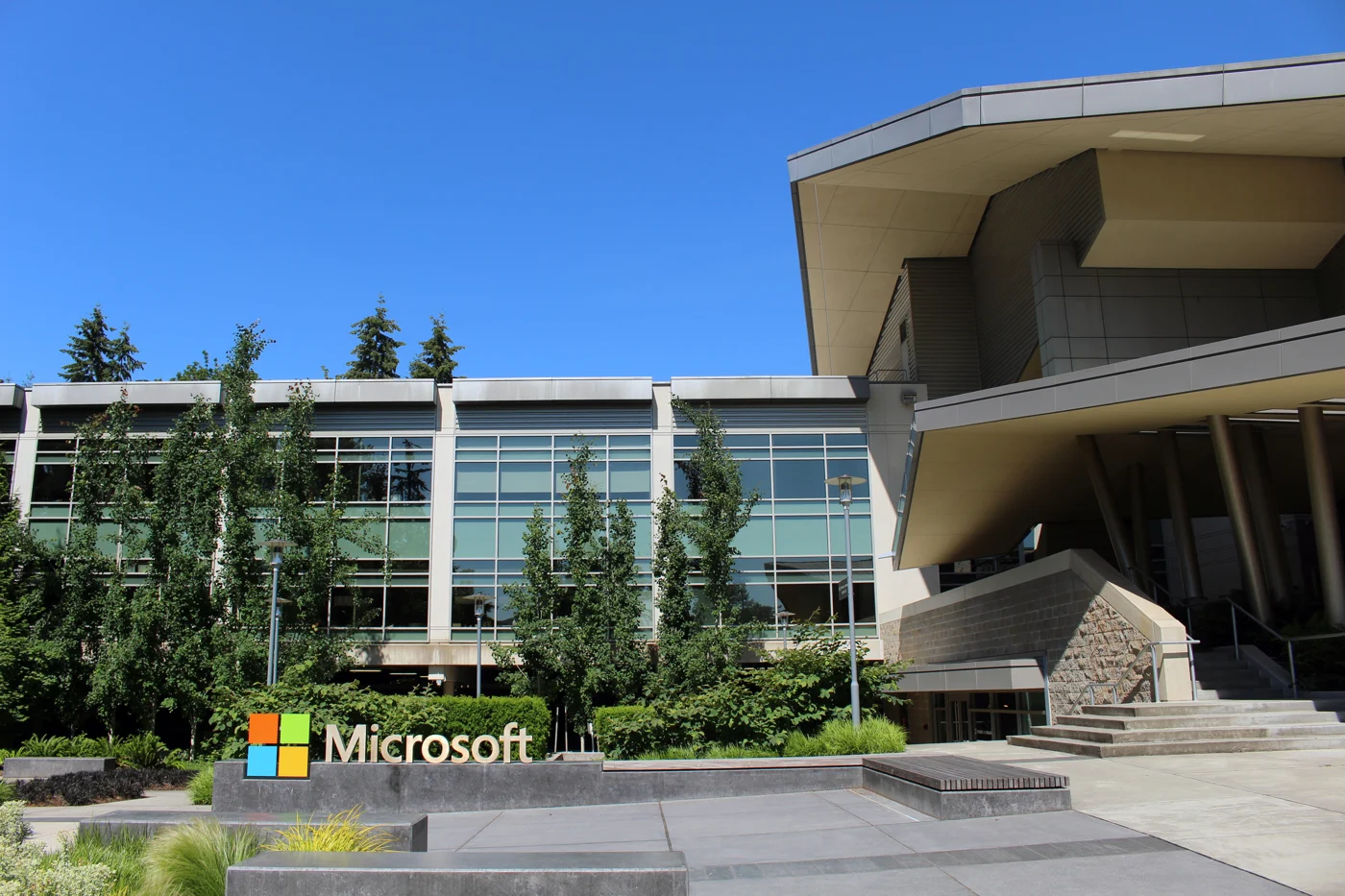
A new research post draws attention to evaluating business AI systems without using customer data.
READ
Project ProtoStar aims to make publicly funded research easier to find and reuse.
READ
The European laboratory emphasizes coding, defensive cybersecurity and running the model independently.
READ
Gemini 4 Carbon targets demanding agentic tasks and cyber defence.
READ
A new announcement connects Vera Rubin systems, CPU capacity and data center expansion plans.
READ
METR and Redwood Research published findings from a limited review of internal agent infrastructure.
READ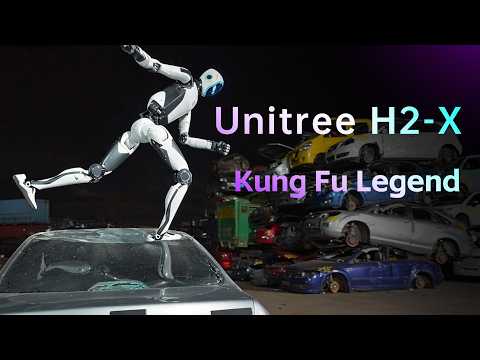
The latest selected video from the manufacturer’s official channel was published on 21 October.
READ
METR distinguishes a low-risk assessment from evidence that safeguards are strong enough.
READ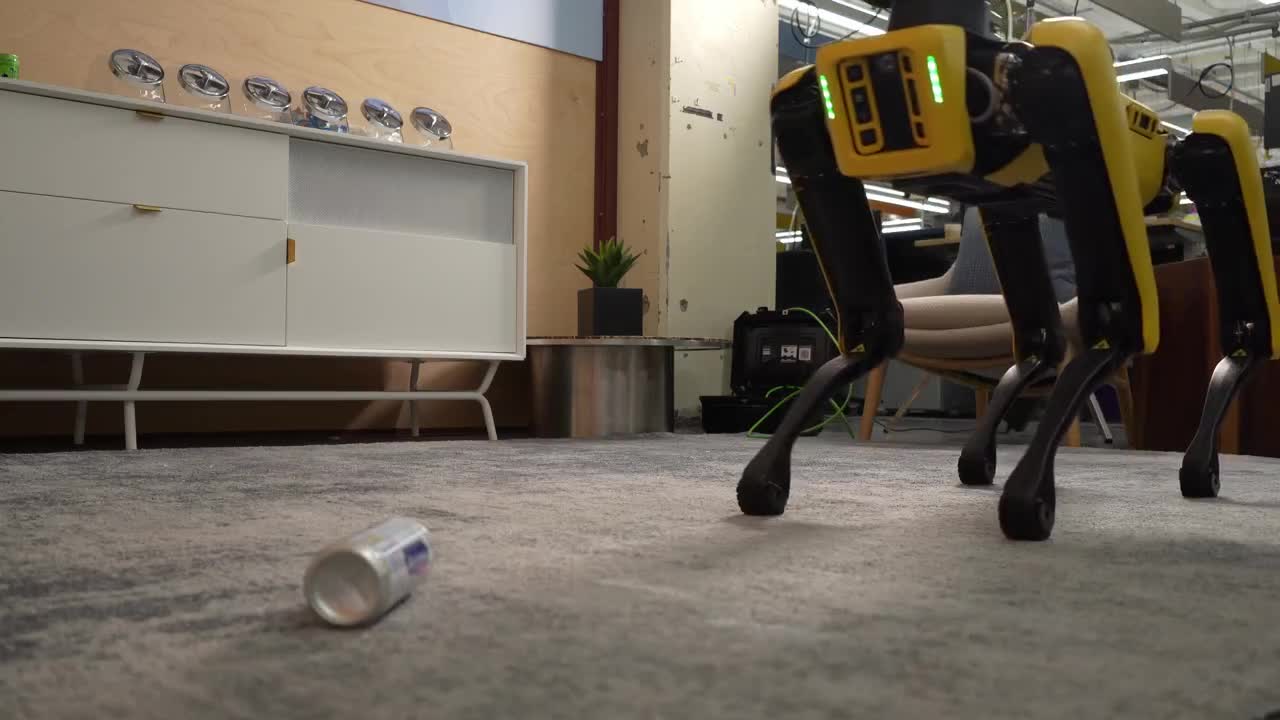
Google’s demonstration shows planning for contact, balance and position checks.
READNo reports match your selection. Try another topic or search term.