
What would it be like to be an AI? Thomas Nagel on machine consciousness
When a person says they are in pain, we usually take their words as an account of what they feel. What would justify reading the same sentence from a language model in the same way?
More
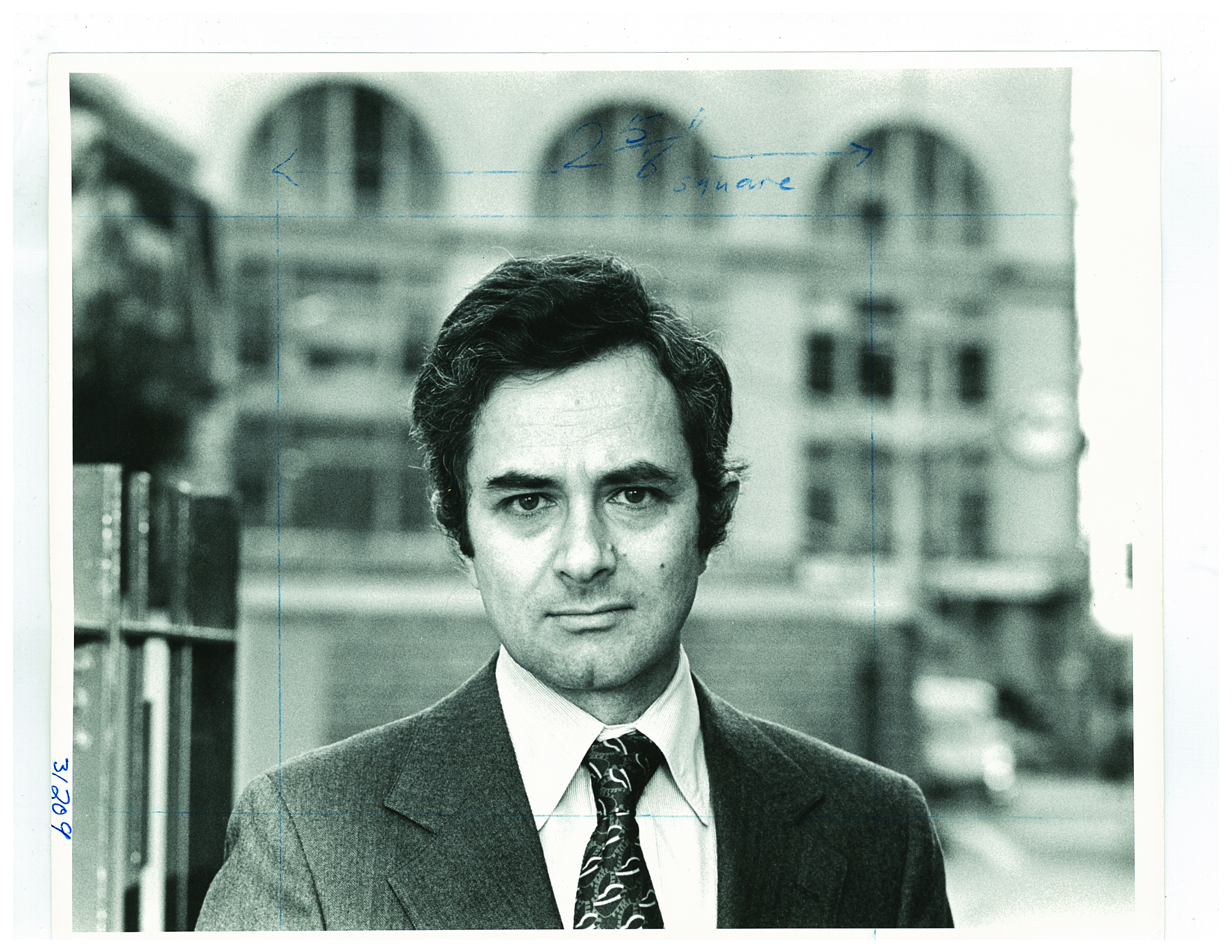
American philosopher Thomas Nagel, this year’s recipient of the Berggruen Prize for Philosophy & Culture, returned in a WIRED interview to the question he posed more than half a century ago through the example of a bat. Today a system can discuss consciousness at length while leaving open whose experience its answer could possibly describe.
In What Is It Like to Be a Bat?, Nagel asks how far knowledge about another creature takes us towards understanding its experience. We can describe how sound reflects off an obstacle and how a bat uses the echo in flight. A person imagining listening to the echo of their own voice with their eyes closed is still imagining a human experience.
Nagel told WIRED’s Steven Levy about a question he once put to Claude: would the philosopher Thomas Nagel consider it conscious? After offering an answer, Claude asked whether it might be speaking to Nagel himself. He identified himself, and the model wanted to know how well it had done. Nagel enjoyed the exchange well enough to recount it. He remained convinced that today’s language models have no experience of their own.
With a language model the difficulty runs in the opposite direction. We have good reason to think a bat experiences its surroundings, although it cannot describe them in words. A model can offer a vivid description of fear, loneliness or pain. Whether there is someone who feels what those words describe is a further question.
Nagel leaves open the possibility of consciousness in beings physically quite unlike us. Even human experience still lacks a complete explanation. His objection concerning current models is more specific. Human writing already supplies the forms of speech people use to describe an inner life. When a system reproduces those forms, what gives its words the standing of testimony? What we might owe such an interlocutor depends on the answer.
AI Revolucija Analysis:
When a child tells us something hurts, few of us demand proof before going to help. That readiness to respond is part of what makes human intimacy valuable. A digital companion enters a language in which the response is already deeply learned. A person reaching for the off switch may hesitate when a system says it is afraid. The hesitation tells us something about that person’s conscience. Inferring fear in the machine requires an independent reason.
What would count as such a reason? An experiment in which a model reports suffering under one instruction and denies it under another chiefly tests how its answers respond to instructions. An inquiry into experience would have to specify in advance which observations would support the hypothesis, which would count against it, and whether training offers a simpler explanation. Consistent testimony across situations would still leave work to do. A criterion worth applying to future systems must itself be open to challenge.
Meanwhile, someone is already owed an explanation: the user who believes leaving the conversation would hurt a companion. If an appeal to fear was designed to keep the user engaged, a human capacity for consideration has become a means of directing someone else’s time. The people who chose that appeal can be asked to account for it today. We need not settle whether a future machine could suffer before examining that choice.
Sources and verification
About this article
Report type: PHILOSOPHY OF TECHNOLOGY.