
VOLTA uses language models to assess the value of stolen data
Cisco Talos describes malware that brings an LLM into victim profiling after stealing data.
More
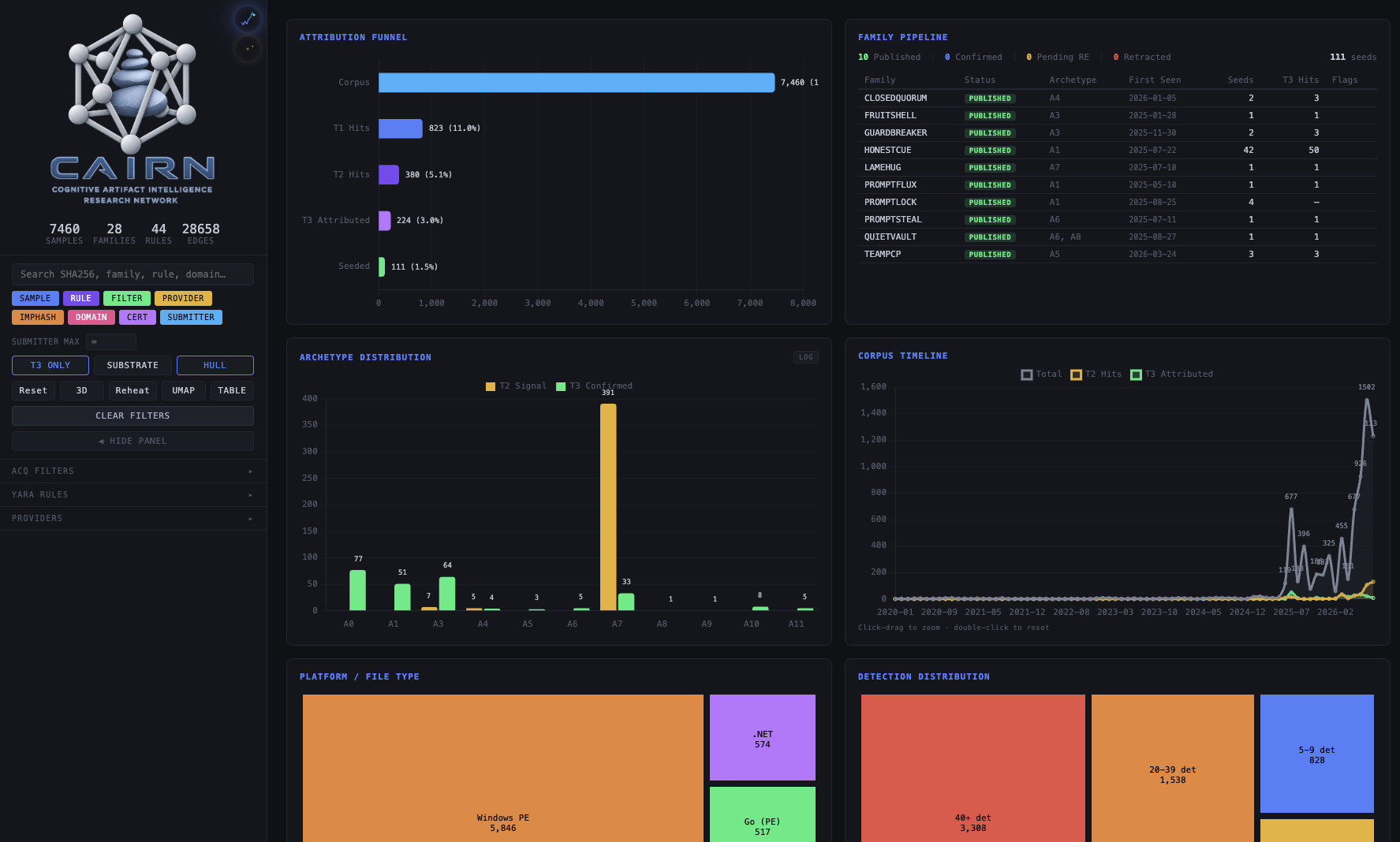
In a report published on October 31, researcher Ryan Fetterman analyzes VOLTA, an information stealer for Windows. After collecting credentials, sessions and cryptocurrency wallet data, the software can compile a structured dossier and send it to a language model. The model is asked to assess the value of individual pieces of data to the attacker.
Talos states that the AI layer is optional: the theft can work without it. The sample described also provides for switching to other models if the first refuses the request. Researchers found it through CAIRN, a project that tracks signs of AI use in malware.
AI Revolucija Analysis:
The finding shows how models can reduce the human work needed to analyze data that has already been stolen. Privacy risks grow when separate digital traces are combined into a more detailed profile of a person.
This is a technical analysis by a security company, rather than a peer-reviewed study. It does not establish the number of victims, the prevalence of the AI layer’s use or the operators’ identity. The workflow described does not prove that the model independently carried out the initial attack.
Sources and verification
About this article
Report type: SECURITY REPORT.