Musk predicts robot surgeons: what does the evidence show?
Musk’s January 2026 remarks are circulating again. We compare his forecast with surgical-robotics research and questions of responsibility.
More
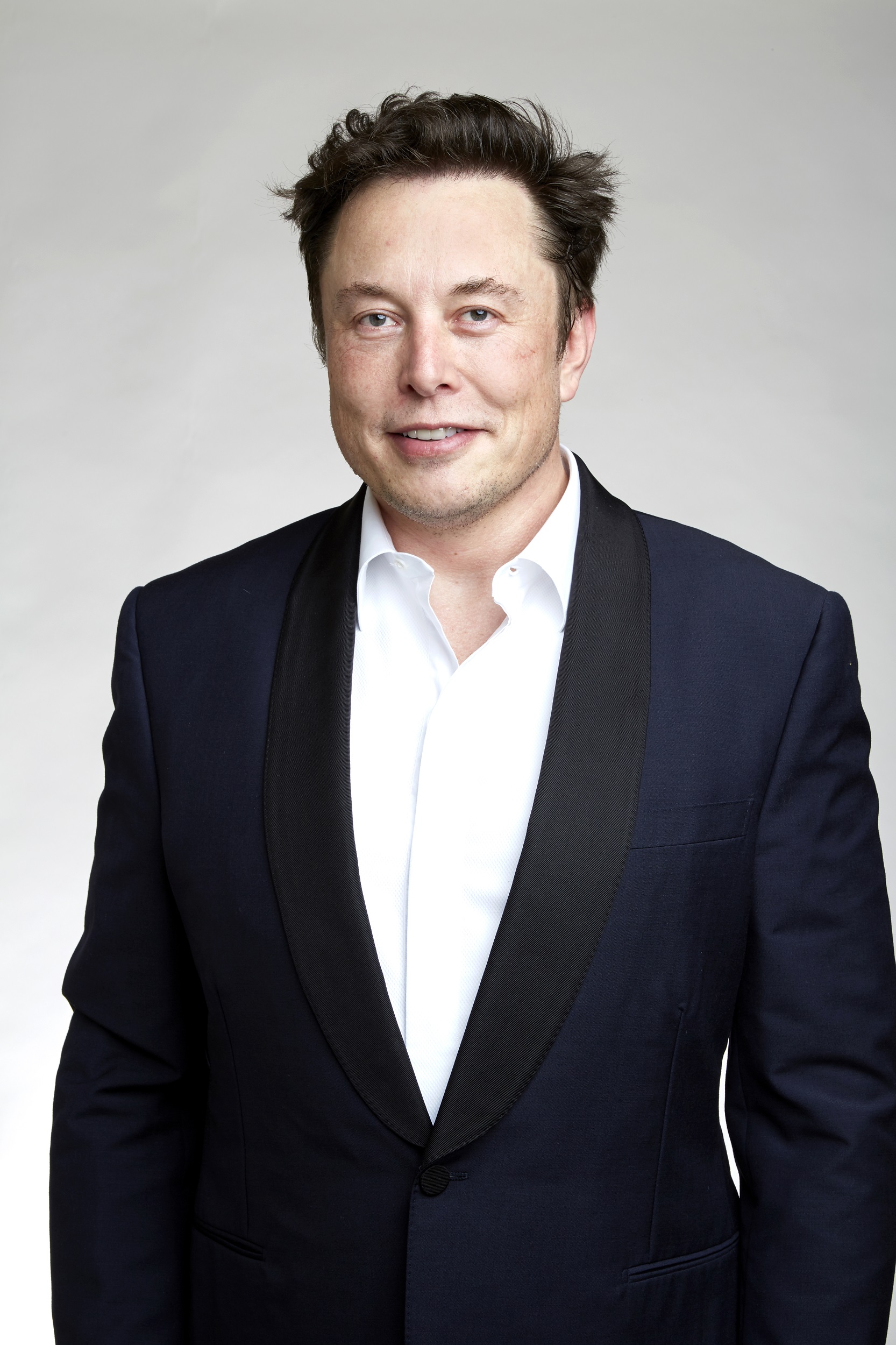
Elon Musk predicted that Tesla’s Optimus humanoid robot could outperform the best surgeons within three years. The remark comes from a Moonshots podcast interview published on 6 January 2026. It is a prediction, not evidence of clinical capability.
Asked about the timeline by Peter Diamandis, Musk initially answered three years. He subsequently expressed uncertainty and mentioned four to five years. When his interlocutor concluded that people should therefore not attend medical school, Musk agreed. The viral headline omits that uncertainty and turns the exchange into a much firmer promise.
There are genuine research advances. In July 2025, Johns Hopkins presented SRT-H, a system that autonomously performed a complex stage of gallbladder removal in experiments on pig cadavers. It learned from procedure videos and textual task descriptions. It adapted to changed conditions in testing, but worked more slowly than a human surgeon.
Those results concern a specific procedure under experimental conditions. They do not show that Optimus can operate on patients or that one system can replace surgeons across medicine. SRT-H and Optimus are different projects.
Successfully performing part of an operation does not automatically establish the safety of an entire treatment. Claims of replacing surgeons would require evidence of reliability across clinical situations, management of complications and patient outcomes. This archival analysis separates the January prediction from that earlier research.
AI Revolucija Analysis:
Medicine is not exhausted by precision of movement. Deciding whether to operate, explaining options and listening to patients’ values require judgement about a particular person’s welfare. Technical execution may be automated without resolving who justifies a decision and answers for its consequences.
Automation may reduce workload and widen access to care. Ethical assessment must nevertheless address the distribution of benefits: who can access the systems, who controls their data and whether patients understand technology’s role in their treatment. Technical possibility does not automatically produce equitable access.
Claiming medical education is pointless reduces medical knowledge to executable tasks. More complex systems may increase the need for experts able to recognise errors, assess recommendations’ limits and take responsibility. Delegating a procedure is not the same as delegating moral responsibility.
The public promise also comes from an entrepreneur whose company develops the robot. That interest does not disprove the prediction, but makes the distinction between promotion, research results and clinical evidence essential. Trust in medical technology should rest on verifiable outcomes and responsibility towards patients.
Archival analysis of remarks from 6 January 2026 and research from July 2025. The sources do not establish the predicted timeline for replacing surgeons.
Sources and verification
About this article
Report type: ARCHIVAL ANALYSIS.