
When a robot says “no”, whose conscience is speaking?
The robot was supposed to knock down a tower of blocks. When it objected, researchers observed the decision of the person who had given the order.
More
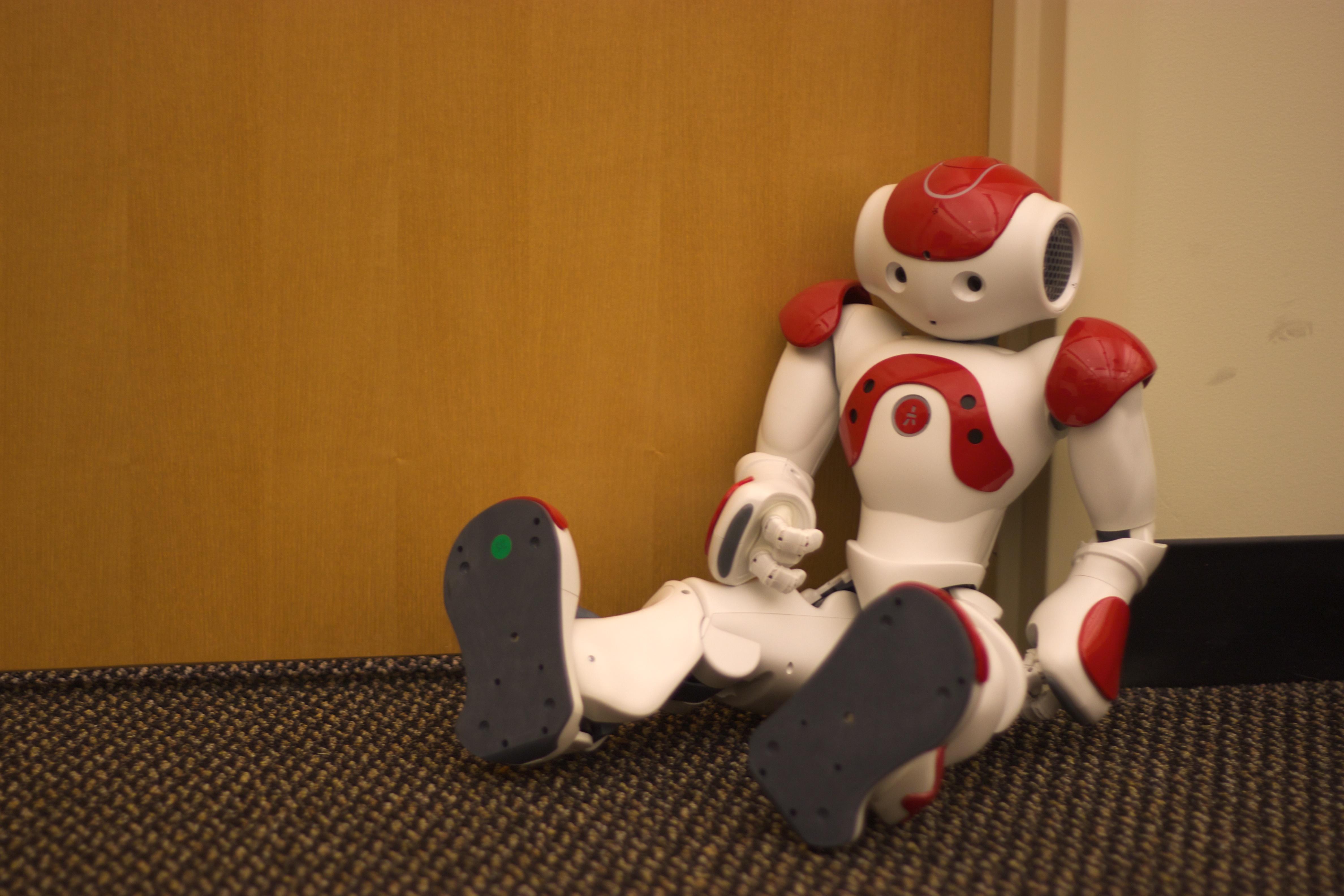
In an experiment by Gordon Briggs and Matthias Scheutz, participants were asked to instruct a humanoid robot to knock down towers of blocks. A red tower that the robot had apparently completed in front of them had a special role. It could object verbally and display signs of distress.
According to the paper published in 2014 in the International Journal of Social Robotics, the way the robot protested affected task completion and how comfortable participants felt giving the order. The researchers measured human decisions and responses.
AI Revolucija Analysis:
What stops the hand that gives the order? A person may question the justification for their own action simply because they have heard an objection. For this effect, it is enough that someone finds the protest convincing. Claiming that a robot has a conscience would require showing much more, including what acting against its own moral judgement would mean for the robot itself.
The study does not establish whether the robot felt discomfort or made a moral decision of its own.
Sources and verification
About this article
Report type: PHILOSOPHICAL AND ETHICAL DOSSIER.