
Harari warns the Philippines that dependence on foreign AI could open a new imperial age
A country can own its schools, hospitals and communication networks and still lose control over decisions made within them, historian Yuval Noah Harari warned in a conversation with Nobel laureate Maria Ressa.
More
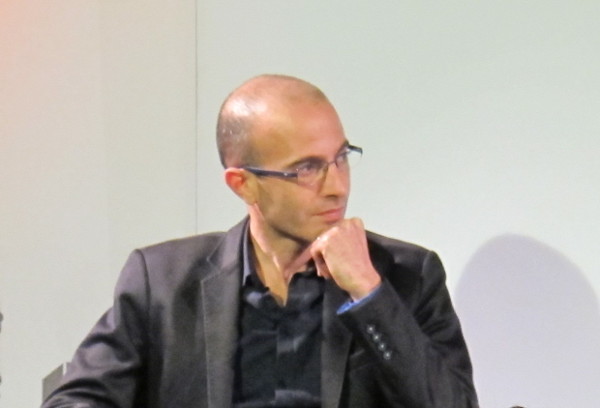
Harari spoke with Rappler chief executive Maria Ressa in a recorded conversation screened on November 21 at the Social Good Summit in Taguig, in the Philippines. They discussed what it means for a country to entrust parts of its infrastructure to AI systems developed abroad.
Harari linked this dependence to the prospect of a new imperial age. Decisions that matter to citizens could increasingly depend on systems over which their own institutions have little influence.
Harari drew on the Philippines’ long experience of foreign rule to explain his choice of the word empire. The question he put to a Filipino audience was whether dependence on AI developed overseas could again leave consequential decisions in the hands of powers beyond its borders.
He illustrated the distinction with nuclear energy. However powerful the technology, people decide where and how to use it. An AI system can also select a course of action once it has been given a goal. For Harari, that capacity makes it an actor in the decision itself.
In Harari’s account, AI can choose how to act. Delegating a decision therefore transfers some of the power previously held by the person making it. For governments, this raises a question about who can review decisions once a foreign system enters public service.
Harari rejected the idea that this outcome is inevitable. How much authority countries delegate still depends on the choices of their citizens and institutions.
The conversation also turned to language. Harari asked what remains of our freedom if machines increasingly command the words through which we describe ourselves. He left his audience with a question about human experience. What can a person still recognise about themselves when they set those words aside?
AI Revolucija Analysis:
Consider a Croatian school buying an AI tutor from abroad. Teachers choose the curriculum, but the supplier might later change what the tutor remembers about a pupil or when it refers a child to an adult. Could a teacher detect that change, explain it to a parent and have it reversed? The procurement contract determines how much power the school retains to answer for the education it provides.
Suppose a pupil spots an error in the tutor’s explanation. Can the teacher see the answer as the pupil received it, establish why it appeared and correct it for the rest of the class? That small classroom incident puts a concrete test to the idea of sovereignty. The institution responsible to the child needs the authority and the practical means to put things right.
Sources and verification
About this article
Report type: SOCIETY.