
Google’s prototype in orbit sends its first AI response: what the test actually proves
Project Suncatcher ran the Gemma 4 model on a TPU aboard a satellite. Reliable space-based data centres remain a long way off.
More
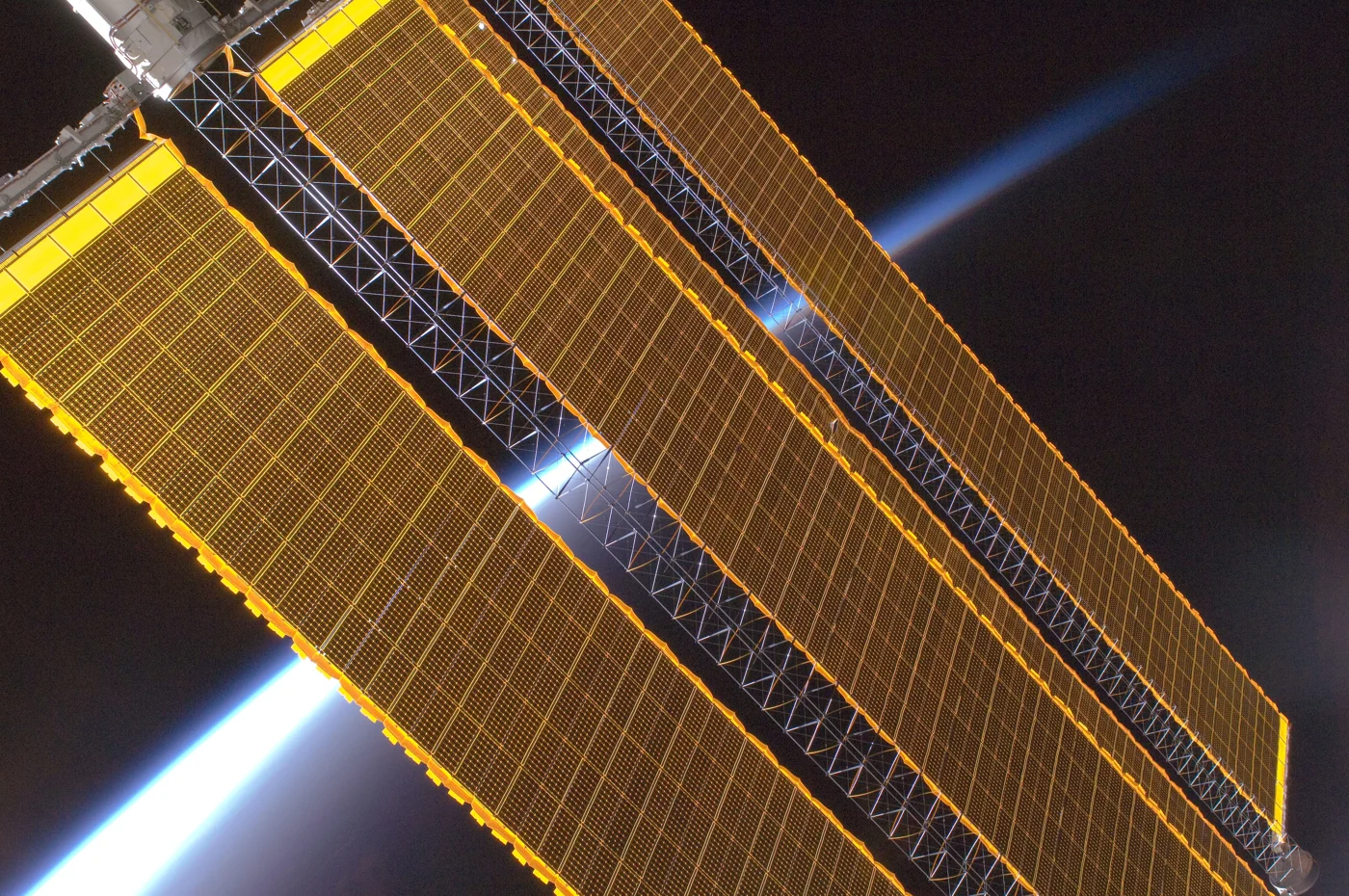
On 30 October, Google announced that its Suncatcher research prototype had returned its first AI model response from orbit. The satellite was launched on 1 October. After powering up the system and running initial tests, the team sent a query to the Gemma 4 model on a data-centre TPU during a pass near a ground station. The response arrived during a pass over Svalbard.
The first task was to compose a haiku about space. Further text and telemetry tests followed. Google says the next step is to test chip operation under thermal stress and radiation, and it plans two interconnected satellites for 2027.
AI Revolucija Analysis:
The race for AI infrastructure is extending to orbital experiments. A successful individual computation opens up the research question of feasibility, but economic and environmental assessments require much more data.
The result is described by Google itself. The published test does not prove long-term reliability, lower cost, sustainability, or the ability to replace terrestrial data centres. Plans for 2027 remain an announcement.
Sources and verification
About this article
Report type: OFFICIAL RESEARCH TEST.
