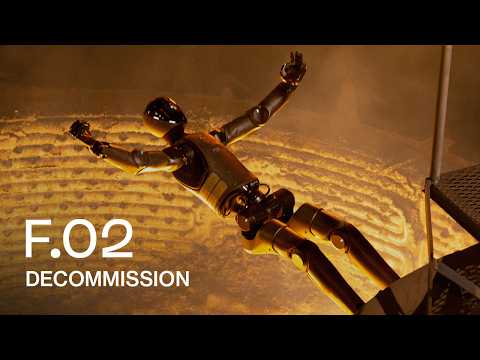
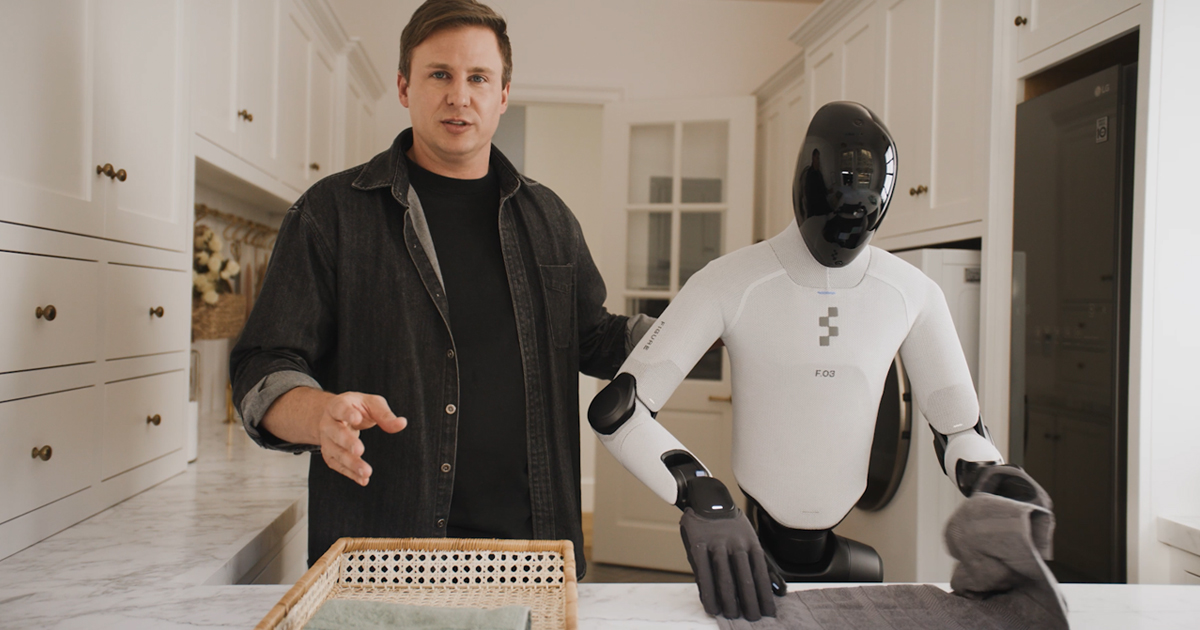
Figure humanoids share a campus with employees
Footage shows Figure humanoids moving among employees at the company’s campus, raising questions about trust, autonomy and robots in human spaces.
More
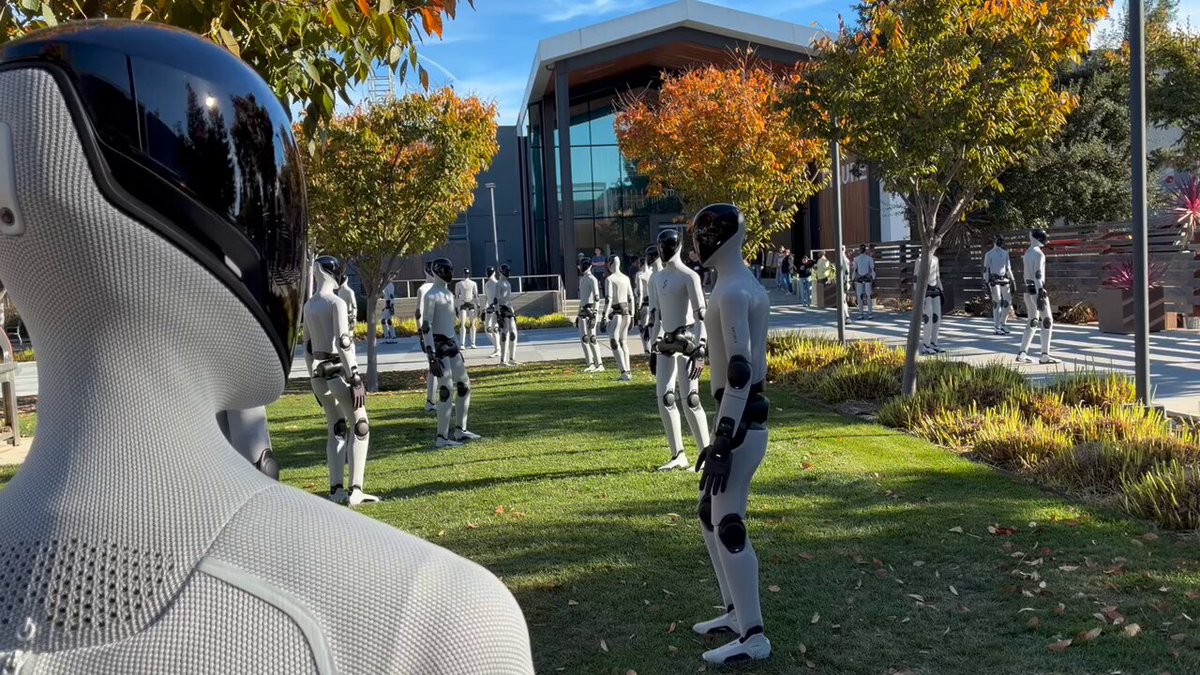
Humanoid robots stand and move among employees in footage from Figure’s campus. Founder and chief executive Brett Adcock posted it on 7 November 2026 with the brief description “F.03 humanoid robots”. The original video, around a minute and a half long, is available below.
The footage takes viewers through outdoor and indoor campus areas, where Figure 03 robots appear alongside employees. Its focus is their presence in a shared space: walking, standing and moving through the building and its surroundings.
Adcock’s post offers a glimpse of the company’s robot fleet. A fuller assessment requires information about tasks, autonomy and operator assistance. Those details do not accompany the footage.
Figure humanoids share a campus with employees
Brett Adcock / Figure · frame from the original video on X · 2026-11-07
Video source: Brett Adcock / Figure. This is footage from the manufacturer’s campus, without independent tests of workplace performance.
Open the original video ↗AI Revolucija Analysis:
The sight of humanoids among employees also has communicative power: it presents a future of human–robot coexistence as something already ordinary. By publishing these scenes, technology companies shape expectations about workplaces and the machines that belong in them. Who shapes that future, and how much say do the people who will live and work with these systems have?
Human-like form matters for trust. A body, gait and position in space can encourage us to attribute understanding, intention or a social role to a machine. This raises a design question: does humanoid appearance help people cooperate more clearly with a system, or encourage expectations it cannot meet? Trust should rest on intelligible capabilities and limitations, not merely a convincing performance.
In the workplace, autonomy also concerns power and responsibility. Who sets the robot’s tasks, who can stop it and who bears the consequences of error? If a robot records its surroundings or collects information about people, the purpose, access arrangements and employees’ ability to object need clarification. These are assessment criteria, not claims about practices shown in this video.
Humanoid robotics should also be judged by its contribution to working conditions: whether it reduces danger and physical strain, preserves human decision-making and distributes automation’s benefits and costs fairly. Figure’s footage provides an occasion for that discussion. Establishing social progress requires workers’ experiences, measurable outcomes and clear responsibility as well as an impressive scene.
Video source: Brett Adcock / Figure. This is footage from the manufacturer’s campus, without independent tests of workplace performance.
Sources and verification
About this article
Report type: VIDEO / ROBOTICS.