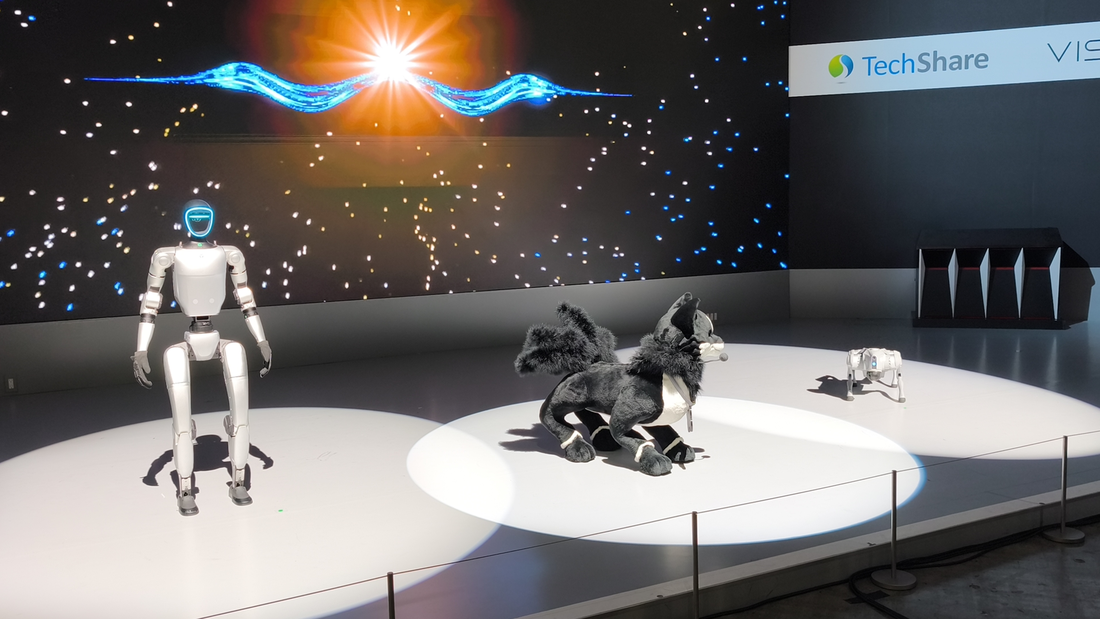
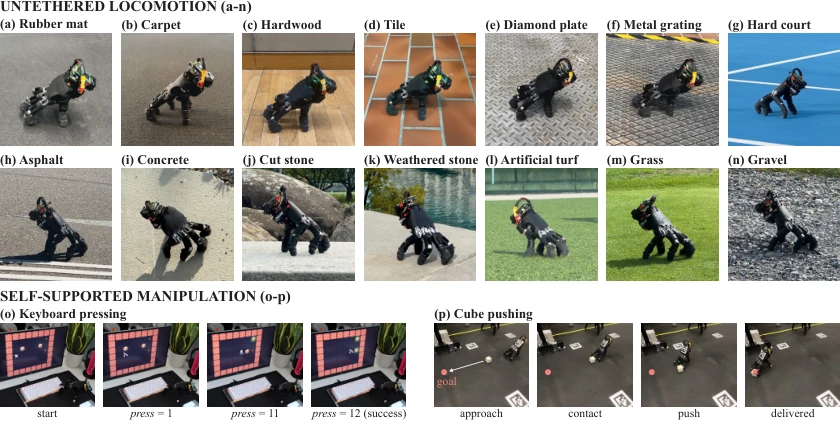
The robot can dance. Can you count on it at work?
A new Reuters report from China raises the question behind the striking videos: how does a robot learn a task, and who checks its work?
More
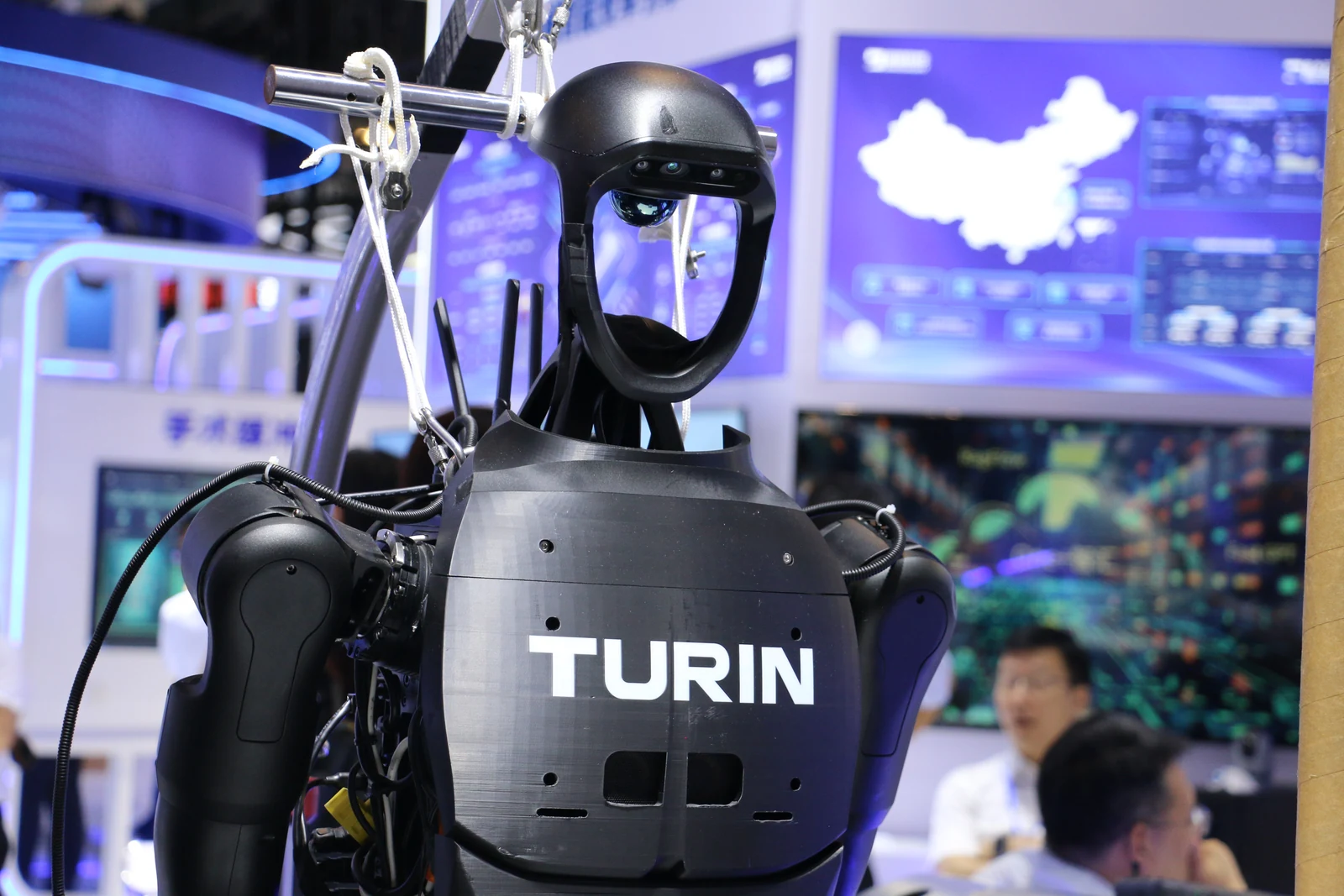
Robots connect flexible wires during battery-assembly testing and help process pharmacy orders: these are applications described by Chinese companies in a Reuters report published on 2 November Croatian time. At the centre of the race is software that turns a physical skill into a repeatable work task.
CATL told Reuters it was using Spirit AI robots to connect flexible wires when testing battery assemblies. Robbyant says its robots process orders in two Shanghai pharmacies, where staff check the medicines before dispatch. These are accounts of deployment provided by the companies themselves.
AI Revolucija Analysis:
A robot that performs a task convincingly is not necessarily ready to work among people. What matters is whether it can repeat the procedure under changed conditions, recognize an error and stop safely. A worker beside it must have a real ability to stop it, and the manufacturer must have clearly defined responsibility for malfunctions.
The report is not an independent technical evaluation. The examples do not confirm general autonomy, reliability in other conditions or the availability of these solutions in Croatia.
Sources and verification
About this article
Report type: NEWS FEATURE / COMPANY STATEMENTS / EDITORIAL ANALYSIS.