
A hundred thousand kilometres a day without going on the road. How does Baidu train robotaxis?
Baidu says its new simulator can generate up to 100,000 kilometres of virtual driving a day. What does that figure mean for passengers?
More
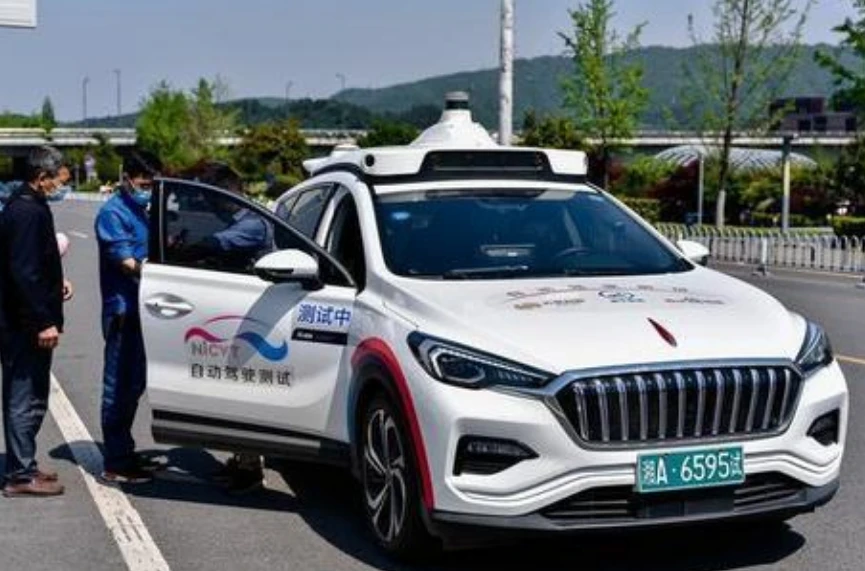
A robotaxi can encounter the same pedestrian again, at the same junction, this time at a slightly different moment. This is one advantage of simulation: a dangerous situation can be repeated without exposing passers-by to a real vehicle.
On 3 November, Baidu introduced Apollo World, a system that builds virtual traffic environments and predicts how they will change. According to Reuters, the real-time simulation generates data resembling what a vehicle receives from cameras and lidar. The company says it already uses the system to train its Apollo Go fleet.
AI Revolucija Analysis:
A passenger agrees to the ride, but a pedestrian crossing the road did not choose the vehicle approaching them. For that person, what matters is not the total distance driven, but whether the tested situations included one in which a child runs out from behind a parked car. Choosing scenarios is therefore also a decision about whose safety the manufacturer puts to the test.
The figure of 100,000 refers to the upper daily simulation estimate given by Baidu. On its own, it does not provide an accident rate on real roads.
Sources and verification
About this article
Report type: AUTONOMOUS VEHICLES.