Anthropic researcher expects superhuman AI by late 2027 and warns of permanent job displacement
Anthropic safeguards researcher Tao Lin sees two different timelines. AI could match leading experts by late 2027, he says. Replacing workers would take longer, especially in jobs that require machines to act in the physical world.
More
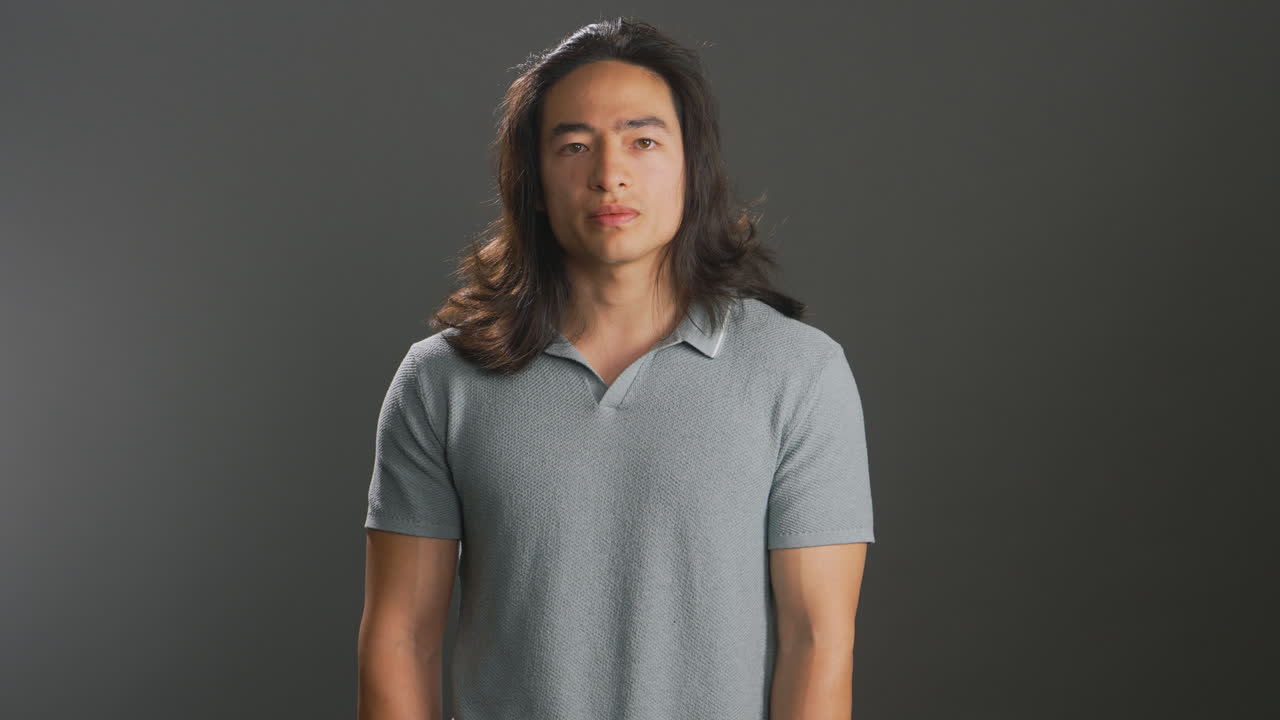
A model that can write a programme or plan a film could arrive well before robots can do the work of a construction crew. That gap matters to Tao Lin’s forecast. In a 63-minute interview released by Palisade Research on November 15, the Anthropic researcher put broadly superhuman AI around the end of 2027. He gave no comparable deadline for the disappearance of paid work.
Lin defines broadly superhuman AI as a system that matches or exceeds top experts in almost every field, including programming, filmmaking and politics. He estimates that such systems could arrive in roughly 1.3 years.
His longer-term forecast for work is stark. Lin believes that nearly everyone could eventually become permanently unable to find paid work and could come to depend on government support.
He expects a gap between the arrival of these capabilities and widespread job losses. According to Kenya’s K24, Lin envisages workers moving from their current jobs into new occupations, only to find that AI has taken over those jobs too. K24 also reports that he expects physical jobs to last longer because replacing workers on a large scale would require far more robots than exist today.
To reduce the risks, Lin wants AI companies to slow research and development to about a quarter of its current pace.
Employment was only one part of the interview. Lin puts the probability that AI eventually removes humanity from the picture at about one in five. This is his personal judgement about a possible long-term outcome. It measures neither the risk of losing a job nor the probability of a catastrophe in 2027.
The forecast is Lin’s personal assessment. He has spent about 18 months at Anthropic, where his work has included alignment research and AI control.
AI Revolucija Analysis:
OpenAI’s Jakub Pachocki, Meta’s Alexandr Wang and now an Anthropic researcher have all pointed to 2027 as a possible turning point. Their convergence tells us something about the assumptions circulating inside frontier labs. It offers little independent evidence for a deadline. Lin’s most useful distinction concerns the distance between a capability and its deployment. Contracts, regulation, costs, the supply of robots and public consent all stand between a demonstration and the replacement of a worker. A deeper question concerns what paid work has provided alongside income: recognition, security and a sense of purpose. Income support can pay for necessities. Where would people find those other goods?
Imagine a hospital where software already drafts a discharge summary. A doctor still checks the prescription, discusses the instructions with the patient and signs the document. Measuring how quickly the system writes the summary answers one question. Deciding who takes responsibility for a wrong dose answers another. Employers confronting precisely that gap will help determine how quickly technical advances reach the labour market.
Sources and verification
About this article
Report type: SOCIETY.