Goncourt winner hid a ChatGPT sentence in his novel
Philippe Jaenada described three ways he used AI. His admission raises the question of what readers should be told about how a literary work was created.
More
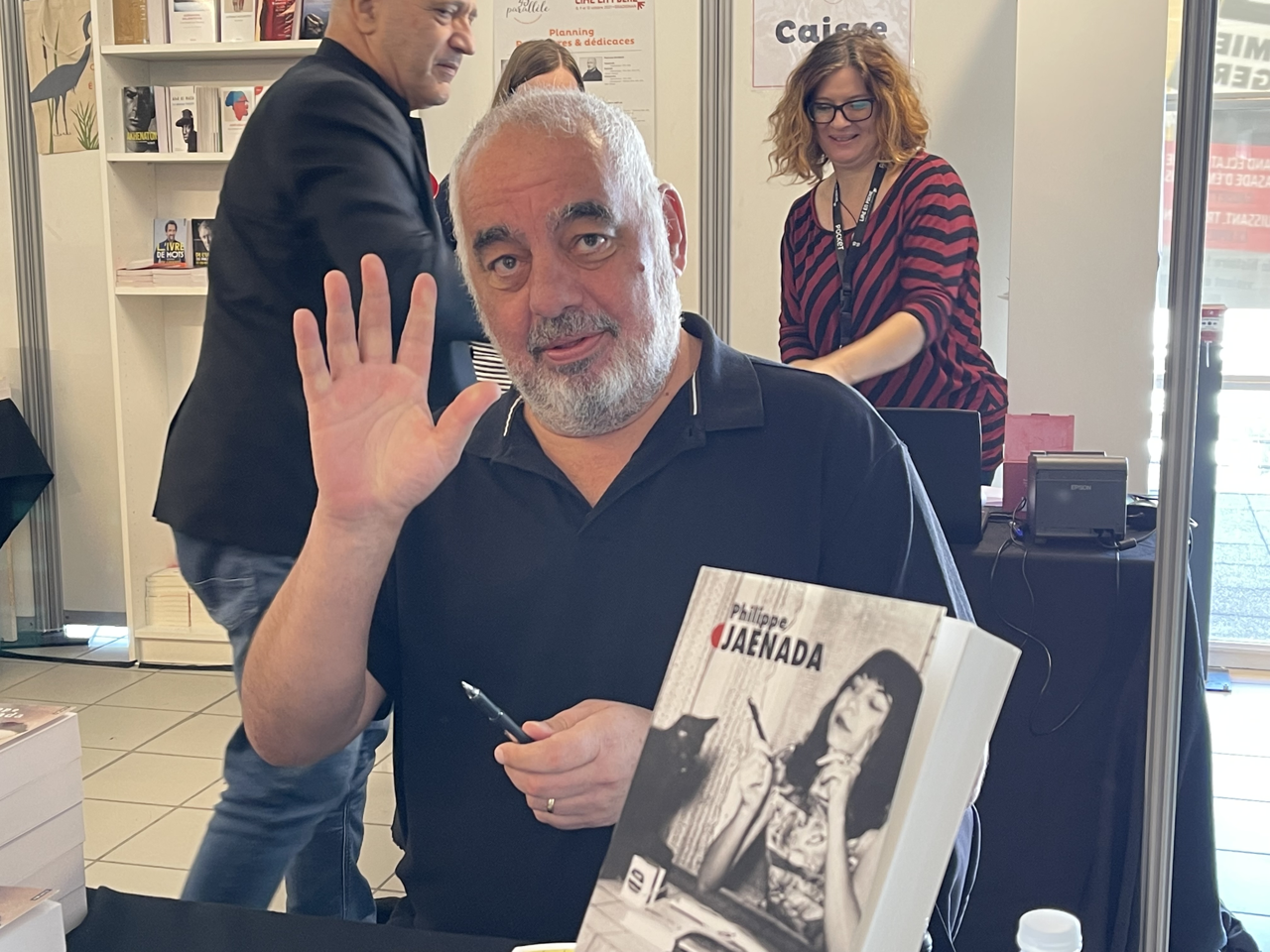
Philippe Jaenada, this year's Goncourt winner, said in an interview with France Inter on 4 November that he had used ChatGPT in the award-winning book. He described three uses: a hidden sentence as a game with readers, an example of an absurd answer, and research assistance. Euronews reported on his statement.
Académie Goncourt confirmed that he received the prize on 3 November. Jaenada's statement does not mean that AI wrote the novel. The writer described limited use of the tool and stressed the importance of acknowledging such assistance rather than pretending the technology does not exist.
AI Revolucija Analysis:
Literary authorship encompasses choice, meaning and responsibility for the work as a whole. A single generated sentence therefore raises a more interesting question than whether a machine can string words together: what does the reader expect to come from the author’s experience, and should they know how the text was created?
The extent of AI use is known from the author’s account, not an independent examination of the manuscript. The literary persuasiveness of a generated sentence does not in itself prove that the system has experience, intention or consciousness.
Sources and verification
About this article
Report type: CULTURE / AUTHOR’S STATEMENT.