AI consumes electricity. OpenAI promises its centers will also be able to reduce consumption
Grid Protectors envisages easing pressure on the US electricity grid at peak load. The announced program has yet to demonstrate results.
More
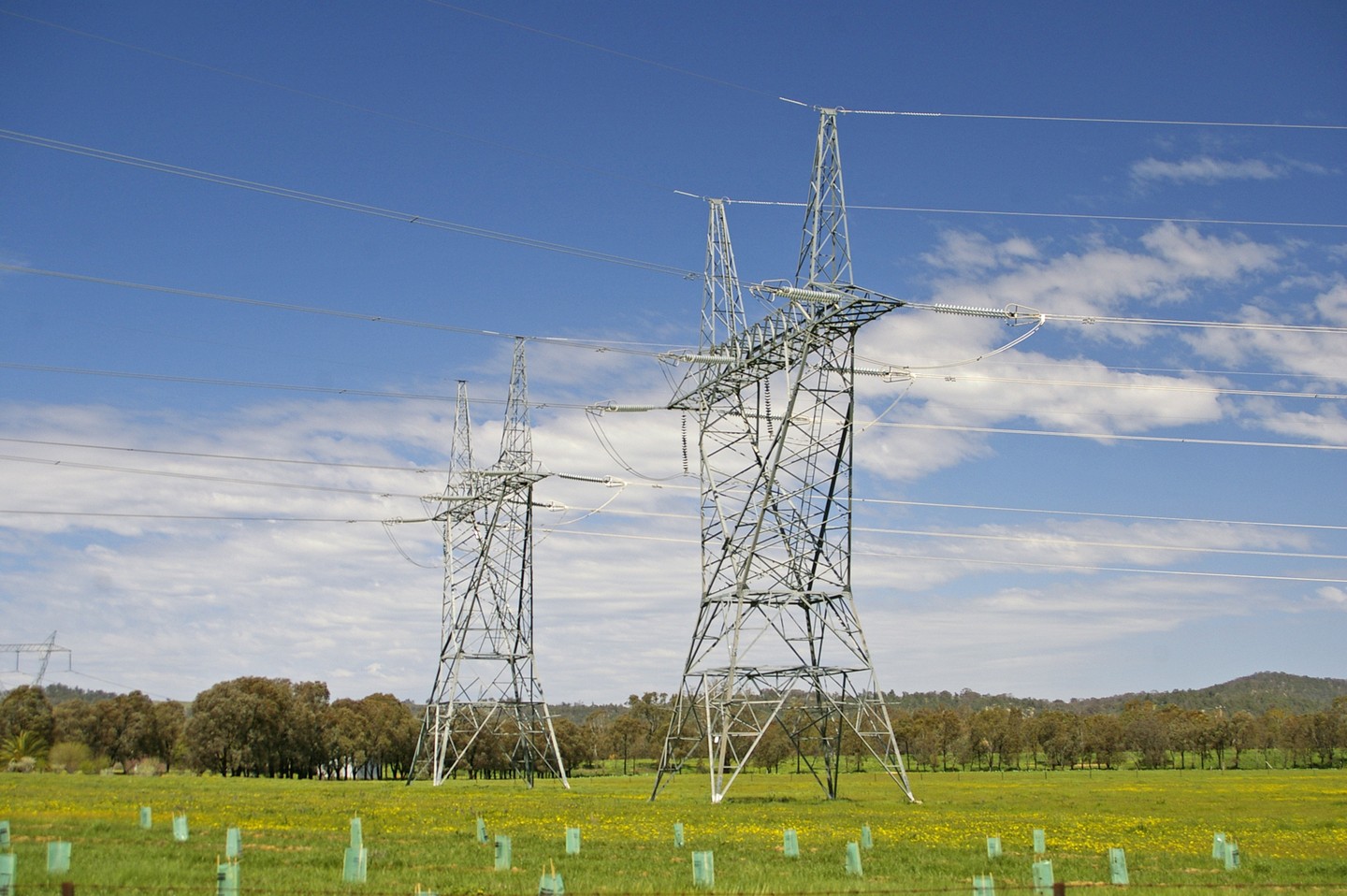
On 2 November, OpenAI announced the US Grid Protectors program. For future computing campuses, it wants to arrange reductions in consumption during periods when the electricity grid is under pressure.
The starting point is a planned campus in Effingham County, Georgia. On 22 July, Georgia Power had already announced an agreement involving up to 1,000 megawatts of flexible demand: the ability to reduce supply to the center when the grid needs relief.
OpenAI says it will pay for its own consumption and required infrastructure. The programme aims to extend the flexible-demand approach from the July agreement to future US campuses. The Effingham site remains under development.
AI Revolucija Analysis:
Flexible demand can help a grid only if reductions arrive when needed. The distinction between announced capacity and an obligation a grid operator can activate therefore matters. Households and smaller businesses have an interest in avoiding weaker service or higher costs caused by AI infrastructure.
A company’s promise to pay its own way should be traceable through the allocation of construction and maintenance costs. Social value lies in whether the centre can operate alongside reliable supply for the community, rather than in its size alone.
This concerns an announcement and contractual capabilities, not the measured effect of the future campus. Claims of lower costs do not guarantee lower bills for every household.
Sources and verification
About this article
Report type: OFFICIAL ANNOUNCEMENT / ENERGY INFRASTRUCTURE.