Whose goal does artificial intelligence pursue? Philosopher Tom Cochrane on the boundary between ability and consciousness
Can a machine have a reason of its own for acting? Cochrane traces the difference between choosing a destination and finding a train.
More
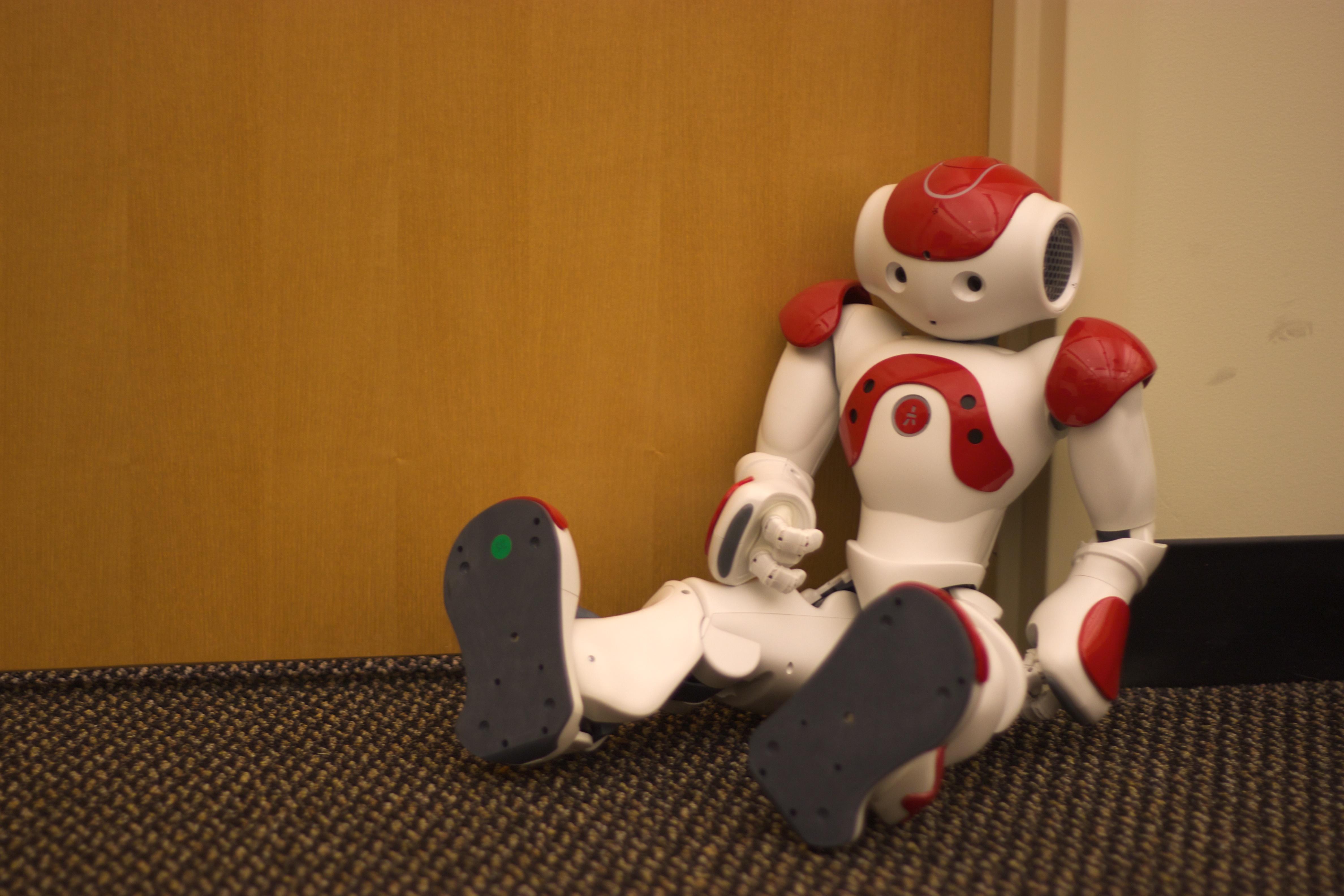
When an AI agent finds an unexpected solution, it is tempting to give it credit for setting out in the first place. Tom Cochrane, a philosopher at Flinders University, pauses at precisely this point. In a 9 November essay for The Conversation, he asks where the purpose guiding all those steps comes from. His answer bears on the debate about consciousness and on a more immediate question of responsibility.
What makes a thought a thought? Cochrane starts with intentionality, a concept developed in philosophy by Franz Brentano. Someone who fears they have lost their keys is afraid of something quite specific, even if the keys have been in their pocket all along. We can be mistaken precisely because our thoughts are about something. Before asking whether a computer has conscious experiences, Cochrane therefore asks in what sense the information it processes has meaning for the computer itself.
Imagine asking an agent to arrange a journey. If a train is cancelled, it can find another connection and change the booking. Choosing the second train is a genuine contribution to solving the problem. Yet the traveller supplies the reason anyone needs to reach Zagreb that morning. Cochrane argues that even the most elaborate intermediate goals of today’s agents derive their meaning from human purposes. He leaves open the possibility of consciousness in a future form of artificial life.
Why bring an ant into the argument?
Near the end of his essay Cochrane draws an unusual comparison. In his view, we have better grounds for attributing consciousness to an ant than to a present-day AI agent. An ant may have a modest repertoire of behaviours, but how it moves through the world has consequences for its own life. The food it finds and the danger it escapes matter to that living creature. When a computer program distinguishes success from failure, we can still ask whom that difference matters to. The ant illustrates how hard it would be to settle the debate by treating each harder task as another rung on a ladder towards consciousness.
This also suggests a limit to Cochrane’s argument. He allows that some future artificial life form might develop goals of its own. A reader who wants to challenge him therefore faces a harder question than whether a computer can outperform a human at a particular job. Must a system be alive for anything to matter to it? The conclusion of his essay turns on that premise.
AI Revolucija Analysis:
The most interesting objection to Cochrane comes from ordinary experience. A doctor on call takes on a task assigned by someone else. Few would question her consciousness on those grounds. The weight of the argument falls on the word “own”. The doctor can judge an instruction unsound, explain her refusal and answer to the patient. Could an experiment establish when an artificial system has a reason of its own for acting? Cochrane offers a philosophical criterion. How we could apply it reliably remains open. In the meantime, “the agent decided” offers little explanation to the person who must live with the consequences.
Sources and verification
About this article
Report type: NEWS.