
AI helps conservation teams. How can its environmental cost be measured?
A digital alert becomes useful only when it reaches people who can act. An effective tool must also justify its own resource consumption.
More
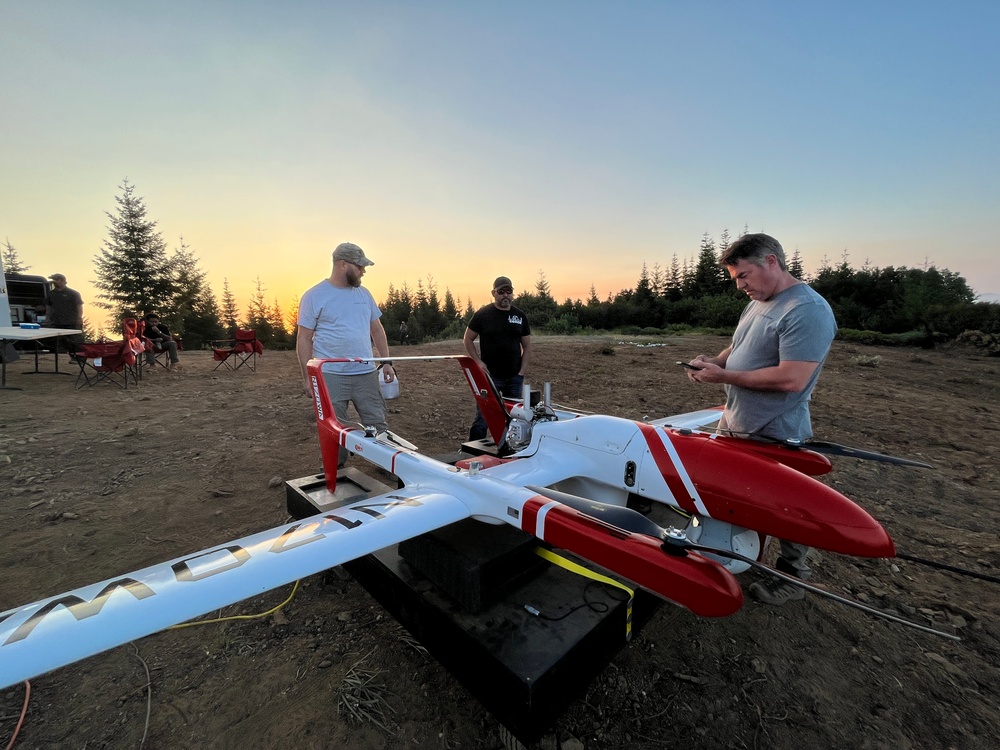
Members of the Ou Taprok patrol in Cambodia received fire coordinates from a satellite-alert system and stopped the fire while it was still small, according to Conservation International. The example shows how digital threat detection can assist people protecting nature on the ground.
The organisation described its project around Tonle Sap lake on 22 June. Developed with OroraTech, the system detects heat signals and sends locations to local patrols. Its account says the collaboration involves 17 local groups and 70 trained community members.
Reuters reported on 7 November that all 15 environmental, development and conservation organisations it interviewed use AI while expressing concern about its environmental burden. Their experiences expose a dilemma: how can the benefit of earlier warnings be compared with the energy and resources needed to operate the technology?
The distinction matters: an earlier warning can help an intervention, but it does not extinguish a fire by itself. Success requires people, knowledge of the terrain and the ability to reach the location promptly.
AI Revolucija Analysis:
An environmental benefit cannot be demonstrated simply by showing that AI processes data faster. It is necessary to show that the additional information changed an outcome: a patrol arrived earlier, a fire was stopped or a habitat-protection decision improved. That effect must then be compared with the energy, water and equipment required for the same task, including simpler alternatives. Meanwhile, residents of the area being protected must not become mere executors of someone else’s algorithmic assessments: their experience must be able to correct a digital alert. Justified technology use here begins with a concrete community need and ends with a verifiable improvement in conservation—not a count of images processed.
The Reuters interviews do not measure AI’s net environmental impact. The account of the Cambodian project comes from Conservation International. It has not been established that an individual tool’s environmental benefits outweigh all the costs of its infrastructure.
Sources and verification
About this article
Report type: REUTERS REPORT / ACCOUNT OF A FIELD PROJECT.