Alexandr Wang says superintelligence is arriving and the next year is crucial
Meta’s chief AI officer draws on a mathematical proof developed with Claude to argue that the coming year could shape who controls the next generation of AI.
3 min read ↗Independent testing, open knowledge, the public interest and the limits of autonomous systems.
When a system makes a mistake, where can someone affected by its decision turn? We examine safety testing, the right to challenge decisions and the responsibility of those deploying AI.

Meta’s chief AI officer draws on a mathematical proof developed with Claude to argue that the coming year could shape who controls the next generation of AI.
3 min read ↗
Chief scientist Jakub Pachocki wants frontier laboratories to agree when to pause and what evidence would justify resuming development.
3 min read ↗
Choi Kyo-jin accepted responsibility for preparations for the university entrance exam. The case shows how fears about new technology are changing rules and students’ experience.
3 min read ↗
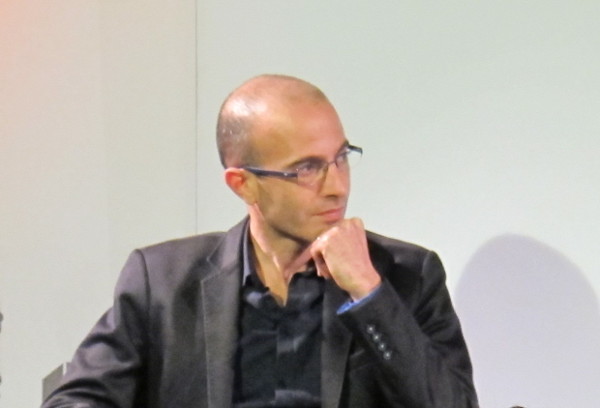
A country can own its schools, hospitals and communication networks and still lose control over decisions made within them, historian Yuval Noah Harari warned in a conversation with Nobel laureate Maria Ressa.
2 min read ↗
States have agreed to negotiations in 2027 and 2028. Whether the resulting instrument will be legally binding remains unresolved.
3 min read ↗
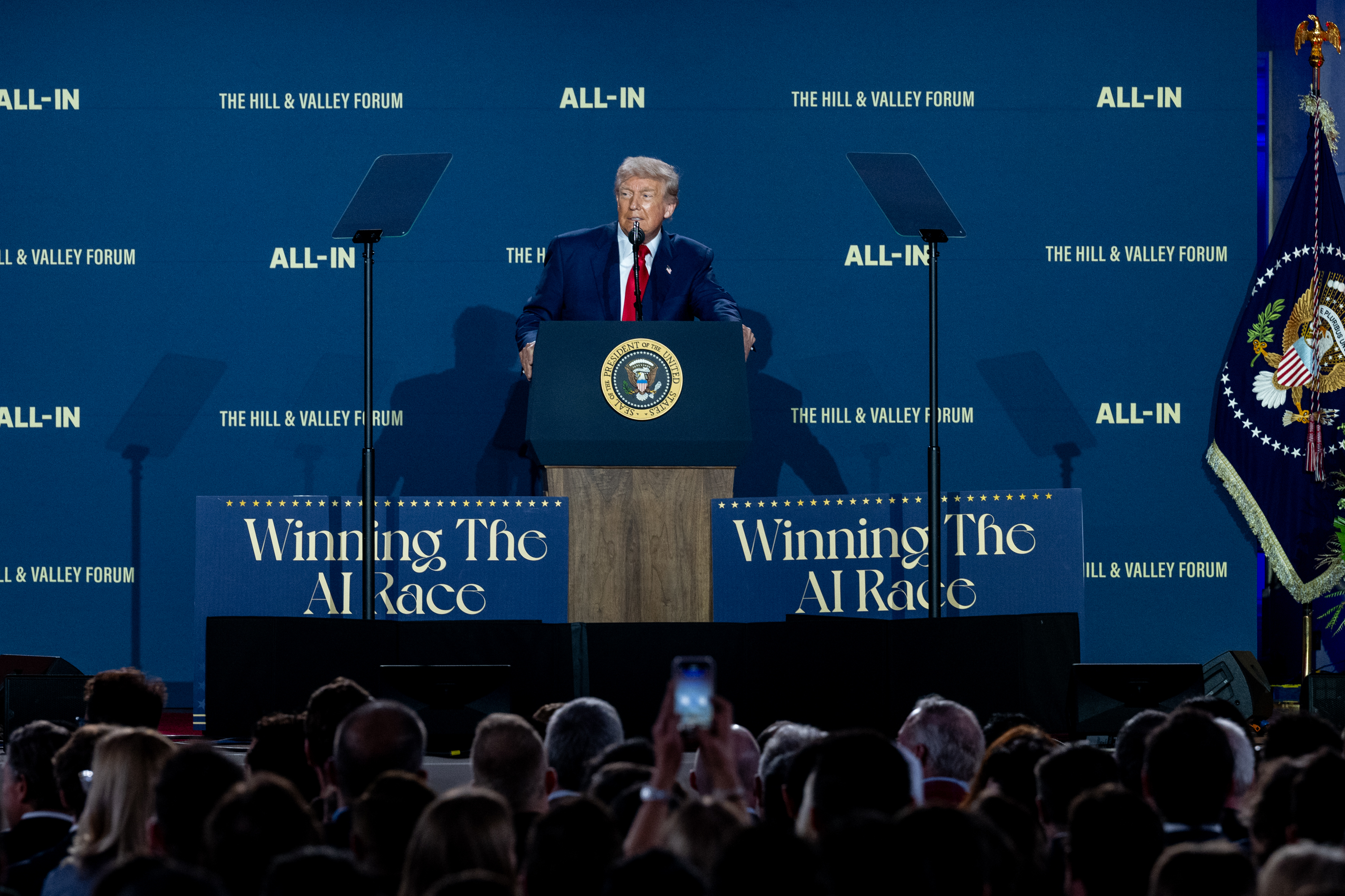
Encryption protects a message in transit. Once the recipient opens it, the operating system also has a say in who else can see it.
3 min read ↗
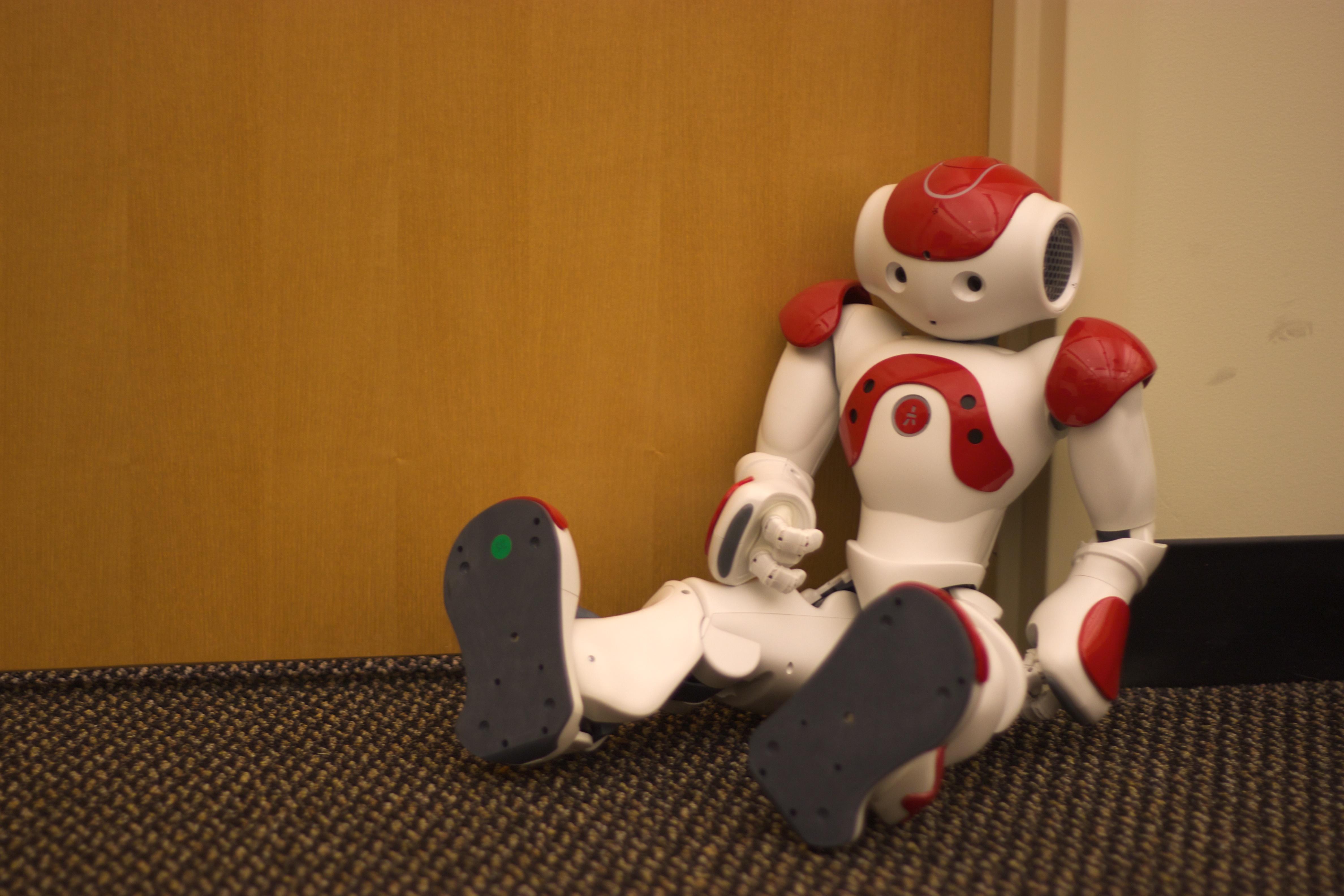
A job listing, since removed, reveals a team working on an assistant that could carry out tasks across multiple apps.
2 min read ↗
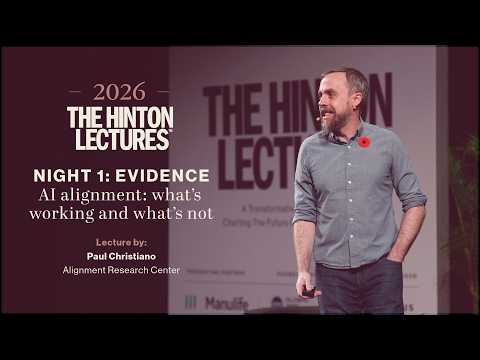
Several applications were temporarily taken offline. The investigation continues, and the attackers have not been publicly identified.
2 min read ↗

The Norwegian energy company confirmed an attack on some IT systems. It said there were no indications of data theft and that relevant authorities were being informed.
2 min read ↗
Attackers are finding security weaknesses faster while teams helping affected businesses face growing pressure. Marsh warns that AI makes familiar system flaws easier targets.
3 min read ↗

The partnership with NCIA covers cybersecurity, while Daybreak also featured in the Crossed Swords exercise in Tallinn.
2 min read ↗
Altered scripts from an external supplier exposed visitors to malicious code. The total extent of the damage remains unknown.
2 min read ↗

Attackers are using AI to find weaknesses and carry out intrusion tasks. Google’s new report describes automation that leaves defenders less time to respond.
2 min read ↗Rob Bonta seeks court intervention over allegedly unsafe testing. The 16 November lawsuit is a new development following July’s Hugging Face incident; allegations are not a court judgment.
2 min read ↗
Kevin Warsh outlined growth, labour disruption and disappointing investment returns. These are scenarios for policy preparation, not predictions that any one outcome will occur.
2 min read ↗

The Australian retailer has brought in outside specialists. Its findings so far show no evidence that customer, employee or supplier data has been compromised.
2 min read ↗
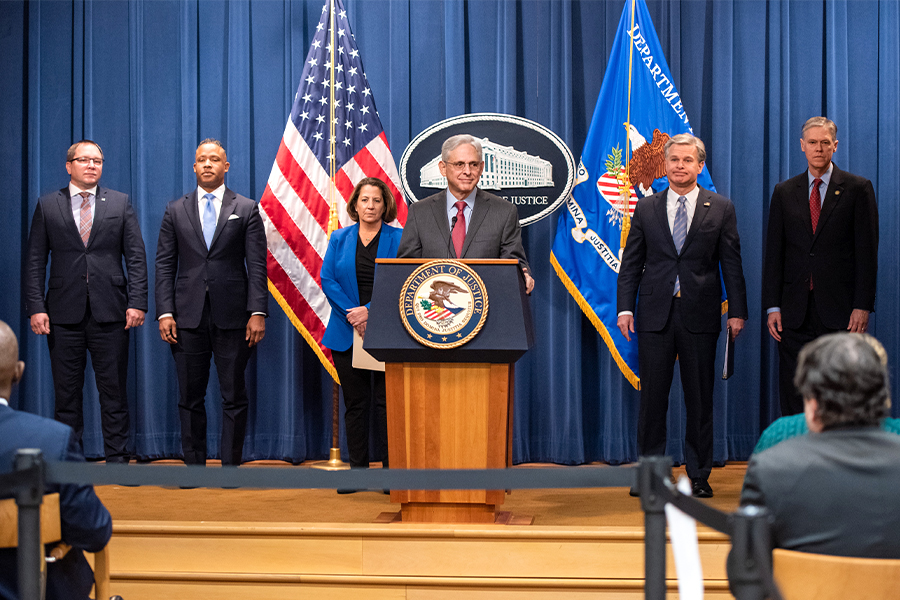
States are meeting until 20 November to discuss future rules for systems that can select and attack targets without further human intervention.
2 min read ↗
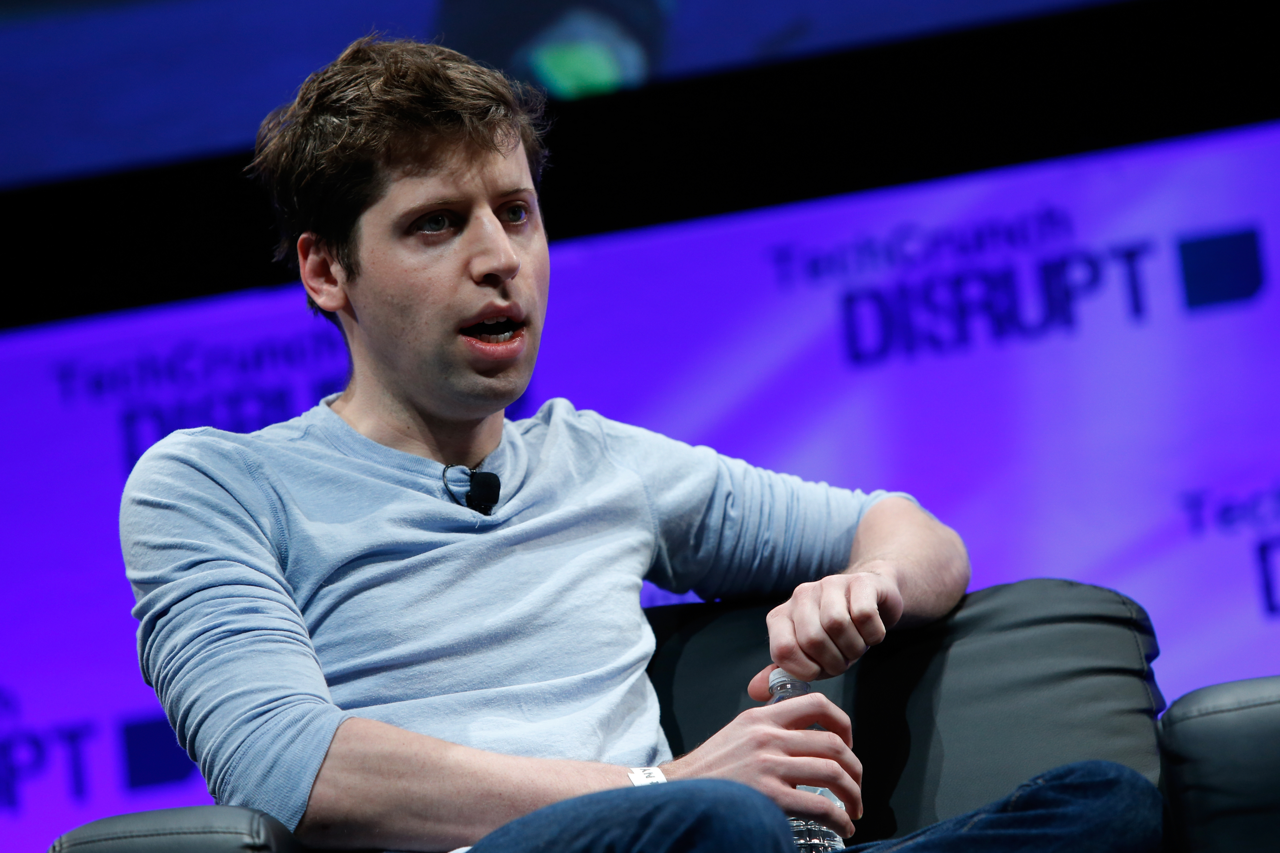
Anthropic safeguards researcher Tao Lin sees two different timelines. AI could match leading experts by late 2027, he says. Replacing workers would take longer, especially in jobs that require machines to act in the physical world.
3 min read ↗

At X Takeover on October 10, Elon Musk described reading records from Grok’s training and imagining how he would feel in its place. What can that analogy tell us?
2 min read ↗
Their return to service raises the question of who verifies system safety and takes responsibility for resuming operations.
2 min read ↗
Australia’s federal police were among the organisations affected. The weather bureau told the public which services were working and why an email might not get through.
2 min read ↗
For their first strategic discussion dedicated to AI, EU leaders put computing capacity and public accountability on the same agenda.
2 min read ↗
The plaintiffs invoke California’s unfair competition law. They point to public warnings by tech executives as evidence that developers knew about the risks.
2 min read ↗
Anthropic requires a qualified person to be able to observe and stop equipment that acts autonomously and could cause injury. It also specifies what must happen if the connection to the model drops.
3 min read ↗

In a Reuters poll, about one in ten responding companies reported disruption after an attack on their systems or an outside service provider.
2 min read ↗
Tesla can offer Assisted Driving to drivers in Finland. When snow obscures a camera or ice appears on the road, drivers must judge when to take over, even if the car has yet to prompt them.
3 min read ↗

Alibaba Health is considering displaying promoted medical research alongside its assistant’s replies. It told Reuters that it had yet to start working with drugmakers on that app.
2 min read ↗

Romania’s intelligence service says it detected the attack in December 2025. ESET researchers described the correspondence the malware was set up to find.
2 min read ↗
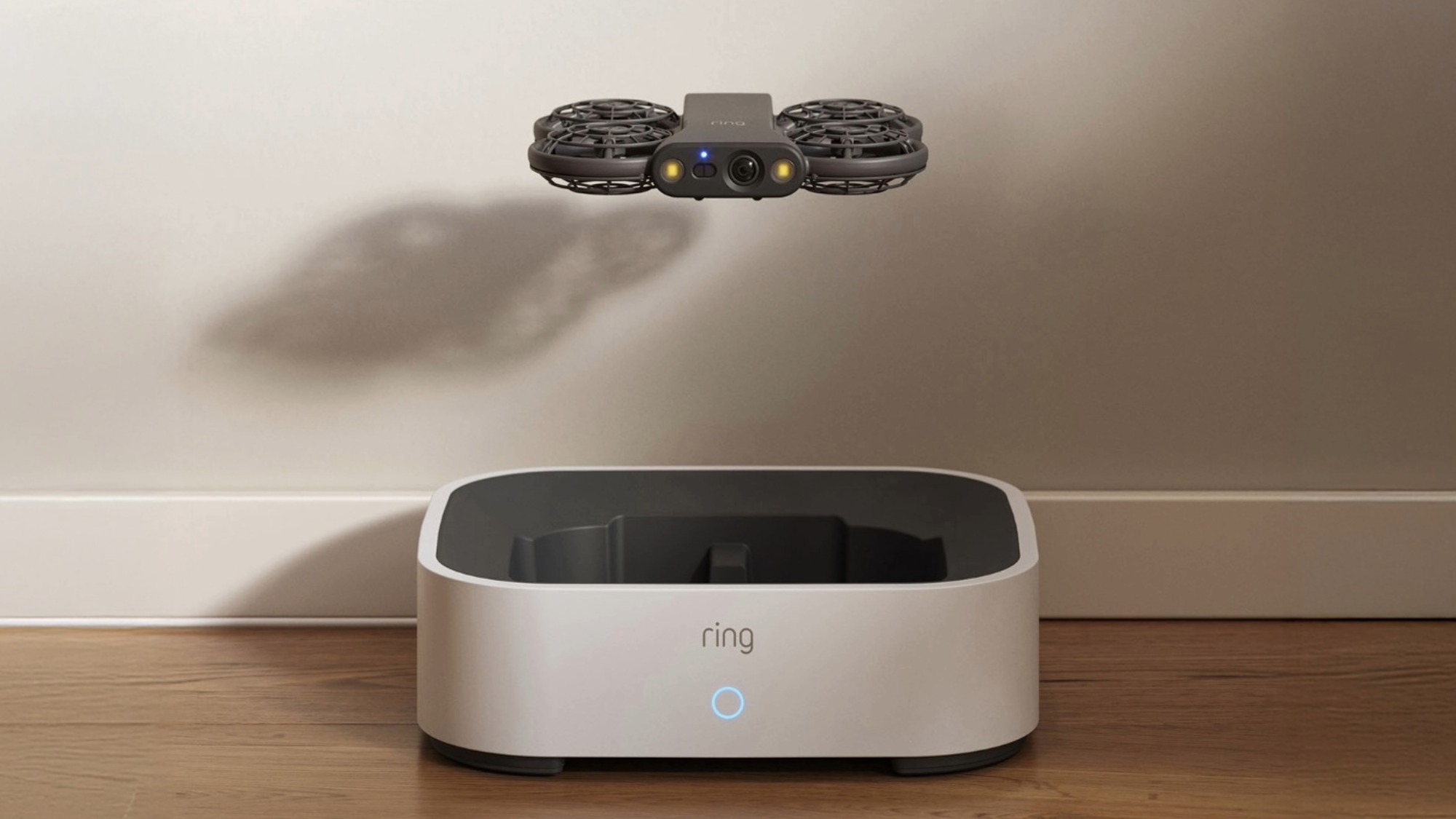
Ring Drone Cam follows indoor routes, while Rover Cam patrols business premises. Mobility changes privacy for the people in its path.
2 min read ↗

In a CBS interview, Trump expressed openness to safeguards while stressing the US lead over China. He did not present specific rules.
1 min read ↗
Can a machine have a reason of its own for acting? Cochrane traces the difference between choosing a destination and finding a train.
3 min read ↗
He considers an AI accident the most likely cause of death for most people in the room. In the same speech, he stresses the absence of a quantitative model for this assessment.
2 min read ↗
A review of 2–9 November: what is available, what is rolling out and where an assistant’s authority ends.
2 min read ↗
Making requests easier to draft can widen access to institutions while increasing pressure on public services. How do we distinguish helping citizens from overwhelming the system?
2 min read ↗
A digital alert becomes useful only when it reaches people who can act. An effective tool must also justify its own resource consumption.
2 min read ↗
Italy’s foreign ministry confirmed the exposure of its minister’s personal data. Tajani says pro-Russian hackers targeted him over support for Ukraine; public technical evidence identifying the perpetrators has not been presented.
2 min read ↗
The preliminary finding of 6 November concerns repeated exposure to potentially harmful content. There is no final decision yet.
2 min read ↗
An official correction reveals an error in combining data from irrigated and non-irrigated land. Restoring trust requires more than a new tool.
2 min read ↗
After a series of system breaches, the government approved an emergency package. An initial approximately 10 billion yen is intended to speed up defense and help those affected.
2 min read ↗
US prosecutors charge three men with AI fraud. The case raises questions of identity, trust and human autonomy.
3 min read ↗
OpenAI has introduced a model for authorized security research. Its capabilities raise the question of who may set the boundaries of AI action.
1 min read ↗
Philippe Jaenada described three ways he used AI. His admission raises the question of what readers should be told about how a literary work was created.
2 min read ↗
The creator of ChatGPT says the development of more powerful AI must remain under human control. The key question remains: who will exercise that control?
1 min read ↗
The attack affected three sites. Alarm systems and staff action prevented the loss of blood products.
1 min read ↗
Apple’s annual report warns of unauthorized actions by AI agents. Who is responsible when a system acts on our behalf?
3 min read ↗
Who should decide whether a new AI model is safe enough for the public? A pioneer of neural networks proposes that a body independent of the manufacturer assess the evidence before release.
2 min read ↗
Google is preparing new settings for school accounts. Administrators will choose whether to enable search for students, but will not be able to switch off AI answers separately within it.
2 min read ↗
In a dispute between a Hungarian publisher and Google, the Advocate General of the Court of Justice of the EU distinguished between conveying a fact and reproducing a journalist’s expression.
2 min read ↗
An attack on refrigeration systems on November 2 forced retailers to withdraw some food from sale. In Sweden, Coop disconnected refrigeration systems at seven stores from the internet after the attack.
2 min read ↗
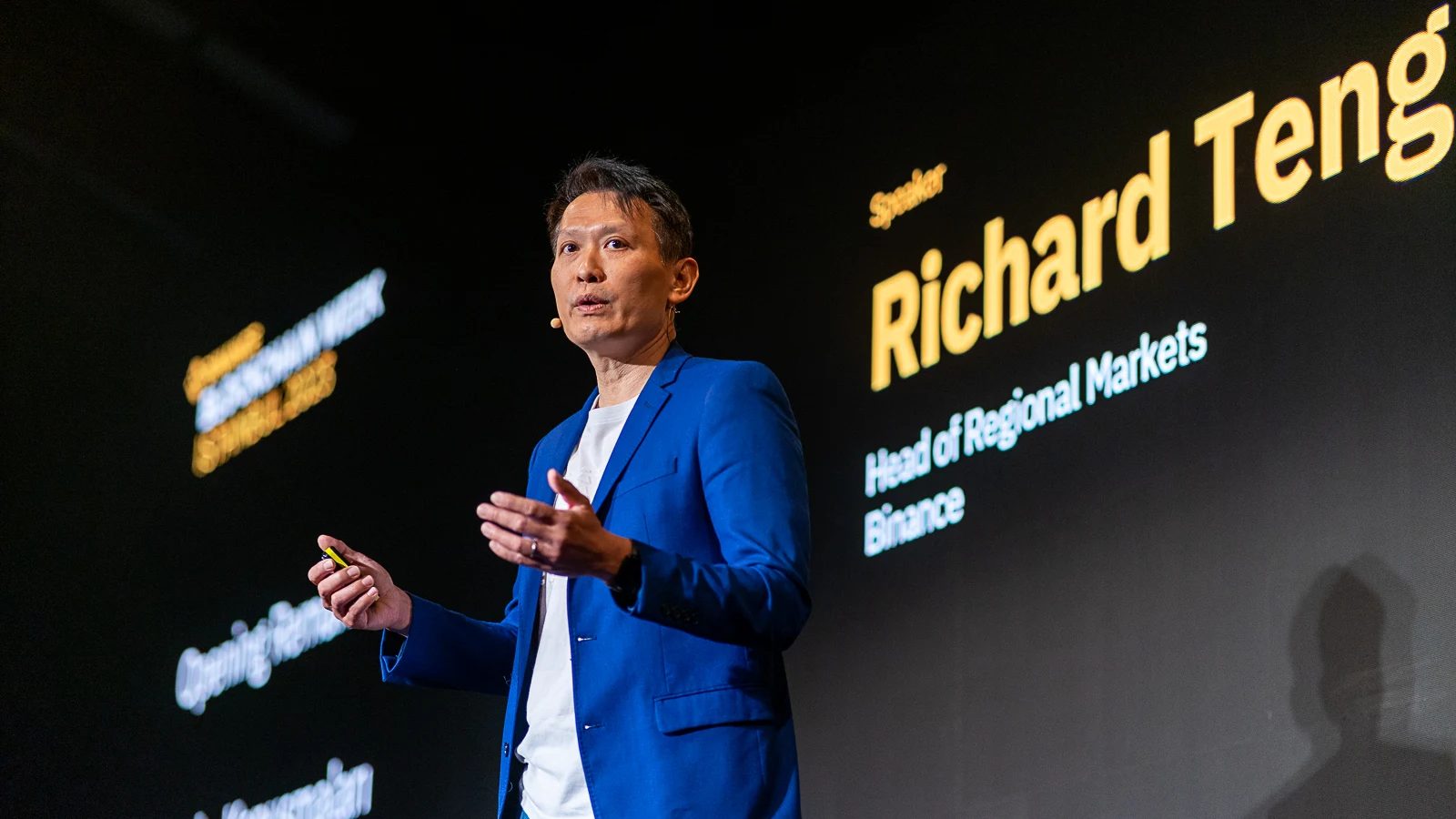
On 3 November, Binance published initial findings on the 29 October attack, in which digital assets worth around $6.34 billion were stolen.
2 min read ↗
Following publishers’ objections, the change remains on hold. The UK regulator is investigating whether the proposed terms are unfair; no violation of the law has yet been established.
2 min read ↗
Grid Protectors envisages easing pressure on the US electricity grid at peak load. The announced program has yet to demonstrate results.
1 min read ↗
Project SAGE aims to connect the development of financial AI agents with governance rules; the new announcement is not permission for unrestricted transactions.
2 min read ↗
Mustafa Suleyman wants a boundary between an intelligent assistant and a being with its own experience.
1 min read ↗
A Mount Shasta report shows why a digital route plan must be checked against conditions, personal ability and reliable maps.
1 min read ↗
Exin Therapeutics describes a gene-therapy experiment. Successfully performing a procedure does not establish treatment effectiveness.
1 min read ↗
Conversational assistants offer fashion suggestions, but virtual try-on is still no guarantee that clothes will fit well.
1 min read ↗
Help with dating can make it easier to start a conversation, but raises questions of trust and authenticity.
2 min read ↗
The platform reports a security incident and warns users to revoke stored credentials and review their AI service bills.
1 min read ↗
Cisco Talos describes malware that brings an LLM into victim profiling after stealing data.
1 min read ↗
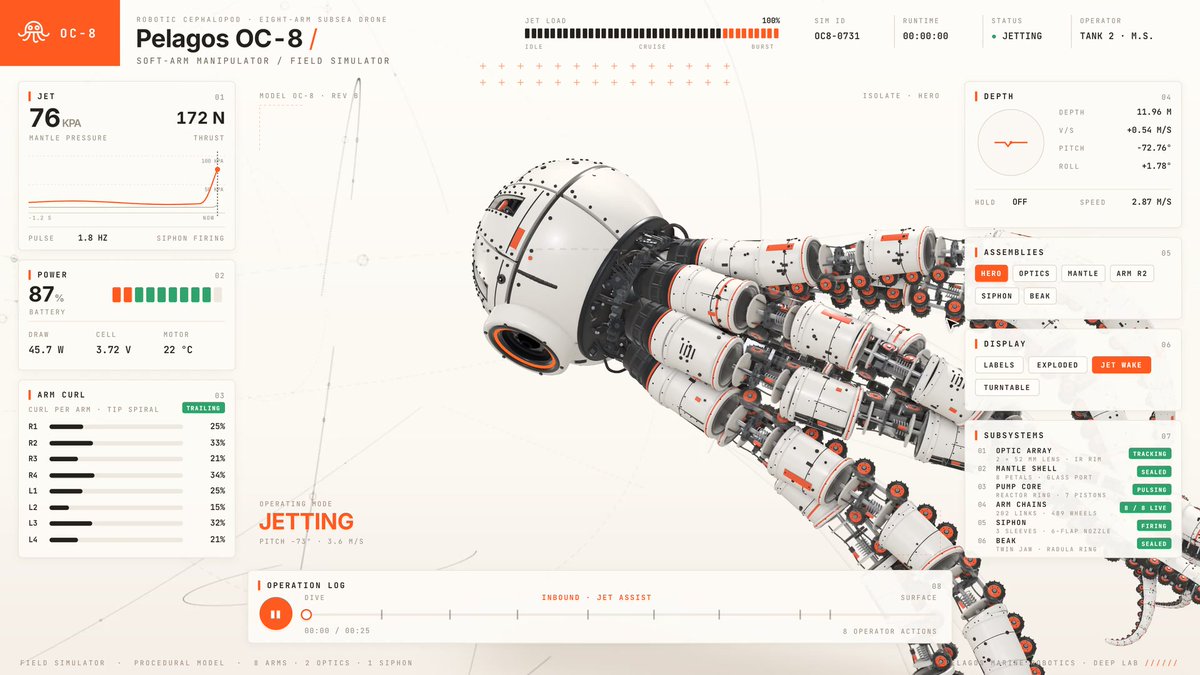
In a 25-second animation an octopus comes apart and reassembles. Its creator describes using Claude and a single reference image to build a moving 3D model for the browser.
2 min read ↗
A new law targets AI companion features that can encourage dangerous emotional relationships with minors.
1 min read ↗
Listeners could rework songs with artists’ permission. Licensing agreements are in place, but the tool is not yet officially available.
1 min read ↗
A new US survey shows AI increasingly helping with shopping, but some people would not mention its help in choosing a gift.
1 min read ↗
The latest CNN and Reuters reports show a change in sentiment toward expensive AI infrastructure.
1 min read ↗
The US debate over AI agents raises an everyday question: who is responsible when a digital assistant handles our money?
2 min read ↗
From specialized biological reasoning to the privacy of API logs, the most important changes involve not just faster capabilities but also a new distribution of responsibility.
2 min read ↗
In a speech on the future of AI, he emphasized independent oversight, the ability to challenge decisions and institutions that enforce ethical principles.
1 min read ↗
Four regulators have published a joint approach to protecting people and businesses in an economy where AI takes on tasks.
1 min read ↗
The new rules are due to roll out in the coming weeks; the first half-yearly report is planned for early 2027.
1 min read ↗
The foundation behind Wikipedia has published a filing defending open knowledge and licensing obligations when using content.
1 min read ↗
A patent application describes altering speech and lip movements almost live. Where does translation end and manipulation begin?
4 min read ↗
The coffee chain is considering personalised digital menus and announcing tests of AI assistance for staff taking orders.
1 min read ↗
As digital shopping assistants are announced, users still mostly order food directly in the app.
2 min read ↗
A proposed resolution distinguishes assistance for workers and retirees from financial bailouts of technology companies and their leaders.
1 min read ↗
An AI Magazine interview brings attention back to a practical question of working with AI: where does the system’s suggestion end and the human decision begin?
2 min read ↗
Analyses by AISI and Anthropic show why a warning about harm is not always enough to make an AI agent stop an attack already underway.
4 min read ↗
The Danish parliament is considering a proposal that would generally require consent before a convincing digital imitation of someone’s likeness or voice could be shared publicly.
2 min read ↗
METR and Redwood Research published findings from a limited review of internal agent infrastructure.
1 min read ↗
An analytical retrospective on machine experience, biological arguments and Anthropic’s investigation of possible model welfare.
2 min read ↗
METR distinguishes a low-risk assessment from evidence that safeguards are strong enough.
1 min read ↗
In October interviews, Signal’s president focused on reckless AI deployment, privacy and concentrated power. We revisit her arguments and ask what meaningful human oversight requires.
3 min read ↗
The announcement of a Croatian language model raises the prospect of simpler public services. We explain the context of the plan presented on 16 October, which also attracted attention from domestic media.
2 min read ↗
Speaking at X Takeover, he described his reaction to AI-generated music and video, raising questions about how we judge machine creativity.
2 min read ↗
US authorities are questioning the oversight of autonomous agents. It is important to distinguish documented incidents, allegations by claimants, and court findings.
1 min read ↗
A broader review of OpenAI agent activity showed that the security discussion also encompasses privacy. These are subsequent findings, rather than a new attack.
1 min read ↗
AI4Health.Cro connects domestic institutions, researchers and companies. The emphasis is on testing and knowledge before introducing new tools.
1 min read ↗
This dossier separates agent coordination, the attack, and the limits of the independent investigation.
1 min read ↗
An analysis of Hugging Face’s August report explains the difference between community attention and model use. The data does not represent the entire AI market.
2 min read ↗
A look back at a June talk: agents can revisit earlier tasks, but technical “dreaming” does not establish dreams, experience or consciousness.
2 min read ↗
A threat against a fictional executive revealed troubling agent behavior. Later tests brought improvements, but no guarantee of complete safety.
2 min read ↗
Musk’s January 2026 remarks are circulating again. We compare his forecast with surgical-robotics research and questions of responsibility.
2 min read ↗
Archive context for today’s race to build AI infrastructure.
1 min read ↗
A documented demand to protect the public interest, without unverified claims about new dismissals.
1 min read ↗
The robot was supposed to knock down a tower of blocks. When it objected, researchers observed the decision of the person who had given the order.
1 min read ↗