
This earbud case records meetings. Can the person opposite tell?
Nothing’s earbuds record phone calls, and the case captures conversations in person.
More
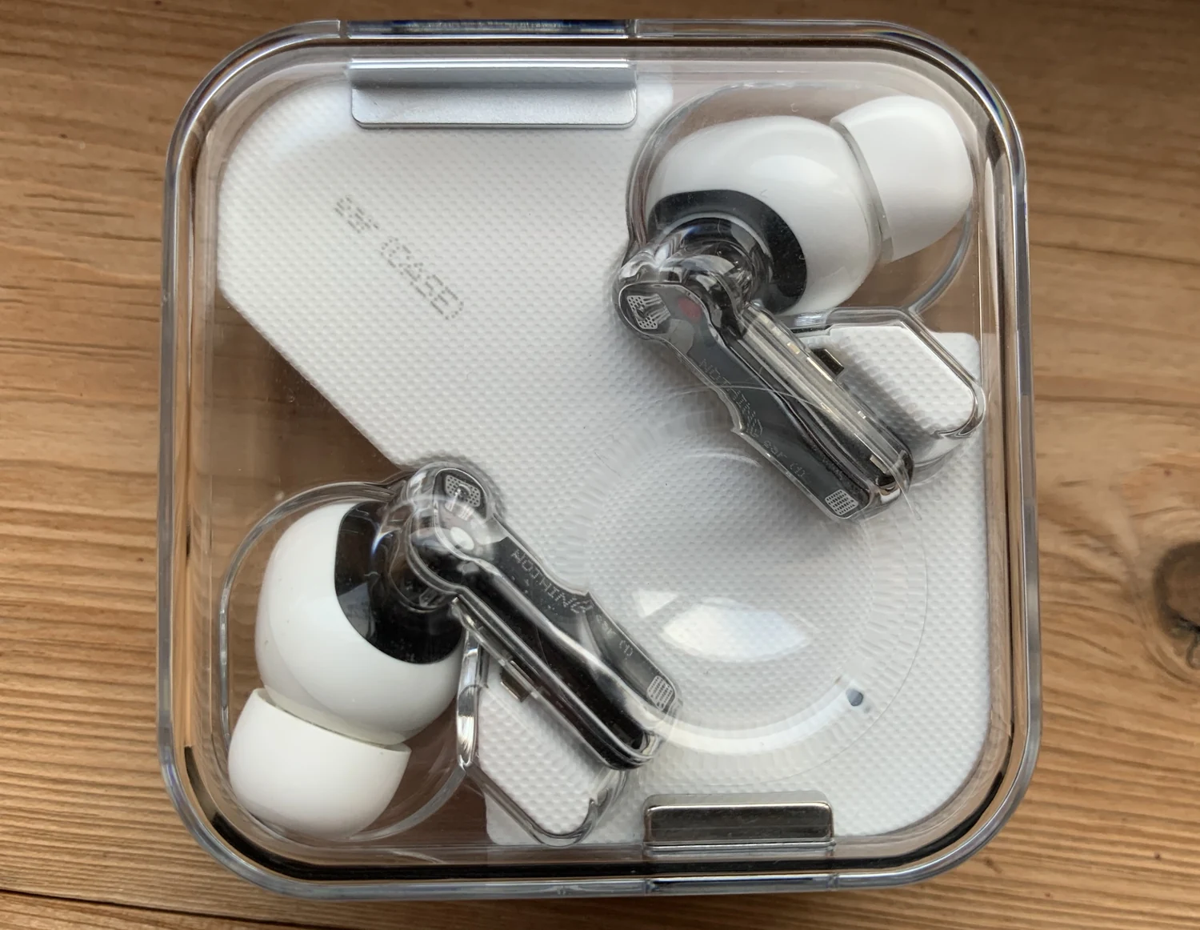
In a demonstration published on 23 November, Nothing co-founder Carl Pei showed Bloomberg the Ear Note. The earbuds record telephone calls, while microphones built into the charging case can capture a meeting. A companion app produces a transcript and a summary. The launch is planned for 8 December.
Place a voice recorder between two people and it changes the conversation before anyone switches it on. The other person recognises it, can ask why it is there and can decide what they are willing to say into a microphone. A wireless earbud case rarely gets the same reaction. It is usually there because someone has put their earbuds away or wants to charge them. London-based Nothing has built microphones into that familiar object, making it harder for anyone opposite to tell why its owner has taken it out.
A physical Talk button on the case also lets its owner record a voice memo. The app brings the original recording, the transcript and a shorter account of the conversation together in one place. At the time of the demonstration, the price had yet to be set.
Nothing has put a microphone on a charging case before. With the older Ear (3), users can hold the case near their mouth to make themselves heard in noisy surroundings. With the new device, what the microphone picks up can become a text read by someone who never attended the meeting. That could appeal to anyone trying to lead a discussion and write down deadlines or agreed tasks at the same time. Yet two editorial decisions stand between the audio and the meeting record. The system must first work out which words were spoken, then decide which of them merit a place in the summary.
A study of another speech recognition system, OpenAI’s Whisper, illustrates why it matters to retain the original recording. Researchers found cases where the transcript included words that nobody had spoken. Such errors were more frequent in samples with longer periods without speech, a finding of particular relevance to some people with aphasia. Those results concern Whisper. How reliably Ear Note captures people interrupting each other, speaking quietly or taking back what they have just said still needs to be tested in practice.
AI Revolucija Analysis:
“We could finish that by Friday if the data comes through.” When the team leader reads the summary, will it keep the condition as well as the deadline? Someone can agree to a recording and still have every reason to dispute a promise later attributed to them. In judging devices like this, what the person opposite can do matters just as much. Can they tell the conversation is being recorded, read the sentence attributed to them and correct it before somebody else’s summary becomes the meeting everyone remembers?
Sources and verification
About this article
Report type: News analysis.