
FinCEN cyber incident disrupts services and pushes back financial reporting deadlines
Some systems were taken offline as investigators examined the scope of unauthorized access.
More
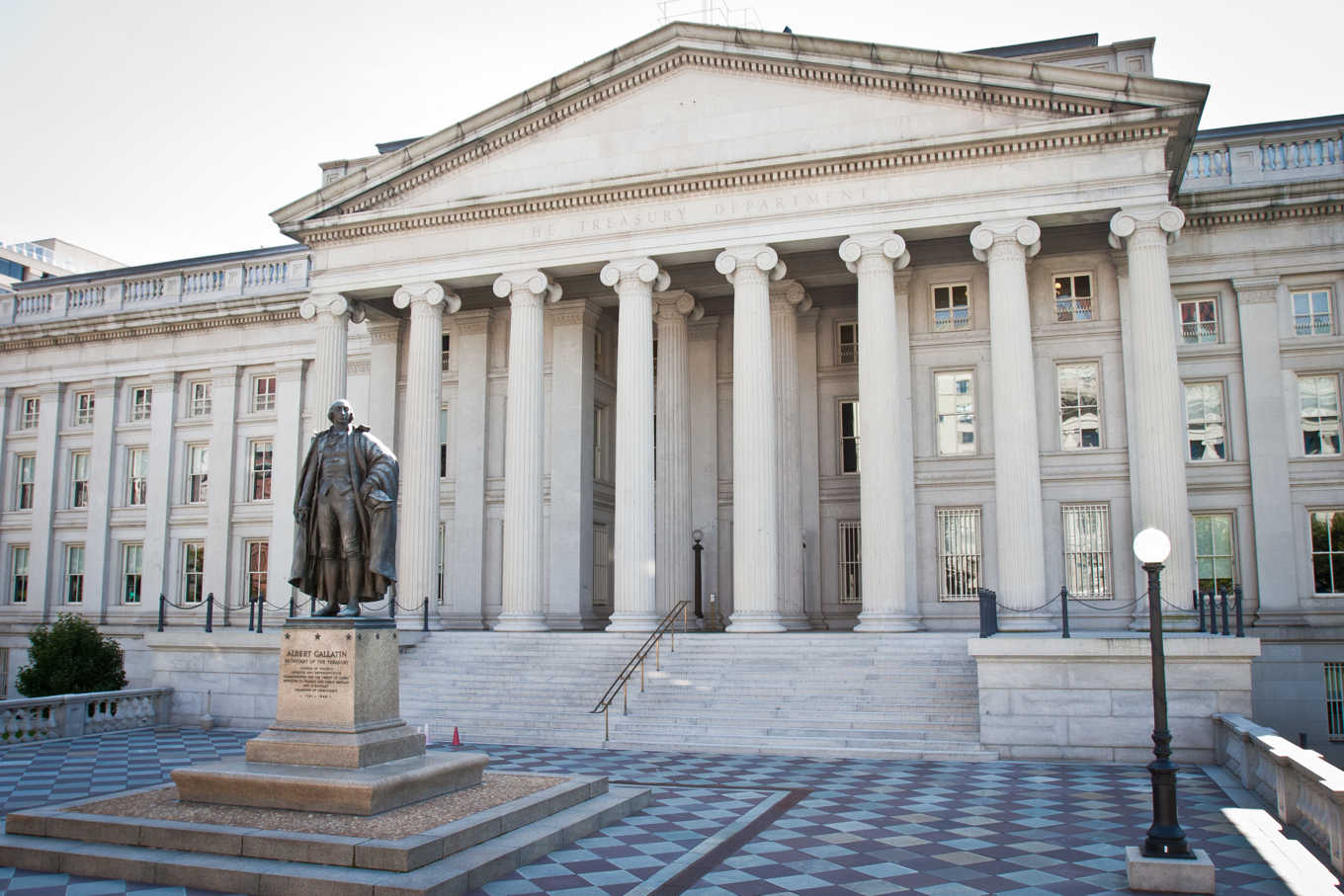
The US Financial Crimes Enforcement Network took some computer systems offline after unauthorized access, a FinCEN official told Reuters on 25 November 2026. The Treasury bureau is investigating with the FBI, CISA and external forensic specialists. Reporting organizations already face a practical consequence: disruption has prompted extensions to certain filing deadlines.
FinCEN is not a bank holding people’s accounts. It uses financial intelligence to combat money laundering, terrorism financing and other illicit activity. The issue therefore extends beyond whether a website opens. Information needed to detect financial crime must be able to reach authorized recipients in time for them to act.
An agency alert reported by ABC News said the BSA E-Filing website remained operational, although some services could be temporarily unavailable. For a bank employee submitting a report, that distinction matters: an accessible homepage does not itself establish that the submission process works. The alert did not describe a complete shutdown.
An order issued on 24 November moves certain deadlines falling between 18 November and 29 December to 30 December. It covers financial institutions using Secure Data Transfer Mode on 18 November, and certain beneficial-ownership filings and FinCEN identifier updates. Other obligations, including monitoring suspicious transactions, remain. The 18 November date defines the relief’s scope; it is not a confirmed attack date.
In Reuters’ corrected report, a person familiar with the matter said there was no evidence so far of a breach of Bank Secrecy Act reporting or beneficial-ownership databases. This was not a finding attributed to a named investigator. Forensic work continues; the assessment is not a final assurance that all information is safe.
For readers in Croatia, this is not an announcement of changes to domestic banking rules. The US order concerns specified obligations to FinCEN. The broader lesson travels further: a digital channel can become a bottleneck while the duty to collect and monitor information continues. These reports do not establish the attacker’s identity or the use of artificial intelligence. The incident should therefore not be presented as evidence of an AI-driven attack.
AI Revolucija Analysis:
NIST’s technical framework distinguishes confidentiality, integrity and availability. That distinction has an immediate human consequence here: a reporting officer can lose a reliable channel before investigators establish whether protected information was read. Extending a deadline eases one problem but does not, by itself, restore a working service. Our editorial conclusion is therefore not that disruption proves theft. Financial oversight must also be judged by its capacity to continue operating securely. Someone fulfilling their obligations should not have to bear the burden of an unexplained technical interruption.
Philosopher Helen Nissenbaum understands privacy through contextual integrity: information should flow according to the rules of the context in which it was gathered. Applied here, a legal requirement to send financial information to a regulator is not permission for any other actor to receive it. An institution demanding data consequently has a particular responsibility to explain what happened, what it knows and when it expects to know more. Restoring trust requires more than bringing a service back online. It requires demonstrable protection for the people whose information is held there and who often cannot choose whether it is collected.
The investigation is ongoing. The identity of those responsible and the extent of any access to data remain unknown.
Sources and verification
- FinCEN, Order FIN-2026-R002, 24. 11. 2026. ↗
- Reuters · 25. 11. 2026. ↗
- ABC News, 25. 11. 2026. ↗
- FinCEN — službena misija; provjereno 26. 11. 2026. ↗
- NIST — Information security, pojmovnik; provjereno 26. 11. 2026. ↗
- Helen Nissenbaum, Privacy as Contextual Integrity, Washington Law Review 79, 119 (2004) ↗
About this article
Report type: CYBERSECURITY.