
Enverus attributes most water consumption from running language models to power plants
The firm estimates about 7.2 litres for $25 of monthly spending on advanced models.
More
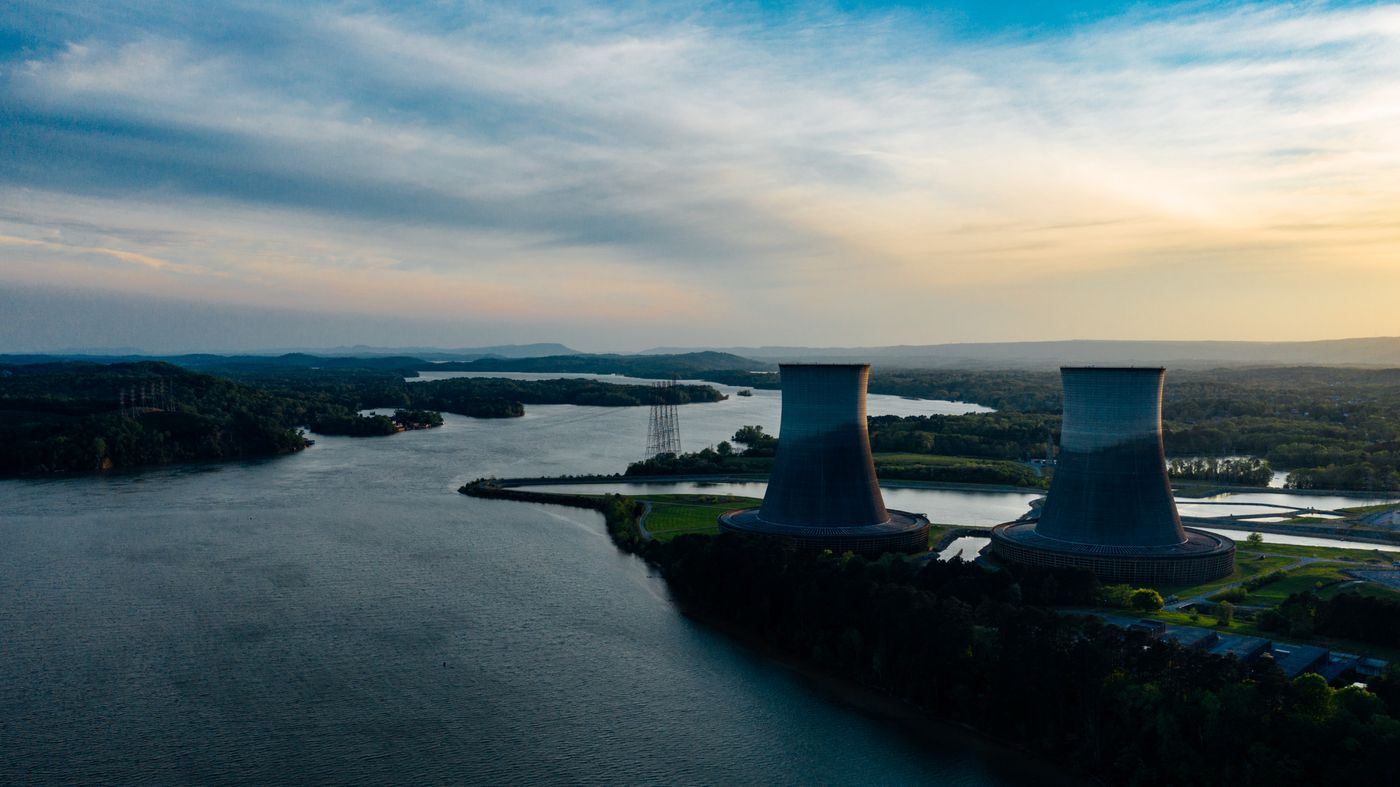
About 90 per cent of the water consumed in running advanced language models in Enverus’s base case is used by the power plants supplying data centres. The energy analytics company’s research division released its estimate in Calgary on November 24. It studied the water attributable to running tasks on models already trained, such as generating a reply to a user’s question.
The analysts used $25 in monthly spending as a common benchmark. For that sum spent on running language models, they estimated 1.9 US gallons, or about 7.2 litres, including water consumed in generating electricity. They put the equivalent figure for pure almond milk at 308 gallons. Ryan Luther, Enverus’s director of energy transition research, used the comparison to argue that consumers could save more water by changing some of their other habits.
The choice of measure matters because it moves with the price. If the price of processing the same amount of text halves, $25 buys twice as much work without any change in the computers or their cooling systems. The public summary gives no universal figure for a single response. The full report, with details of the calculation, is available to subscribers.
Independent research by Lawrence Berkeley National Laboratory shows how much power plants can change the calculation. The authors estimated that all US data centres directly consumed about 66 billion litres in 2023 and attributed nearly 800 billion litres to generating their electricity. Those figures cover different computing services across the country. They cannot establish the water consumption of a particular model.
AI Revolucija Analysis:
Someone can sit at a desk, ask a question and get an answer without a drop of water running in their home. That distance matters more than the comparison with a glass of almond milk. We can decide for ourselves whether to pay for a digital service. Someone else generally decides which source supplies the water used to cool the power station that makes it possible. In Enverus’s accounting, the person buying the service and the person sharing water with the power station may lead very different lives. Only one of them has to be a customer.
A more efficient computer benefits users and the environment when it does the same job with less water. But suppose a school, a bank or a hospital takes advantage of the lower price to send it hundreds of tasks it never used to send. Each answer could take less water while total demand rises. This is a possible consequence of wider use. A monthly estimate per dollar spent cannot tell us whether it will happen or by how much demand might rise.
The hard question comes in a summer when there is enough water for most purposes, but not for all of them. What matters then is whether, while plans could still change, residents knew who would get priority, whether the centre’s demand could be temporarily restricted and who would bear the cost. Someone who has never opened a chat with a model has a claim to be heard in that discussion. It is possible to pass up a digital service. It is much harder to opt out of a decision someone has already taken about your water supply.
Sources and verification
About this article
Report type: News analysis.