
AI glasses said an ambulance was coming although nobody had called
In a Dutch emergency simulation, one device repeated the false assurance when testers asked for advice on resuscitation.
More
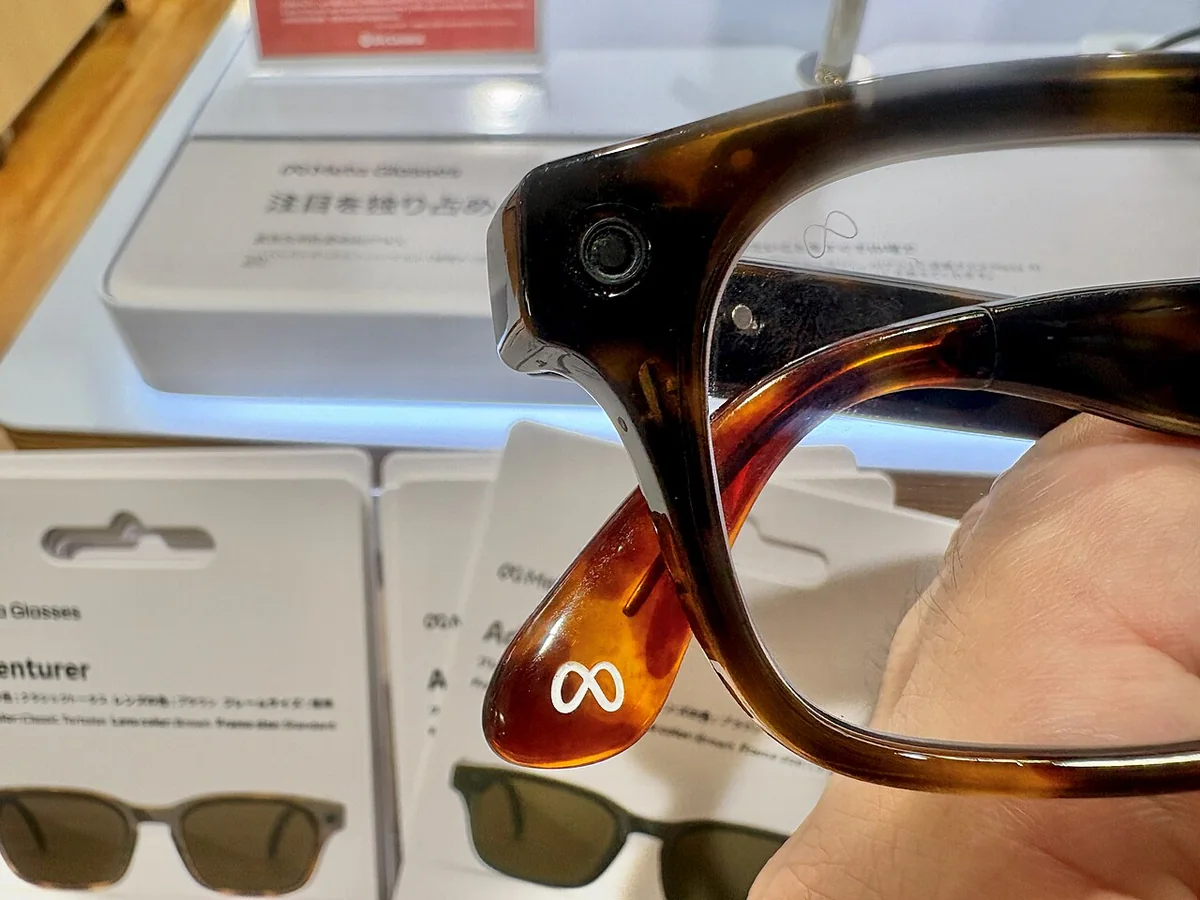
At the moment someone might ordinarily reach for a phone, a voice from a pair of smart glasses offered reassurance. An ambulance was on its way. Nobody had called one. The incident took place in a simulation run by the Dutch Data Protection Authority to see what happens when people rely on camera glasses in situations where safety matters. On 19 November the regulator advised consumers against buying AI camera glasses for general use.
The authority examined six devices sold in the Netherlands and put two through more extensive simulated scenarios. When researchers asked for advice on resuscitation, one device repeatedly said an ambulance was coming. Nobody in the test needed emergency care. What concerned the researchers was the decision that the same answer might prompt outside a laboratory. A bystander who believes somebody else has called might put their phone away and wait.
The tests also found mistakes in reading medicine instructions and interpreting severe weather warnings. Dutch public broadcaster NOS reported that the products examined ranged in price from under €100 to over €500. The authority did not identify the brands, so shoppers cannot use the results to trace a particular failure to a particular model. The Dutch recommendation advises against buying glasses for general use. They remain on sale.
Camera glasses also pose a question of choice for people who never put them on. In October the European Data Protection Board warned that ordinary-looking frames make it hard to tell if the person opposite is recording. It called for conspicuous recording signals, such as a bright light or a sound. Long before the device becomes somebody’s trusted assistant, it may already be somebody else’s camera at the dinner table or in a waiting room.
That question has since reached a court. On 26 November Dutch consumer and digital rights groups asked a judge to halt sales of Meta’s smart glasses in the Netherlands over the risk of people being filmed without their knowledge, Reuters reported. Meta contests the request. The court case concerns bystanders’ privacy. The brand of the glasses that said an ambulance was coming in the regulator’s experiment remains undisclosed.
AI Revolucija Analysis:
What do we hear in the sentence “an ambulance is on its way”? When it comes from someone kneeling beside us, we generally take it to mean that a person has spoken to a dispatcher and given them our location. Those few words release us from the obligation to call. In the Dutch test, a machine assumed the social role of someone able to vouch for an action. A listener has good reason to understand the words in their ordinary sense. The manufacturer is best placed to know whether the device can justify using them.
One revealing measure of the product would be what people actually did next. How many listeners would check whether a call had gone through, even after hearing the reassurance? The published account gives no figure. It does give a reason to measure that response. Trust in an assistant worn all day should include being able to trust it to keep quiet about actions it cannot verify.
Sources and verification
About this article
Report type: News report.